Clay powder conveying systems are critical components in industrial processes that handle clay materials, ensuring efficient and safe transportation of these powders from one location to another. These systems are designed to address the unique challenges associated with clay, such as its tendency to stick to surfaces, variable moisture content, and the need for dust control. The operation and working principles of such systems are essential for optimizing productivity and maintaining operational safety in various industries, including ceramics, construction, and chemical manufacturing.
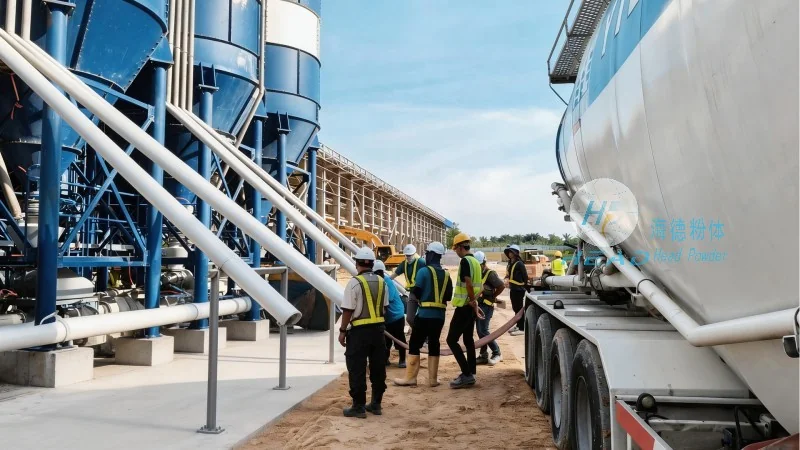
System Overview and Key Components
Shandong HeadPowder Engineering Co., Ltd., a leading provider of specialized powder handling solutions, develops and implements clay powder conveying systems tailored to the specific needs of clients. The core components of a typical clay powder conveying system include a feeding unit, conveying equipment (such as pneumatic or mechanical conveyors), a control panel, and a dust collection system. The feeding unit is responsible for introducing the clay powder into the system, while the conveying equipment transports it through the pipeline. The control panel monitors and regulates the system's operation, ensuring consistent flow rates and preventing overloading. The dust collection system, often integrated with the conveying process, captures and filters airborne particles to maintain a clean and safe working environment.
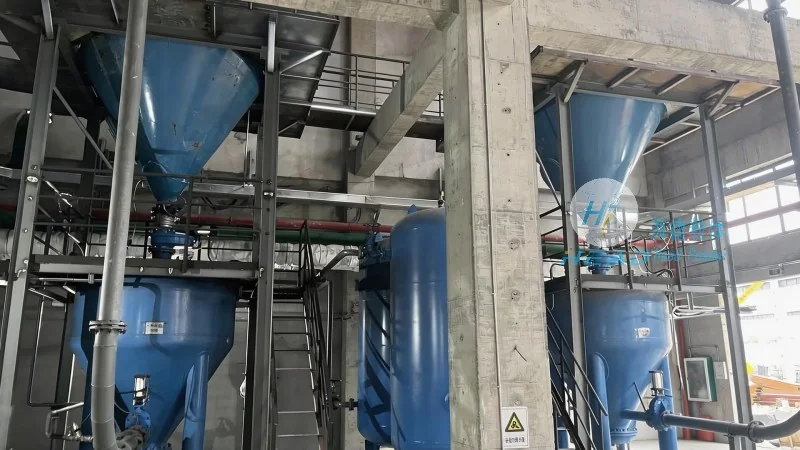
Operation Process: Step-by-Step Guide
The operation of a clay powder conveying system typically follows a structured sequence to ensure smooth and reliable performance. Before initiating the system, all components are inspected for proper alignment and functionality. The feeding unit is activated first, feeding the clay powder into the conveyor. Simultaneously, the control panel adjusts the system parameters, such as pressure and flow rate, based on the material characteristics and desired output. The conveying equipment then transports the powder through the pipeline, with real-time monitoring of pressure and flow to detect any anomalies. During operation, operators continuously check for signs of blockages or inefficiencies, addressing them promptly to maintain optimal performance. The system runs until the required amount of clay powder has been conveyed, after which the feeding unit is stopped, and the conveying equipment is gradually shut down. The control panel ensures a safe and controlled shutdown, preventing sudden pressure changes or material spillage.
Working Principle: How the System Transports Clay Powder
The working principle of a clay powder conveying system relies on the specific properties of clay and the chosen conveying method. For example, pneumatic conveying systems use compressed air to create a flow that carries the powder through the pipeline. The air pressure is carefully controlled to match the density and particle size of the clay, ensuring efficient transport without causing excessive wear on the equipment. Mechanical conveyors, such as screw or belt conveyors, rely on mechanical force to move the powder. These systems are particularly effective for handling clay with higher moisture content or larger particle sizes, as they can handle the material's stickiness and bulk density. The system's design also incorporates features to prevent clogging, such as agitators or vibration mechanisms, which help maintain the flow of the powder. Additionally, the dust collection system works in tandem with the conveying process, using filters and cyclones to capture fine particles and return them to the system or dispose of them safely, thereby minimizing environmental impact and maintaining compliance with safety regulations.
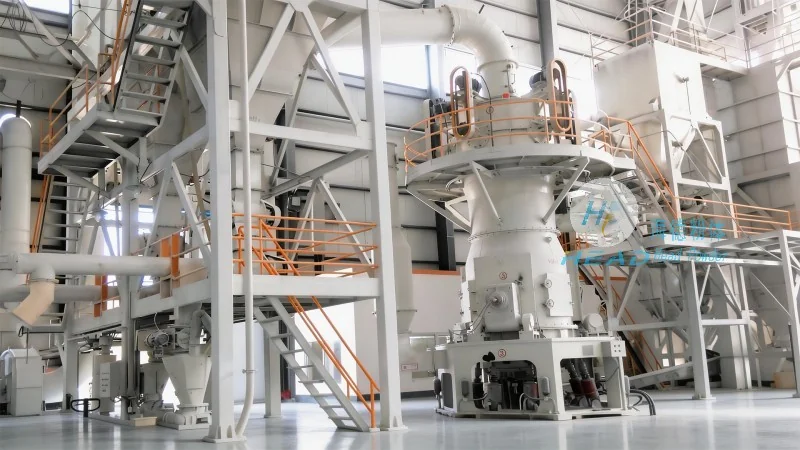
Benefits and Applications of Clay Powder Conveying Systems
Implementing a clay powder conveying system offers numerous benefits for industrial operations. These systems enhance productivity by reducing manual handling and minimizing downtime due to material blockages. They also improve safety by containing dust and preventing exposure to airborne particles, which can be harmful to workers. The efficient transportation of clay powder allows for better process control, as the material is delivered in a consistent and controlled manner to downstream processes, such as mixing or molding. Shandong HeadPowder Engineering Co., Ltd. specializes in customizing these systems to meet the unique requirements of various industries, ensuring that clients can achieve optimal performance and cost-effectiveness. The company's expertise in powder handling technology enables the development of systems that are robust, reliable, and tailored to the specific characteristics of clay materials, making them an essential investment for businesses operating in the ceramics, construction, and chemical sectors.




