Styrene powder handling systems are critical components in industrial applications, particularly for the efficient and safe transport of styrene powder. This document provides a detailed overview of the operation process and working principles of such systems, highlighting the key mechanisms and components involved in their functionality. Developed by Shandong HeadPowder Engineering Co., Ltd., a leading provider of powder handling solutions, these systems are designed to meet the demanding requirements of modern industrial processes.
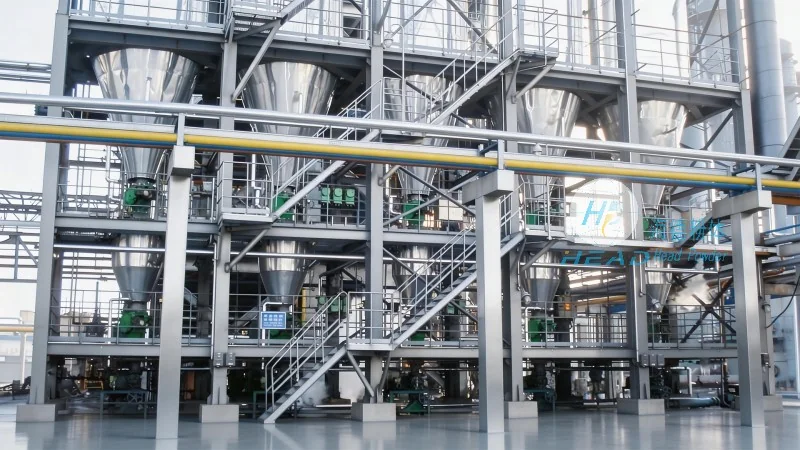
Key Components of the Styrene Powder Handling System
The styrene powder handling system typically consists of several essential components that work in tandem to ensure smooth material transport. These include a hopper for material storage, a feeder or rotary valve for controlled discharge, a pneumatic conveyor system for material transport, and a dust collection system to maintain air quality and safety. Each component plays a vital role in the overall performance and reliability of the system.
Working Principle of the System
The operation of the styrene powder handling system begins with the loading of styrene powder into the hopper. The powder is then fed into the system through a feeder, which regulates the flow rate to prevent overloading or underflow. The feeder may be a rotary valve or a screw feeder, depending on the system design, and it ensures a consistent and controlled supply of material to the conveyor. The conveyor system, often a pneumatic conveyor, uses compressed air to transport the powder through a pipeline. The air flow is carefully controlled to maintain an optimal velocity, which is crucial for preventing particle segregation, agglomeration, or blockages. The pneumatic conveyor may include multiple stages, such as a vertical lift section to elevate the powder to a higher level and horizontal sections to transport it horizontally over longer distances. The system also incorporates a dust collection unit, typically a baghouse or cyclone, to capture any fine particles that escape during the conveying process, ensuring compliance with environmental regulations and maintaining a safe working environment.
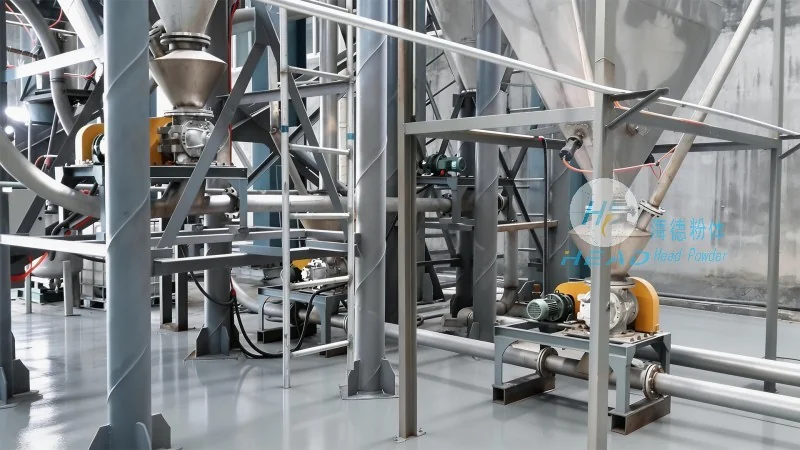
Operation Process Step-by-Step
The operation process of the styrene powder handling system can be broken down into several sequential steps:
1. Material Loading: Styrene powder is loaded into the hopper from a bulk storage or production line. The hopper is designed to hold a sufficient quantity of material to ensure continuous operation during the feeding process.
2. Feeder Operation: The feeder (rotary valve or screw feeder) starts to rotate or move, allowing the powder to flow from the hopper into the conveyor system. The speed of the feeder is controlled to match the required flow rate for the downstream processing or packaging.
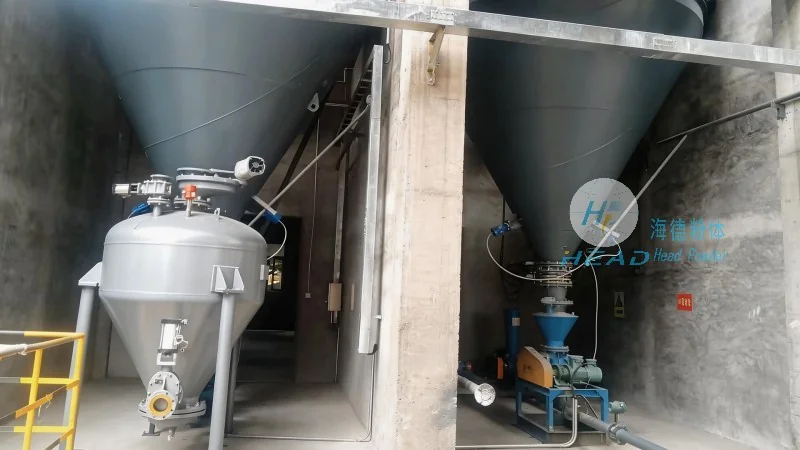
3. Pneumatic Conveying: The powder is introduced into the pneumatic conveyor, where compressed air is used to transport the material through the pipeline. The air velocity is maintained at an optimal level to prevent particle segregation or blockages. The conveyor system may include multiple sections, such as a vertical lift and horizontal transport, to cover the required distance and elevation changes.
4. Discharge and Collection: At the end of the conveyor, the powder is discharged into a collection bin or processing equipment. The dust collection system is activated to capture any fine particles that may have escaped during the conveying process, ensuring that the air leaving the system is clean and safe.
5. System Monitoring and Control: Modern styrene powder handling systems are equipped with sensors and control panels that monitor parameters such as pressure, flow rate, and temperature. These controls allow for real-time adjustments to maintain optimal operation and prevent issues like clogging or overpressure.
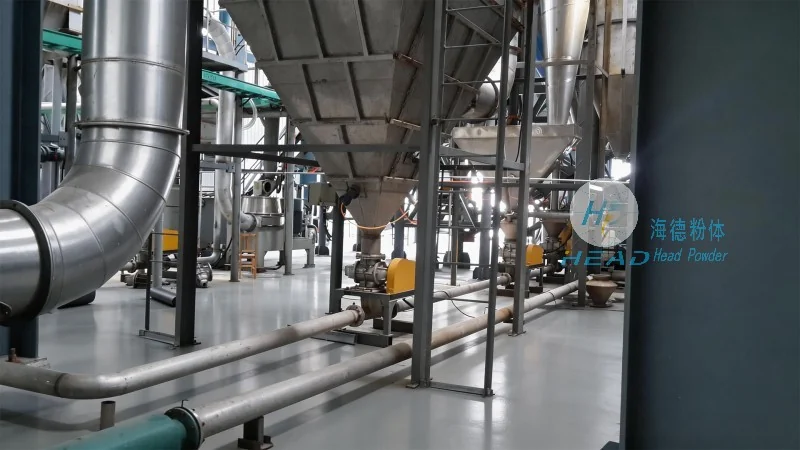
Advantages of the Styrene Powder Handling System
Implementing a well-designed styrene powder handling system offers several advantages for industrial operations. These include improved efficiency in material transport, reduced labor costs by automating the process, enhanced safety through enclosed systems and dust collection, and better product quality by minimizing contamination and segregation. The system also contributes to environmental compliance by controlling dust emissions and maintaining a clean working environment.
Conclusion
Styrene powder handling systems are essential for the efficient and safe management of styrene powder in industrial settings. By understanding the operation process and working principles, as outlined above, users can appreciate the complexity and importance of these systems in ensuring smooth material flow and operational reliability. For those seeking reliable solutions, Shandong HeadPowder Engineering Co., Ltd. provides high-quality systems tailored to meet specific industrial needs.




