The wood fiber powder conveying system is a critical component in industrial processing, particularly in the production of wood-based materials and related applications. It ensures the efficient and reliable transport of wood fiber powders from storage to processing units, maintaining consistent material flow and quality. This system is designed to handle the unique characteristics of wood fiber powders, such as their lightweight nature, potential for static charge, and varying moisture content, which can impact traditional conveying methods. By integrating advanced engineering principles and materials handling technologies, the system optimizes performance while minimizing operational risks.
Key Components of the Conveying System
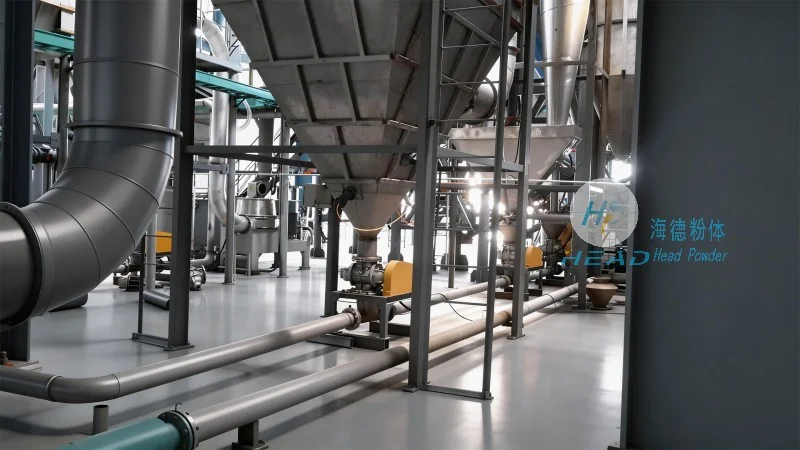
The wood fiber powder conveying system typically consists of several key components that work in tandem to achieve efficient material transport. These include a hopper or storage bin for raw wood fiber powder, a feeder mechanism to control the flow rate, a conveyor system (such as a screw conveyor, pneumatic conveyor, or belt conveyor) to move the powder, and a control system to monitor and adjust operations. Each component is selected based on the specific properties of the wood fiber powder and the requirements of the processing plant. For example, the feeder may use a rotary valve or a variable-speed auger to regulate the flow, ensuring a steady supply to the conveyor. The conveyor itself is often designed with non-stick surfaces or anti-static coatings to prevent powder buildup and maintain material integrity.
Operation Process of the Wood Fiber Powder Conveying System
The operation process of the wood fiber powder conveying system involves several sequential steps that ensure smooth and continuous material transport. First, the wood fiber powder is stored in the hopper, where it is kept in a controlled environment to prevent moisture absorption or degradation. The feeder then activates, drawing the powder from the hopper and feeding it into the conveyor system at a predetermined rate. The conveyor transports the powder to the processing unit, such as a mixer or extruder, where it is further processed. The control system continuously monitors parameters like flow rate, pressure, and temperature, adjusting the feeder speed or conveyor speed as needed to maintain optimal performance. This closed-loop control ensures that the system operates efficiently and reliably, minimizing downtime and maximizing productivity.
Working Principle of the Conveying System
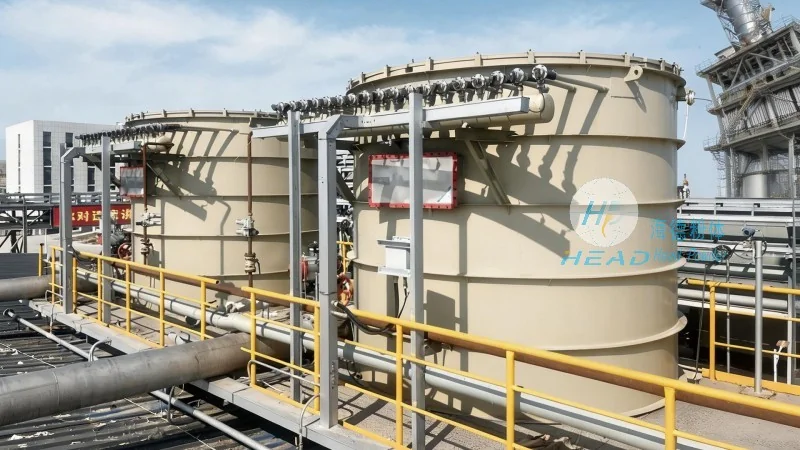
The working principle of the wood fiber powder conveying system is based on the principles of fluidization and mechanical transport. In pneumatic conveying systems, for instance, the wood fiber powder is suspended in a stream of air and transported through pipes. The air velocity is carefully controlled to ensure that the powder particles remain suspended without settling or clogging the system. The system may use positive pressure (blowing air into the system) or negative pressure (sucking air out of the system) to move the powder, depending on the application and layout of the plant. Mechanical conveyors, such as screw conveyors, rely on the rotation of a screw to push the powder forward, utilizing the friction between the screw and the material to achieve transport. The design of the conveyor, including the pitch and diameter of the screw, is optimized to handle the specific characteristics of wood fiber powders, ensuring minimal wear and tear and consistent performance.
Advantages of the Wood Fiber Powder Conveying System
The wood fiber powder conveying system offers several advantages over traditional methods of material transport. One of the primary benefits is the ability to handle fine powders without clogging or blockages, which is crucial for wood fiber powders that can be prone to agglomeration. The system also provides a controlled and consistent flow rate, which is essential for maintaining the quality of the final product. Additionally, the system can be integrated with other processing equipment, such as mixers or extruders, to create a seamless production line. The use of advanced materials and coatings in the system components reduces the risk of powder contamination and equipment wear, leading to lower maintenance costs and longer equipment life. Furthermore, the system can be customized to meet the specific needs of different applications, such as varying production capacities or material types, making it a versatile solution for industrial processing.
Applications and Industries
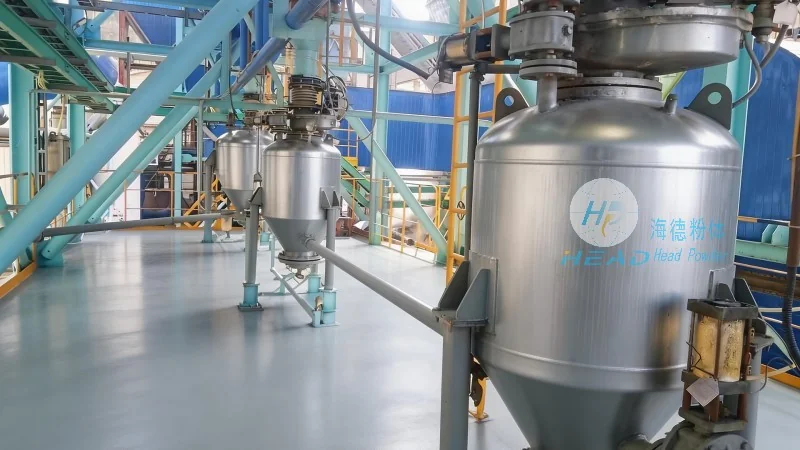
The wood fiber powder conveying system is widely used in various industries that rely on wood fiber powders as a raw material. These include the production of wood-based panels, such as particleboard and fiberboard, where the consistent transport of wood fiber powder is critical for achieving uniform product quality. The system is also used in the manufacturing of composite materials, where wood fiber powders are combined with other components to create lightweight and durable products. Additionally, the system finds applications in the production of wood-based insulation materials, where the efficient transport of fine wood fibers is essential for maintaining the insulation properties of the final product. The versatility of the system makes it suitable for a range of industrial applications, from small-scale production facilities to large-scale manufacturing plants.
Maintenance and Operational Considerations
Proper maintenance and operational considerations are essential to ensure the long-term performance and reliability of the wood fiber powder conveying system. Regular cleaning of the hopper, feeder, and conveyor components is necessary to prevent powder buildup and clogging. The system should be inspected regularly for signs of wear and tear, such as worn screws or damaged conveyor belts, and replaced as needed. The control system should be calibrated periodically to ensure accurate monitoring and adjustment of operational parameters. Additionally, the system should be operated within the recommended parameters, such as flow rates and air velocities, to avoid overloading or damaging the equipment. Proper training of operators on the system's operation and maintenance is also crucial to minimize downtime and maximize efficiency. By following these maintenance and operational guidelines, the system can operate at peak performance, ensuring consistent material transport and high-quality product output.




