When it comes to handling and transporting seasoning materials in industrial settings, selecting the right conveying method is crucial for maintaining product quality, ensuring operational efficiency, and minimizing downtime. Seasoning powders and granules often present unique challenges such as fine particle size, hygroscopic nature, and potential for dust generation, which can impact the effectiveness of traditional conveying systems. This article explores common seasoning material conveying methods and highlights the advantages of HeadPowder's pneumatic conveying solutions, a leading provider in the field.
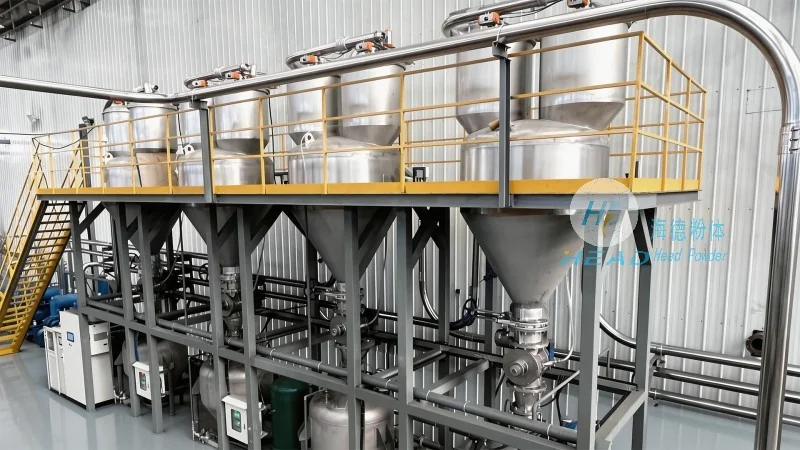
Understanding Common Seasoning Material Conveying Methods
Seasoning materials, including spices, herbs, and flavor enhancers, are typically transported in various forms—powders, granules, or even liquid extracts. The choice of conveying method depends on factors like material properties, production scale, and environmental considerations. Traditional methods include gravity flow, mechanical conveyors (like belt conveyors and screw conveyors), and pneumatic systems. Each method has its own set of advantages and limitations, making it essential to evaluate them based on specific operational needs.
Gravity Conveying Systems
Gravity conveying relies on the natural force of gravity to move materials from a higher elevation to a lower one. This method is simple and cost-effective for materials that can flow freely without requiring additional energy input. However, it is limited by the need for a sloped pathway and is not suitable for vertical or long horizontal distances. For seasoning powders, gravity flow may not be efficient due to their fine particle size and tendency to settle or clog in low-velocity sections. Additionally, it lacks the ability to handle dust or prevent contamination, which are critical concerns in food processing environments.
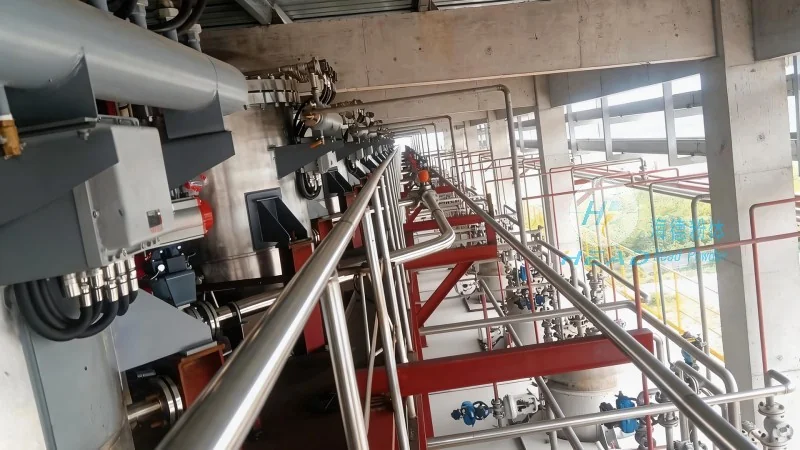
Mechanical Conveying Systems
Mechanical conveyors, such as belt conveyors and screw conveyors, are widely used in the food industry for transporting bulk materials. Belt conveyors use a continuous belt to move materials horizontally or at a slight incline, while screw conveyors employ a rotating screw to push materials forward. These systems are robust and can handle a wide range of materials, including abrasive or sticky substances. However, they have limitations when dealing with fine powders, as they can cause dust accumulation, material degradation, or blockages. Mechanical conveyors also require regular maintenance to prevent wear and tear, and they may not be suitable for high-volume or continuous operations.
Pneumatic Conveying Systems: The Preferred Solution for Seasoning Materials
Pneumatic conveying, also known as air conveying, uses compressed air to transport materials through a pipeline. This method is particularly effective for handling fine powders and granules, as it can move materials at high speeds with minimal contact, reducing the risk of contamination and degradation. Pneumatic systems are available in two main types: pressure and vacuum. Pressure systems push materials forward using compressed air, while vacuum systems draw materials into the system using a vacuum pump. Both types offer advantages in terms of flexibility and adaptability to different production layouts.
HeadPowder's Pneumatic Conveying Advantages and Features
Shandong HeadPowder Engineering Co., Ltd., a leading manufacturer of pneumatic conveying systems, specializes in providing customized solutions for seasoning material handling. Their systems are designed to address the unique challenges of seasoning powders, including dust control, material preservation, and efficient transport. Key advantages of HeadPowder's pneumatic conveying solutions include:
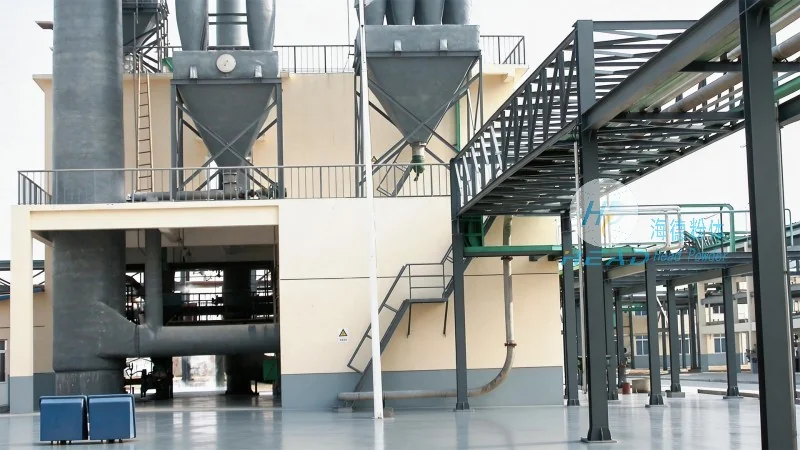
Efficient Material Transport
HeadPowder's pneumatic conveying systems are engineered to move seasoning materials with high efficiency and minimal energy consumption. The use of compressed air allows for rapid transport over long distances, even vertically, without the need for mechanical components that can cause wear or blockages. This ensures consistent and reliable material flow, reducing downtime and increasing overall productivity. The systems are designed to handle various particle sizes and shapes, from fine powders to coarse granules, making them versatile for different seasoning products.
Advanced Dust Control and Hygiene
Seasoning materials are often sensitive to moisture and contamination, making dust control a critical factor in food processing. HeadPowder's pneumatic conveying systems incorporate advanced filtration and sealing technologies to minimize dust emissions and maintain a clean environment. The enclosed pipeline design prevents cross-contamination and ensures compliance with food safety regulations. The systems also feature easy-to-clean components, reducing the risk of bacterial growth and ensuring consistent product quality. This is particularly important for seasoning materials that are used in sensitive applications, such as pharmaceuticals or high-end food products.
Customizable and Scalable Solutions
HeadPowder understands that each production facility has unique requirements, which is why they offer customizable pneumatic conveying solutions. Their systems can be tailored to fit specific production volumes, material properties, and operational constraints. Whether a small-scale operation or a large industrial plant, HeadPowder can design a system that meets the exact needs of the client. The company also provides scalable solutions, allowing for future expansion without the need for major system overhauls. This flexibility ensures that clients can adapt to changing production demands while maintaining optimal performance.
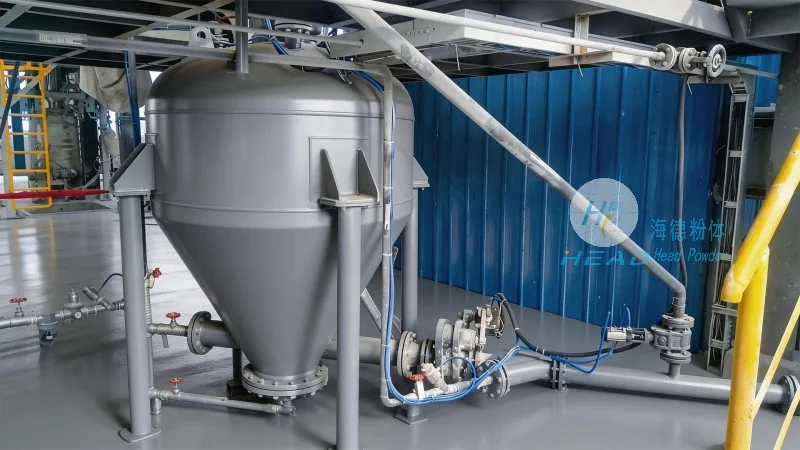
Reliable and Low-Maintenance Operation
HeadPowder's pneumatic conveying systems are built with high-quality components and robust construction to ensure long-term reliability. The use of durable materials and advanced engineering reduces the risk of breakdowns and extends the lifespan of the equipment. The systems also require minimal maintenance, as they have fewer moving parts compared to mechanical conveyors. This results in lower operational costs and less downtime for maintenance. HeadPowder provides comprehensive support, including installation, training, and after-sales service, to ensure that clients can operate their systems efficiently and effectively.
Conclusion
Choosing the right conveying method for seasoning materials is essential for maintaining product quality and operational efficiency. While traditional methods like gravity and mechanical conveyors have their uses, pneumatic conveying offers superior performance and adaptability for handling fine powders and granules. HeadPowder's pneumatic conveying systems, with their advanced features and customized solutions, provide a reliable and efficient way to transport seasoning materials. By selecting HeadPowder's technology, food processing facilities can ensure consistent product quality, minimize contamination risks, and improve overall operational performance.




