Understanding the operation process and working principle of a coke powder conveying line is crucial for optimizing industrial material handling systems. This article provides a detailed overview of how such systems function, focusing on the key components, operational steps, and technical aspects that ensure efficient and reliable transport of coke powder. The information is presented by Shandong HeadPowder Engineering Co., Ltd., a leading provider in the field, based in Shandong, China.
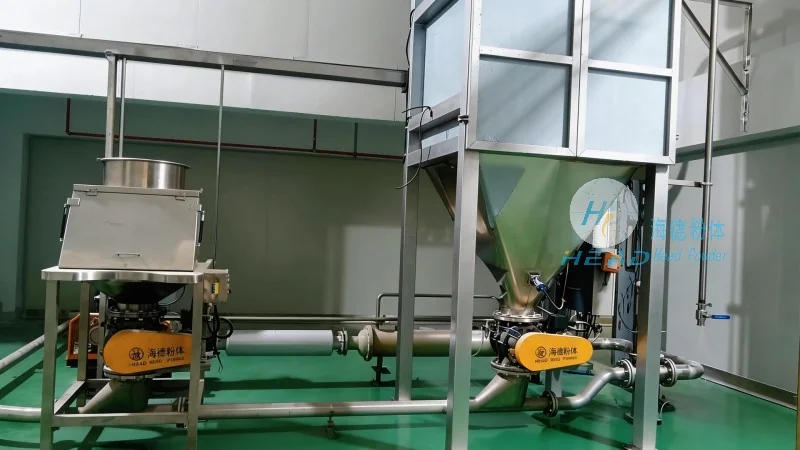
Key Components of a Coke Powder Conveying Line
A coke powder conveying line typically consists of several essential components that work in tandem to achieve seamless material transport. These components include hoppers for material storage, feeders to control the flow rate, conveyor systems (such as screw conveyors or pneumatic conveyors), and control panels for monitoring and adjusting operations. Each component plays a vital role in maintaining the efficiency and safety of the entire system. The design of these components is tailored to handle the specific characteristics of coke powder, such as its density, particle size, and flowability, ensuring optimal performance under various operational conditions.
Operation Process of the Coke Powder Conveying Line
The operation process of a coke powder conveying line involves several sequential steps that ensure the smooth and continuous movement of coke powder from the storage area to the processing or discharge point. The process begins with the loading of coke powder into the hopper. The feeder then regulates the flow of material into the conveyor system. Depending on the type of conveyor used, the material may be transported via mechanical means (e.g., screw conveyors) or through pneumatic systems where air pressure propels the powder. The control panel monitors parameters like flow rate, pressure, and temperature, allowing operators to adjust settings as needed to maintain optimal performance. The system is designed to handle varying loads and maintain consistent material flow, minimizing downtime and ensuring reliable operation.
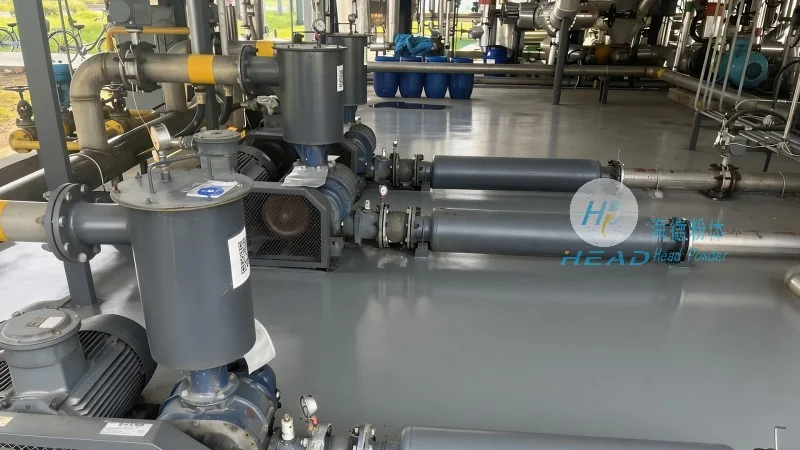
Working Principle of the Conveying Mechanism
The working principle of a coke powder conveying line is based on the principles of material handling and fluid dynamics. For mechanical conveyors, the screw or belt mechanism rotates to move the powder forward, leveraging friction and gravity to facilitate transport. The design of the conveyor components, including the pitch and diameter of screws or the speed of belts, is critical in determining the efficiency of material movement. In pneumatic conveying systems, the principle of air pressure is utilized. By creating a pressure differential, air is forced through the pipeline, carrying the coke powder along with it. The system may use positive or negative pressure, depending on the application and distance of transport. The working principle also considers factors like particle size distribution and moisture content, as these can affect the flow characteristics and the overall efficiency of the conveying process.
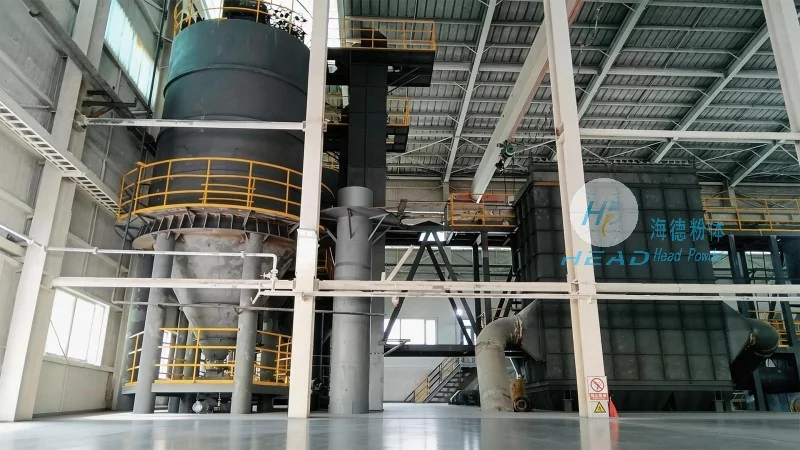
Advantages of Using a Coke Powder Conveying Line
Implementing a coke powder conveying line offers numerous advantages for industrial operations. These systems enhance productivity by automating the material handling process, reducing manual labor and associated risks. They also improve safety by minimizing the exposure of workers to dust and other hazards associated with handling coke powder manually. Additionally, the consistent flow and control features of these systems help maintain product quality by preventing segregation and ensuring uniform material distribution. The efficiency of coke powder conveying lines also leads to cost savings, as they reduce energy consumption and maintenance requirements compared to traditional methods of material transport.
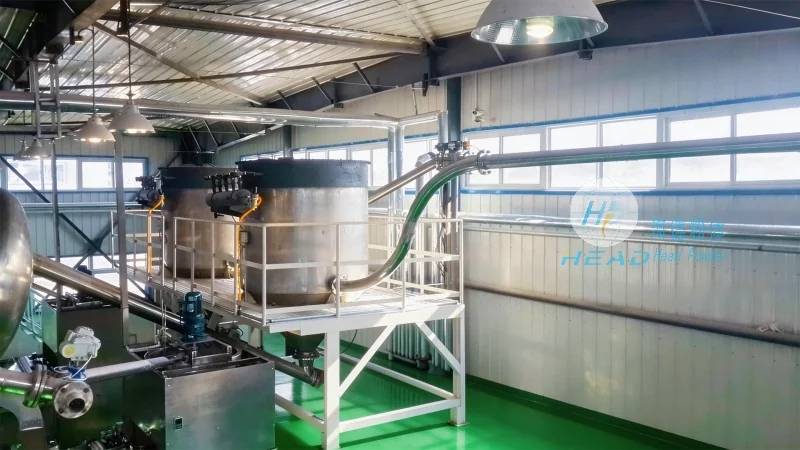
Applications and Industries
Coke powder conveying lines are widely used in various industries that rely on coke as a raw material. These include the steel industry, where coke is used in blast furnaces for iron production, and the chemical industry, where it serves as a fuel or reducing agent in various processes. The systems are also utilized in power generation plants and other industrial facilities that require the transport of bulk materials. The adaptability of coke powder conveying lines to different operational requirements makes them suitable for a range of applications, from small-scale operations to large-scale industrial plants.
Maintenance and Troubleshooting
Proper maintenance is essential to ensure the long-term performance and reliability of a coke powder conveying line. Regular inspections of components such as hoppers, feeders, and conveyor systems are necessary to identify and address potential issues before they escalate. Common maintenance tasks include cleaning the system to prevent clogging, lubricating moving parts, and checking for wear and tear on components like screws or belts. Troubleshooting procedures are also important to address issues like uneven flow or blockages. By following a regular maintenance schedule and understanding common problems, operators can minimize downtime and ensure the system operates at peak efficiency.




