At Shandong HeadPowder Engineering Co., Ltd., we specialize in the design, manufacturing, and implementation of efficient material conveying systems tailored for the monosodium glutamate (MSG) industry. Our expertise lies in ensuring that the transportation of MSG raw materials and finished products is carried out with precision, reliability, and adherence to industry standards. This article delves into the operational workflow and underlying principles that govern the efficient handling of monosodium glutamate material through our advanced conveying solutions.
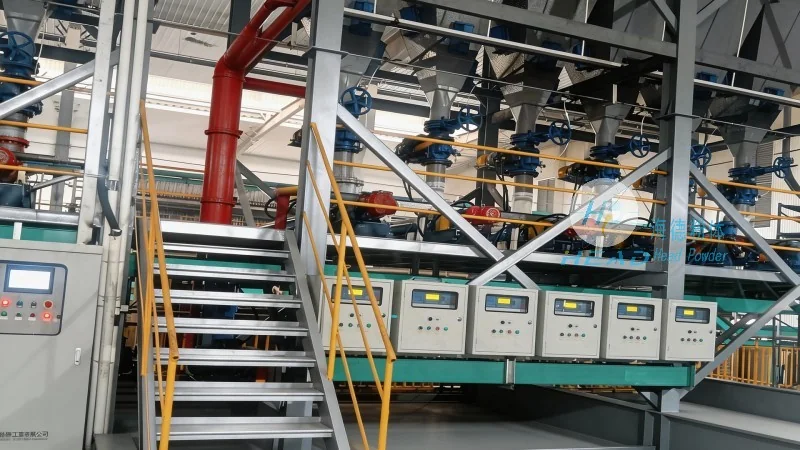
Before delving into the specifics of the conveying process, it is essential to understand the fundamental components and the overall system architecture. The monosodium glutamate material conveying system typically comprises several key elements, including feed hoppers, conveyor belts or screw conveyors, control panels, and discharge mechanisms. Each component plays a critical role in maintaining the integrity and flow of the MSG material throughout the entire operation. The feed hopper is responsible for storing and regulating the input of raw MSG material, ensuring a consistent feed rate to the conveyor. This initial stage is crucial for preventing material buildup and maintaining a steady flow into the conveying system.
The conveyor itself, whether a belt conveyor or a screw conveyor, is the core of the material transport mechanism. For monosodium glutamate, which is often in granular or powdered form, a screw conveyor is frequently preferred due to its ability to handle fine powders without causing excessive dust or segregation. The screw conveyor consists of a rotating helical screw within a cylindrical housing. As the screw rotates, it pushes the material forward along the length of the conveyor. This mechanism is particularly effective for monosodium glutamate because it minimizes the risk of material degradation and ensures a uniform movement of the product. The speed of the screw and the pitch of the helix are carefully calibrated to match the specific characteristics of the MSG material, such as its density and flowability.
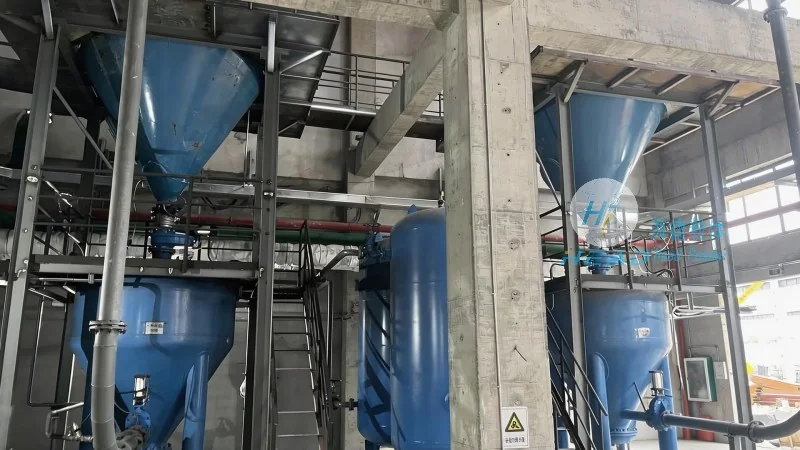
Following the conveyor section, the material may pass through a series of processing or storage units. For instance, the conveying system might connect to a mixing or blending unit where additional ingredients are added to the monosodium glutamate. Alternatively, it could lead to a packaging line where the final product is prepared for distribution. In either case, the conveying system must maintain the quality of the material by preventing contamination, moisture absorption, or any form of degradation that could affect the final product's quality. This is achieved through the use of sealed conveyor systems and proper ventilation to control humidity levels.
The control panel is another critical component that oversees the entire conveying operation. It monitors various parameters such as the speed of the conveyor, the level of material in the hopper, and the pressure within the system. Sensors and feedback mechanisms are integrated into the control panel to provide real-time data, allowing operators to make adjustments as needed. For example, if the material level in the hopper drops below a certain threshold, the control panel can automatically trigger the feeding mechanism to replenish the hopper. Similarly, if the conveyor speed is too high or too low, the system can adjust to maintain optimal flow rates. This level of automation ensures that the conveying process is efficient and minimizes downtime.

The discharge mechanism at the end of the conveyor is designed to release the monosodium glutamate material into the next stage of the process or into a storage container. This mechanism must be capable of handling the material without causing spillage or blockages. For granular materials like MSG, a rotary valve or a gate valve is commonly used to control the flow of material out of the conveyor. These devices are designed to be leak-proof and to maintain a consistent discharge rate, ensuring that the material is transferred smoothly to the next step in the production line.
In summary, the operation process of monosodium glutamate material conveying involves a coordinated effort between various components working in tandem. From the initial feed hopper to the final discharge mechanism, each part plays a vital role in ensuring the efficient and reliable transport of the material. The working principle revolves around the use of mechanical forces, such as the rotation of a screw or the movement of a conveyor belt, to move the material through the system. By carefully designing and maintaining these components, Shandong HeadPowder Engineering Co., Ltd. ensures that the conveying process for monosodium glutamate is both effective and sustainable, meeting the demands of modern food processing industries.




