HeadPowder, a leading enterprise in the field of material handling technology, specializes in the design, manufacturing, and implementation of systems for transporting lithium oxide. With a focus on precision, efficiency, and safety, the company's solutions are tailored to meet the unique demands of lithium oxide processing and handling applications. This article provides an in-depth look at the operation process and working principles of lithium oxide material handling systems, highlighting the key components, operational steps, and technical considerations that ensure reliable and effective material transport.
Company Overview and Expertise
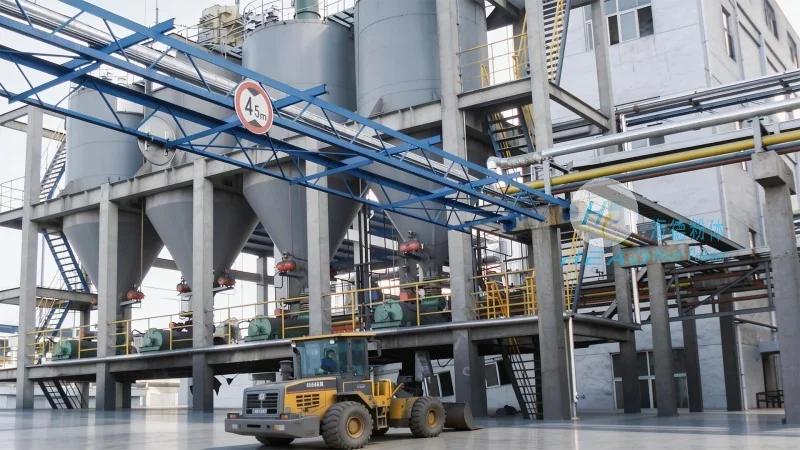
Shandong HeadPowder Engineering Co., Ltd., commonly known as HeadPowder, is a professional manufacturer and supplier of material handling equipment. The company has established itself as a trusted partner in the chemical and lithium processing industries, offering comprehensive solutions for material transport, storage, and processing. HeadPowder's team of engineers and technicians brings extensive experience in designing systems that adhere to industry standards and client-specific requirements. The company's commitment to quality and innovation ensures that its products are reliable, durable, and efficient, making them suitable for various lithium oxide handling applications.
Key Components of Lithium Oxide Material Handling Systems
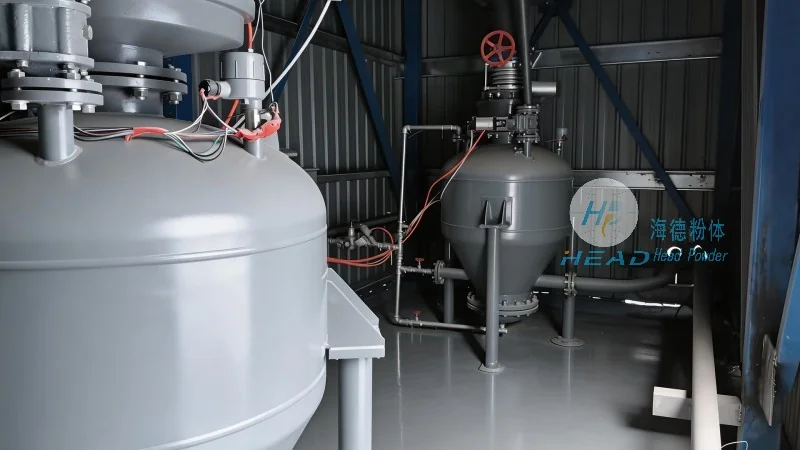
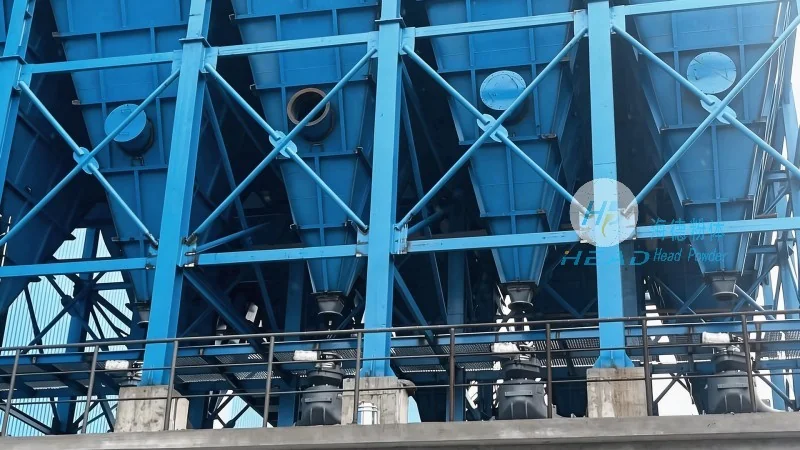
The lithium oxide material handling system typically consists of several critical components that work in tandem to ensure smooth and safe operation. These components include feeders, conveyors, storage silos, and control systems. Each component plays a vital role in the overall process, and their integration is crucial for optimal performance. Feeders are responsible for accurately metering and delivering lithium oxide from the storage silo to the conveyor system. They are designed to handle the material's properties, such as its flowability and density, to prevent blockages and ensure consistent feed rates. Conveyors, often in the form of belt or screw conveyors, transport the lithium oxide from the feeder to the processing or storage areas. The choice of conveyor type depends on factors like the material's characteristics, the required transport distance, and the desired throughput. Storage silos are used to store large quantities of lithium oxide, providing a stable and controlled environment that minimizes material degradation and ensures easy access for feeding. Control systems, including sensors, controllers, and monitoring devices, manage the entire operation, ensuring that the system runs efficiently and safely. These systems can detect and respond to abnormalities, such as overfilling or blockages, to prevent accidents and maintain process integrity.
Operation Process of Lithium Oxide Material Handling
The operation process of a lithium oxide material handling system involves several sequential steps that ensure the material is transported from the storage silo to the processing or discharge point. The first step is the preparation phase, where the system is checked for proper functionality and the lithium oxide is prepared for feeding. This includes verifying the silo's level, checking the feeder's settings, and ensuring the conveyor is clear. The second step is the feeding process, where the feeder meters the lithium oxide and delivers it to the conveyor. The feeder's speed and capacity are adjusted based on the required throughput and the material's flow characteristics. The third step is the transport phase, where the conveyor moves the lithium oxide from the feeder to the discharge point. The conveyor's speed and direction are controlled to maintain a consistent flow rate. The fourth step is the monitoring phase, where the control system continuously monitors the system's performance, including the silo level, feeder speed, and conveyor status. Any deviations from the set parameters are detected and corrected by the control system. The final step is the discharge phase, where the lithium oxide is delivered to the processing equipment or storage area. The discharge rate is controlled to match the processing requirements, ensuring that the system operates at optimal efficiency.
Working Principles of Lithium Oxide Material Handling Systems
The working principles of lithium oxide material handling systems are based on the principles of material flow and mechanical transport. The system operates by converting the potential energy of the stored material into kinetic energy, which is then used to move the material through the conveyor system. The feeder plays a critical role in this process by controlling the flow rate of the material from the silo to the conveyor. The feeder's design, such as the type of screw or paddle, is selected based on the material's properties to ensure smooth and consistent feeding. The conveyor system then uses this kinetic energy to transport the material over a specified distance. The control system monitors the entire process, adjusting the feeder speed and conveyor speed as needed to maintain the desired flow rate. The system also incorporates safety features, such as emergency stop buttons and overload protection, to prevent accidents and ensure the safety of operators and equipment. The overall working principle is to provide a reliable and efficient means of transporting lithium oxide, minimizing downtime and maximizing productivity.
Technical Considerations and Best Practices
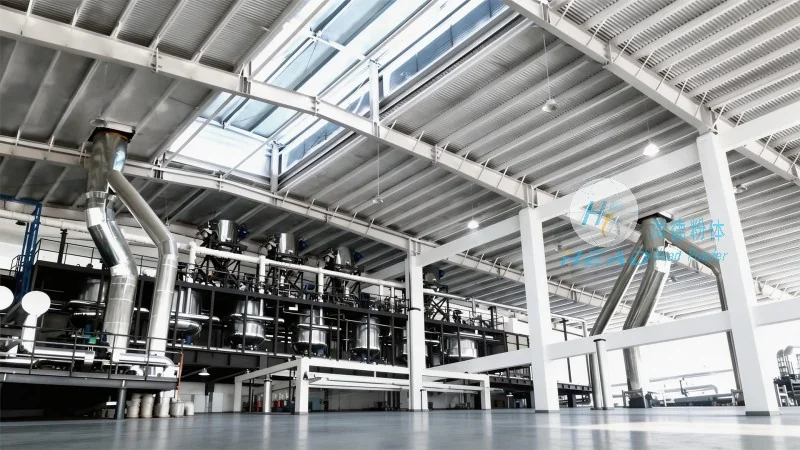
When implementing a lithium oxide material handling system, several technical considerations and best practices should be followed to ensure optimal performance and safety. First, the material's properties, such as its flowability, density, and particle size distribution, must be carefully evaluated. These properties affect the feeder's design and the conveyor's capacity, and must be considered during the system's design phase. Second, the system's capacity must be matched to the processing requirements to avoid overloading or underutilization. This involves calculating the required throughput based on the processing rate and the material's characteristics. Third, the system must be designed to minimize material degradation and contamination. This includes using appropriate materials for the silo and conveyor, and implementing proper cleaning procedures. Fourth, the system must incorporate safety features to protect operators and equipment. This includes emergency stop buttons, overload protection, and proper ventilation to prevent dust accumulation. Finally, regular maintenance and inspection are essential to ensure the system's long-term reliability and performance. This includes checking the feeder and conveyor for wear and tear, cleaning the system, and replacing worn parts as needed.




