HeadPowder, a leading manufacturer based in Shandong, China, specializes in the design and implementation of efficient material handling solutions for sodium stearate. This article delves into the operational process and underlying principles of such systems, providing a comprehensive overview for industry professionals and potential clients.
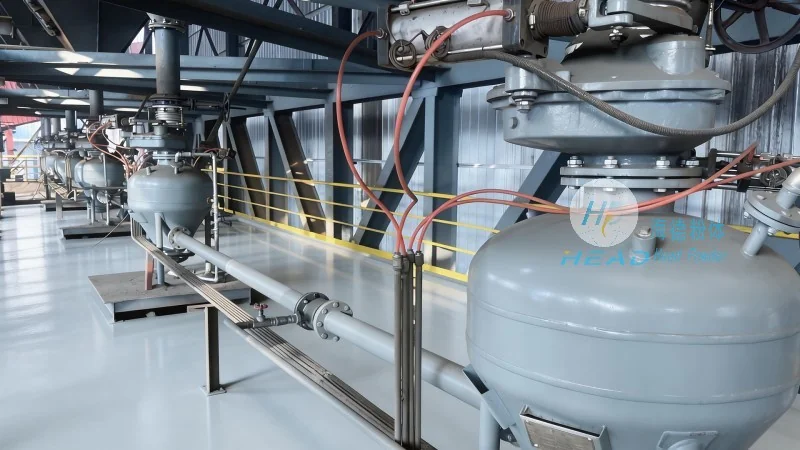
Key Components of Material Handling for Sodium Stearate
The material handling systems for sodium stearate typically consist of several critical components that work in tandem to ensure smooth and reliable operation. These include bulk storage silos or hoppers, conveyor systems (such as belt conveyors or screw conveyors), feeding mechanisms, and control panels. Each component plays a vital role in the overall efficiency and safety of the process. The storage silos are designed to hold large quantities of sodium stearate while maintaining consistent material level, preventing caking or segregation. The conveyor systems are engineered to handle the material's bulk density and flow characteristics, with options like belt conveyors for bulk transport and screw conveyors for vertical or inclined movement. The feeding mechanisms, including rotary valves and gate systems, regulate the material flow from the silo to the conveyor, ensuring controlled discharge rates. The control panels integrate sensors, motors, and automation logic to monitor and adjust the entire system in real-time.
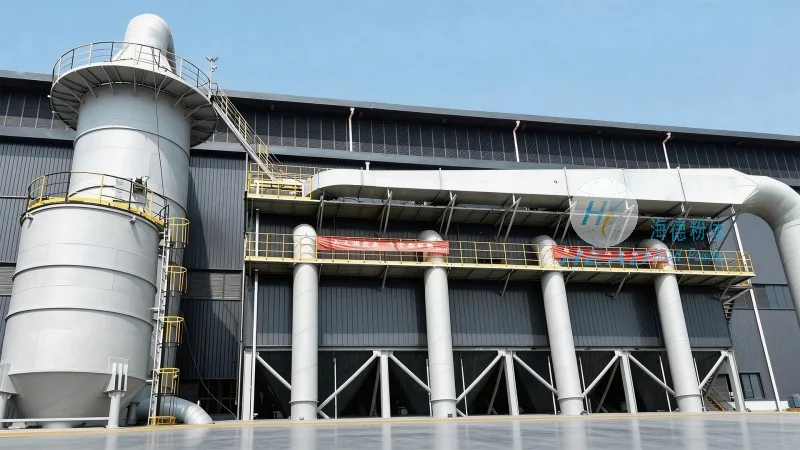
The Operational Process: From Storage to Delivery
The operation of sodium stearate material handling begins with the storage of raw material in bulk silos. The material is then released from the silo through a controlled feeding system, often using a rotary valve or a gate mechanism. This feed is then transferred to the primary conveyor system, which may involve a series of belt conveyors or screw conveyors to transport the material to the processing or packaging area. The control panel monitors the flow rate, pressure, and other parameters to maintain consistent performance. The entire process is designed to minimize material degradation, prevent blockages, and ensure accurate dosing for downstream applications. Specifically, the process starts with the silo's level sensor detecting the material height, triggering the feeder to start when the level reaches a pre-set threshold. The feeder then delivers the material at a controlled rate, which is adjusted by the control system based on real-time feedback from flow meters and pressure sensors. The conveyor system transports the material smoothly, with speed variations managed by variable frequency drives (VFDs) to maintain a steady flow. Upon reaching the discharge point, the material is either transferred to a packaging machine or a processing unit, with the control system ensuring precise dosing and preventing overfilling or underfilling. This end-to-end process ensures that sodium stearate is handled efficiently from storage to final use, maintaining product quality and operational reliability.
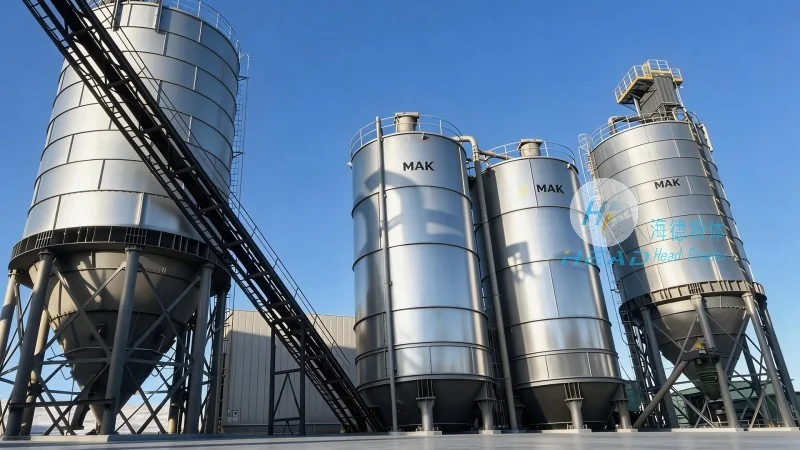
Working Principle: Mechanical and Control Integration
The working principle of sodium stearate material handling systems combines mechanical engineering with advanced control technology. The mechanical components, such as conveyors and feeders, are engineered to handle the physical properties of sodium stearate, including its bulk density, flowability, and potential tendency to agglomerate. The control system uses sensors and feedback loops to adjust the speed of conveyors, the opening of valves, and the timing of feeding operations. This integration ensures that the system operates within optimal parameters, adapting to variations in material characteristics and production demands. The result is a highly efficient and reliable process that minimizes downtime and maximizes throughput. For instance, the mechanical design of the screw conveyor ensures that the material moves uniformly without excessive friction, while the control system monitors torque and power consumption to detect any blockages or irregularities. The integration of these mechanical and electronic elements creates a self-regulating system that can adjust to changes in material moisture content, temperature, or particle size, ensuring consistent performance across different production cycles.
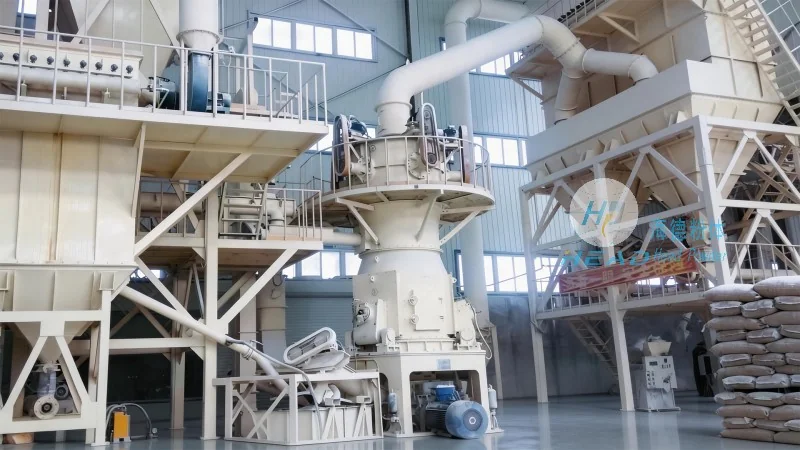
Company Profile: HeadPowder Engineering
HeadPowder Engineering Co., Ltd., headquartered in Shandong, China, is a reputable company dedicated to providing high-quality material handling solutions. With years of experience in the industry, HeadPowder has developed a deep understanding of the unique challenges associated with handling sodium stearate and other similar materials. The company's team of engineers and technicians work closely with clients to design customized systems that meet specific operational requirements, ensuring compliance with safety standards and regulatory requirements. HeadPowder's commitment to quality and innovation has made it a trusted partner for businesses seeking reliable material handling solutions. The company's facilities in Shandong are equipped with advanced manufacturing and testing capabilities, allowing for the development of tailored solutions that address the specific needs of each client. Whether for small-scale production or large industrial applications, HeadPowder provides comprehensive material handling systems that enhance operational efficiency and product quality. The company's reputation is built on its ability to deliver solutions that are not only technically sound but also cost-effective and sustainable, aligning with the evolving demands of the industry.




