Shandong HeadPowder Engineering Co., Ltd., a leading manufacturer based in Shandong, China, specializes in the design, development, and production of advanced micropowder material handling equipment. Our company, commonly known as HeadPowder, has established itself as a trusted provider in the industry, delivering high-quality solutions tailored to the unique demands of handling fine powders efficiently and safely.
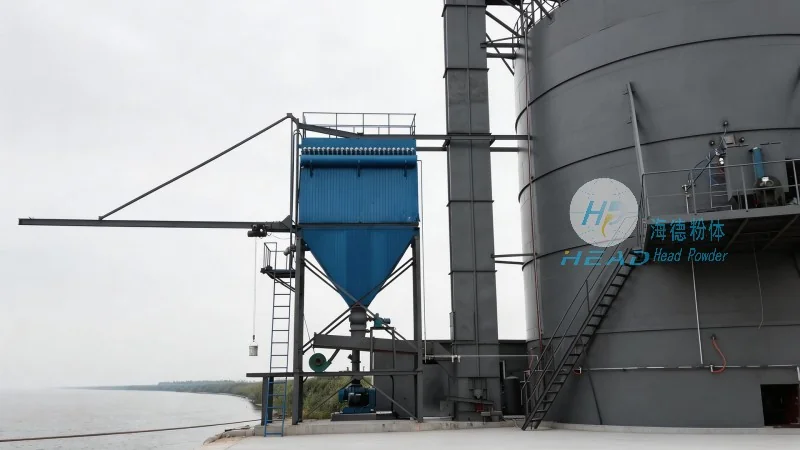
Overview of Micropowder Material Handling Equipment
Micropowder material handling equipment is engineered to transport, store, and manage fine powders with precision and reliability. These systems are crucial in various industries, including pharmaceuticals, chemicals, food processing, and manufacturing, where the handling of micropowders requires strict control over flow, dust, and contamination. The equipment is designed to address the challenges associated with fine powders, such as caking, segregation, and air entrainment, ensuring optimal performance and operational safety.
The Operation Process of Micropowder Material Handling Equipment
The operation process of micropowder material handling equipment typically involves several key stages, each designed to ensure efficient and controlled material movement. The first stage is the intake or feeding of the micropowder from a storage silo or hopper. This is often achieved through a controlled feeding mechanism, such as a rotary valve or a screw feeder, which regulates the flow rate of the material into the system. The material then moves through a series of components, including pipelines, ducts, or conveyor systems, depending on the specific design of the equipment. During this phase, the equipment may incorporate features like airlocks or rotary airlocks to prevent backflow and maintain airtightness, which is critical for preventing dust emissions and maintaining product integrity.
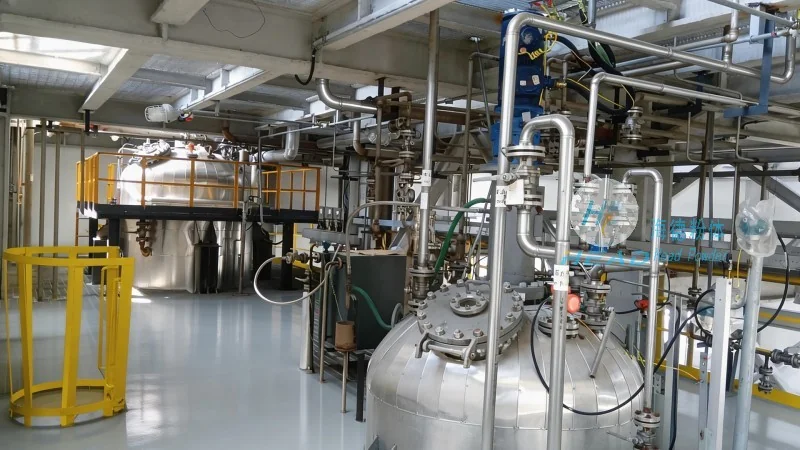
As the micropowder travels through the system, it may undergo processing steps such as blending, mixing, or drying, depending on the application. For example, in pharmaceutical applications, the equipment might include a blending chamber to mix different micropowders to achieve the desired formulation. In chemical processing, the system could incorporate a drying unit to remove moisture from the powder before further processing. The final stage of the operation involves the discharge of the processed micropowder into a receiving container or a downstream processing unit. This is typically controlled by a discharge valve or a similar mechanism, ensuring that the material is released in a controlled manner to avoid spills or overfilling.
The Working Principle of Micropowder Material Handling Equipment
The working principle of micropowder material handling equipment is based on the fundamental principles of fluid dynamics and mechanical engineering. The core of the system is the ability to handle fine powders as a bulk material, often by creating a controlled flow of air and powder mixture, known as a pneumatic conveying system. In pneumatic conveying, the micropowder is suspended in a stream of air and transported through pipelines. The equipment uses a combination of pressure or vacuum to create the necessary flow, with the pressure differential driving the material forward. The design of the pipelines, including the use of bends, elbows, and expansion joints, is critical to minimize pressure loss and prevent material buildup or blockages.
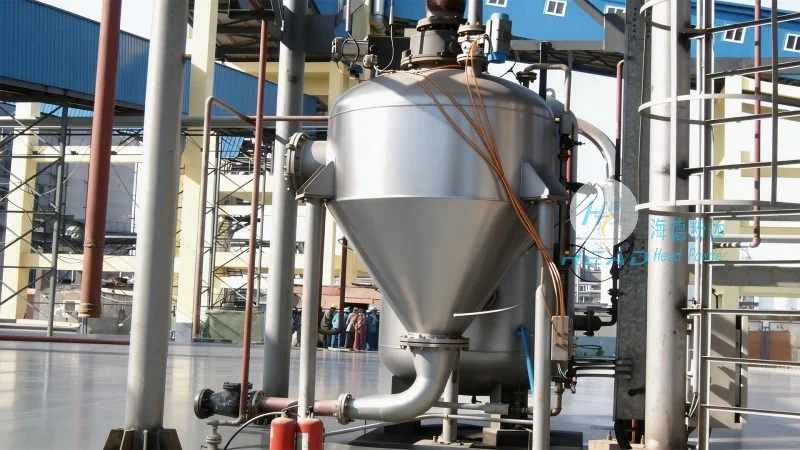
Another key principle is the use of mechanical components to control the flow and movement of the micropowder. For instance, screw conveyors or auger systems use rotating screws to push the powder forward, while rotary valves and airlocks use rotating discs to control the intake and discharge of material. These mechanical components are designed to handle the high friction and abrasive nature of micropowders, ensuring long-term durability and minimal maintenance. The equipment also incorporates safety features, such as dust collection systems and explosion-proof designs, to protect operators and the environment from the hazards associated with fine powders.
Key Features and Benefits of Micropowder Material Handling Equipment
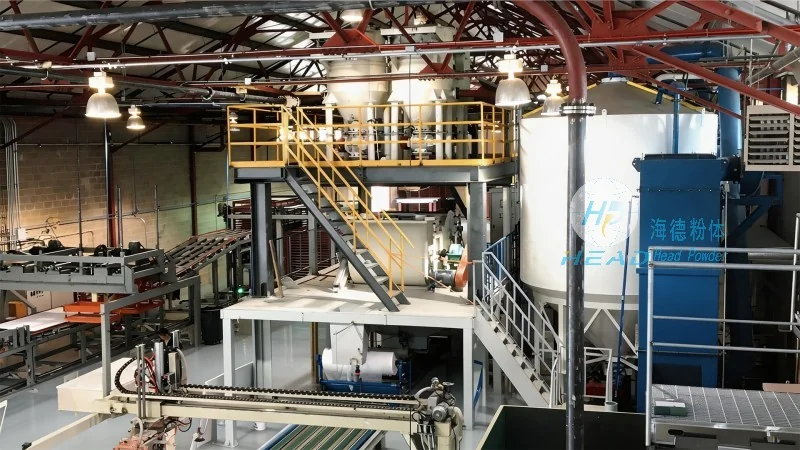
Modern micropowder material handling equipment from HeadPowder offers several key features that enhance performance and operational efficiency. These include advanced control systems that allow for precise regulation of flow rates, pressure, and temperature, ensuring consistent product quality. The equipment also features robust construction materials, such as stainless steel and corrosion-resistant alloys, to withstand the harsh conditions of micropowder handling and extend the equipment's lifespan. Additionally, the systems are designed with easy maintenance in mind, incorporating accessible components and diagnostic tools that enable quick troubleshooting and reduced downtime.
The benefits of using micropowder material handling equipment from HeadPowder extend beyond operational efficiency. The equipment helps to minimize material loss and contamination, which is crucial in industries where product purity is paramount. By maintaining airtight and dust-free conditions, the systems reduce the risk of product degradation and improve overall product quality. Furthermore, the equipment enhances workplace safety by controlling dust emissions and preventing the accumulation of powders, which can pose fire and explosion hazards. Overall, the micropowder material handling equipment from HeadPowder provides a reliable and efficient solution for handling fine powders, supporting the smooth operation of various industrial processes.




