Understanding the operation process and working principle of sodium hydroxide pellet material handling equipment is crucial for optimizing industrial material transport in chemical processing facilities. This equipment is designed to efficiently handle the transportation of sodium hydroxide pellets, a key chemical used in various industrial applications such as water treatment, paper manufacturing, and chemical synthesis. The proper functioning of this equipment ensures safe and reliable material movement, minimizing operational risks and enhancing overall productivity.
Key Components and Their Roles
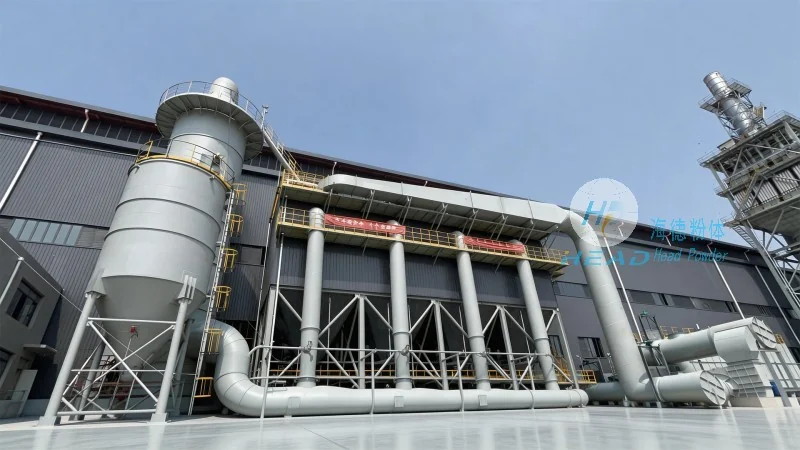
The sodium hydroxide pellet material handling equipment typically consists of several critical components that work in tandem to facilitate smooth material transport. These components include the hopper for material storage, conveyor systems for movement, control panels for operation, and safety mechanisms to prevent accidents. Each component plays a vital role in the overall operation, ensuring that the material is handled with precision and care.
Operation Process: Step-by-Step Explanation
The operation process of the sodium hydroxide pellet material handling equipment begins with the loading of sodium hydroxide pellets into the hopper. The hopper is designed to hold a sufficient quantity of material, allowing for continuous operation without frequent refilling. Once the material is loaded, the conveyor system, which may include belt conveyors or screw conveyors depending on the design, is activated. The conveyor system then transports the pellets from the hopper to the desired destination, such as a storage silo or a processing unit. The control panel allows operators to monitor and adjust the speed and direction of the conveyor, ensuring precise control over the material flow. Safety mechanisms, such as emergency stop buttons and overload protection systems, are integrated into the equipment to prevent accidents and protect personnel.
Working Principle: Mechanical and Electrical Integration
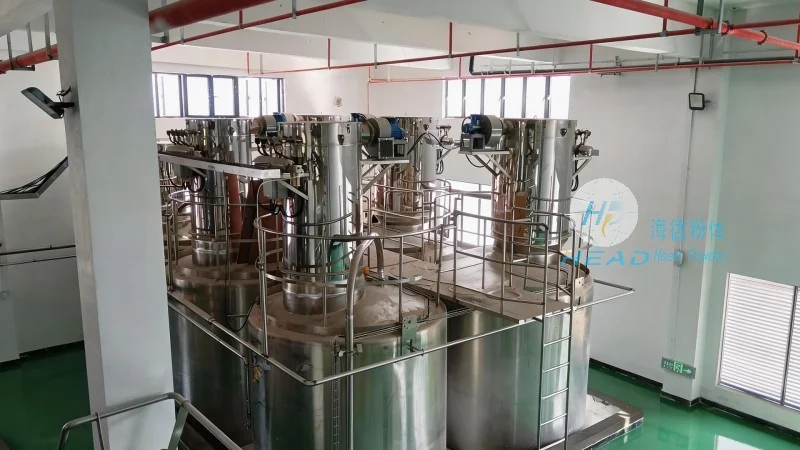
The working principle of the sodium hydroxide pellet material handling equipment relies on the integration of mechanical and electrical systems. The mechanical components, such as the conveyor belts and rollers, are driven by electric motors that convert electrical energy into mechanical energy. The control panel, equipped with sensors and control circuits, regulates the operation of the motors and other components. Sensors are used to detect the level of material in the hopper and the position of the conveyor, providing real-time feedback to the control system. This feedback allows for automatic adjustments to maintain optimal operation. The electrical system also includes safety features, such as ground fault protection and interlock systems, to prevent electrical hazards and ensure the safety of the equipment and operators.
Advantages of Using Sodium Hydroxide Pellet Material Handling Equipment
Implementing sodium hydroxide pellet material handling equipment in industrial settings offers several advantages. Firstly, it enhances operational efficiency by providing a continuous and reliable material transport system, reducing downtime and increasing productivity. Secondly, it improves safety by minimizing manual handling of the material, which can be hazardous due to its caustic nature. The equipment also reduces material loss and contamination, ensuring that the sodium hydroxide pellets remain in good condition throughout the transport process. Additionally, the equipment is designed to be durable and low-maintenance, reducing long-term operational costs.
Application Scenarios and Industrial Use Cases
Sodium hydroxide pellet material handling equipment is widely used in various industrial applications. In water treatment facilities, it is used to transport sodium hydroxide pellets to dosing systems, where they are added to water to adjust pH levels. In paper manufacturing plants, the equipment is used to transport sodium hydroxide pellets to the pulping and bleaching processes. In chemical synthesis facilities, it is used to transport sodium hydroxide pellets to reactors and other processing units. The equipment is also used in other industries, such as food processing and pharmaceuticals, where sodium hydroxide is used as a cleaning agent or a raw material.
Maintenance and Troubleshooting Tips
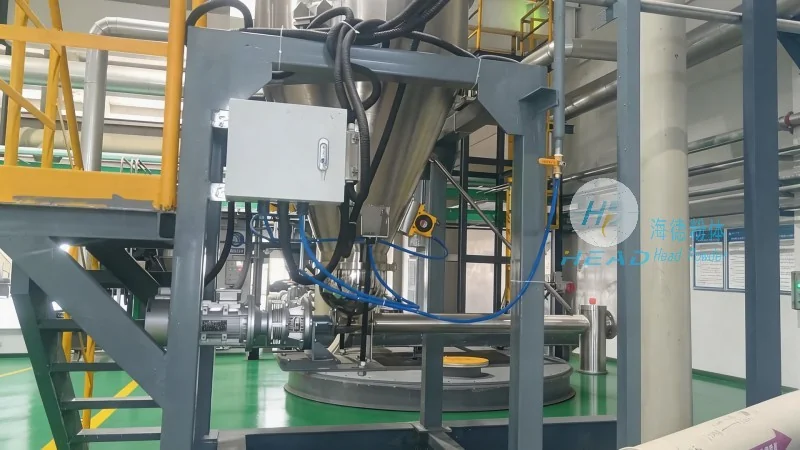
To ensure the optimal performance of the sodium hydroxide pellet material handling equipment, regular maintenance is essential. This includes cleaning the hopper and conveyor system to prevent material buildup and blockages, lubricating moving parts to reduce friction and wear, and inspecting electrical components for any signs of damage or wear. Troubleshooting common issues, such as conveyor belt slippage or motor overheating, can be done by checking the control panel settings and inspecting the mechanical components. If issues persist, it is recommended to consult the equipment manufacturer or a qualified technician for further assistance.
About Shandong HeadPowder Engineering Co., Ltd.
Shandong HeadPowder Engineering Co., Ltd., also known as headpowder, is a leading manufacturer of material handling equipment for the chemical industry. The company specializes in designing and manufacturing equipment for handling various chemicals, including sodium hydroxide pellets. With years of experience in the industry, headpowder has developed a reputation for producing high-quality, reliable, and efficient equipment that meets the needs of its customers. The company's headquarters is located in Shandong, China, and it serves clients worldwide with its innovative and durable equipment solutions.




