Aluminum nitride (AlN) is a critical material in modern semiconductor and advanced material industries, widely used in high-power electronics, optoelectronics, and thermal management applications due to its excellent thermal conductivity, electrical insulation, and chemical stability. The efficient handling and transportation of AlN powders and bulk materials are essential for maintaining production efficiency and product quality. This article provides a detailed overview of the operation process and working principle of specialized material handling equipment designed for AlN, highlighting key components, operational steps, and technical considerations.
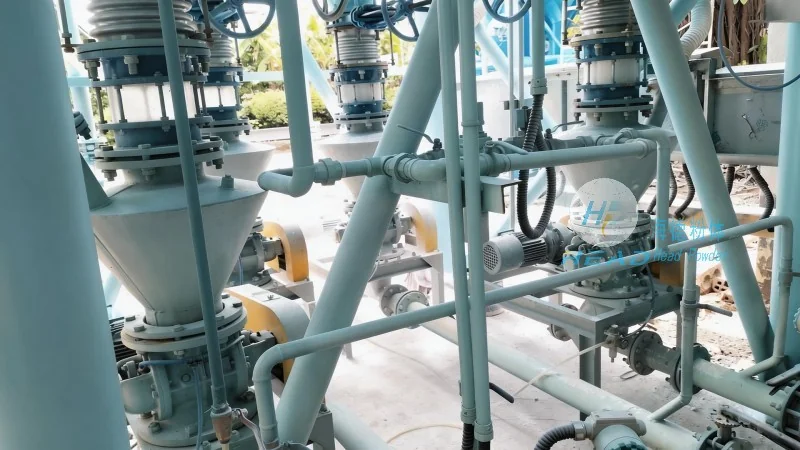
Overview of Aluminum Nitride Material Handling Equipment
HeadPowder, a leading manufacturer based in Shandong, China, specializes in the design and production of advanced material handling systems tailored for handling sensitive materials like aluminum nitride. The equipment typically includes components such as feeders, conveyors, storage hoppers, and control systems, all engineered to minimize material contamination and ensure precise flow control. These systems are crucial for industries that require high-purity AlN, as even minor impurities can significantly impact the performance of final products.
Key Components and Their Functions
The material handling equipment for AlN typically consists of several integrated components, each playing a vital role in the overall operation. The primary components include:
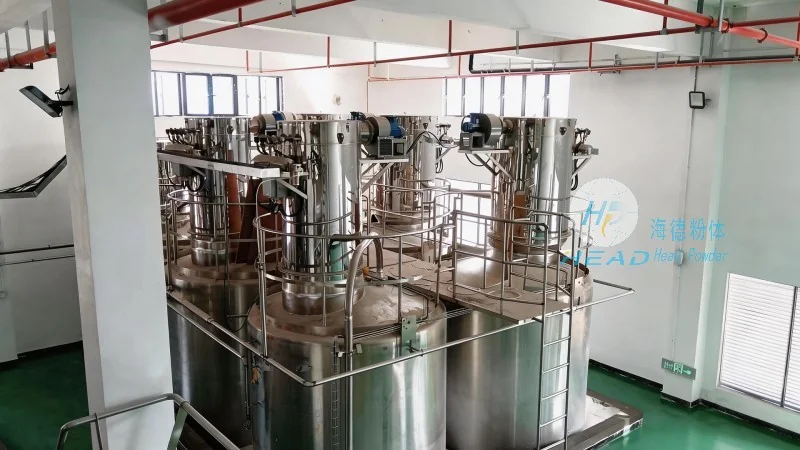
- Material Hopper: A large, sealed container used to store bulk AlN powder. The hopper is designed with smooth internal surfaces to prevent material buildup and ensure uniform discharge. It often features a discharge valve at the bottom to control the flow rate.
- Vibratory Feeder: A device that uses vibration to move AlN from the hopper to the conveyor system. The feeder regulates the material flow rate by adjusting the vibration amplitude and frequency, ensuring a consistent and controlled feed.
- Conveyor System: This may include belt conveyors, screw conveyors, or pneumatic conveying lines, depending on the application. The system transports AlN from the feeder to the processing or packaging area. For high-purity applications, enclosed conveyor systems are used to prevent dust contamination.
- Control Panel: An integrated system that monitors and controls all operational parameters, including flow rate, speed, and temperature. The control panel ensures that the equipment operates within safe and optimal conditions, providing real-time feedback and alarm systems for any deviations.
Operation Process of the Material Handling Equipment
The operation of the aluminum nitride material handling equipment follows a systematic process to ensure efficient and safe material transport. The steps are as follows:
- Material Loading: AlN powder is loaded into the material hopper from a bulk container or storage silo. The hopper is typically equipped with a lid to prevent dust exposure and maintain material purity.
- Feeder Activation: The vibratory feeder is activated, and its vibration parameters are adjusted to achieve the desired flow rate. The feeder ensures a steady stream of AlN moves from the hopper to the conveyor.
- Conveyor Transport: The AlN powder is conveyed from the feeder to the processing or packaging area. The conveyor system may include multiple segments, such as a horizontal conveyor followed by an inclined section to move the material to higher elevations.
- Discharge and Processing: At the end of the conveyor, the AlN is discharged into a processing vessel or packaging container. The discharge point is designed to minimize material spillage and ensure clean handling.
- System Monitoring: The control panel continuously monitors all operational parameters, including flow rate, vibration intensity, and temperature. Any abnormalities are detected and reported, allowing for immediate adjustments to maintain optimal performance.
Working Principle of the Equipment
The working principle of the aluminum nitride material handling equipment is based on mechanical and pneumatic systems that work in tandem to control material flow and ensure safety. The core mechanisms include:
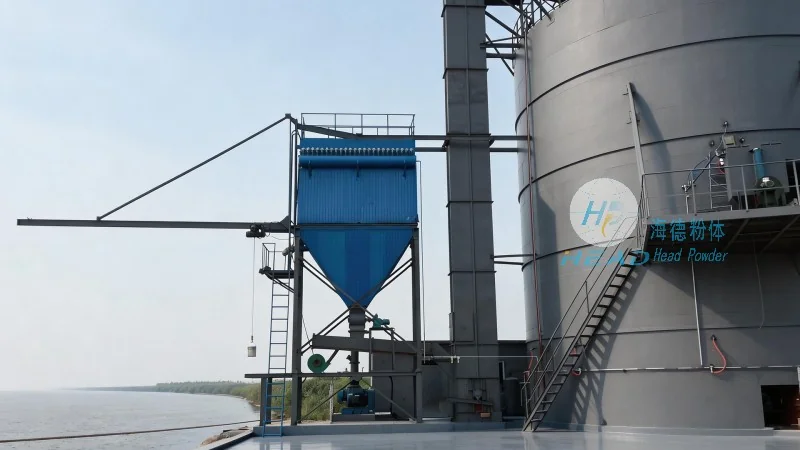
Vibratory Feeding Mechanism: The vibratory feeder operates by applying periodic vibrations to the material in the hopper. These vibrations cause the material to move from the hopper walls to the discharge opening, creating a consistent flow. The frequency and amplitude of the vibrations are adjustable to control the flow rate, which is critical for maintaining process stability.
Conveyor System Mechanics: The conveyor system, whether belt or screw, uses mechanical or pneumatic forces to move the AlN. Belt conveyors rely on friction between the belt and the material to transport it horizontally or at an incline. Screw conveyors use a rotating screw to push the material forward, which is ideal for vertical or inclined transport. The speed of the conveyor is controlled to match the flow rate from the feeder, ensuring a smooth transition.
Control System Integration: The control panel integrates sensors and actuators to regulate the operation of the feeder and conveyor. Sensors monitor parameters such as material level in the hopper, flow rate, and temperature, while actuators adjust the vibration frequency, conveyor speed, or valve position as needed. This closed-loop control system ensures that the equipment operates efficiently and safely, minimizing downtime and material loss.
Technical Considerations for AlN Handling
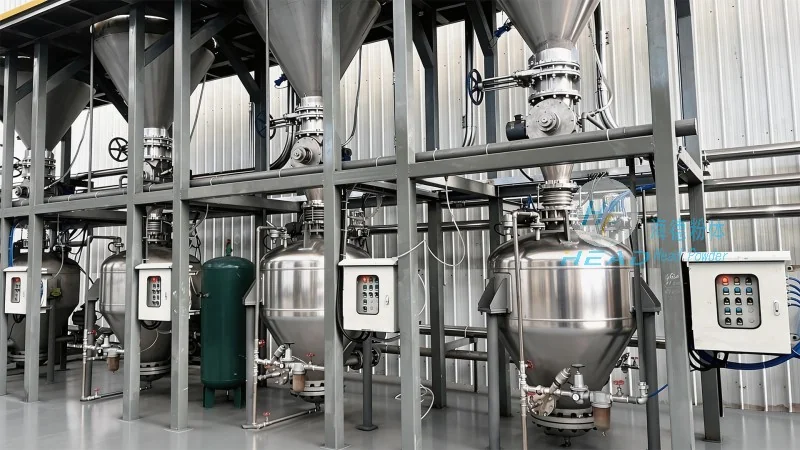
Handling aluminum nitride requires special considerations due to its properties, such as high thermal conductivity and potential for dust generation. The equipment is designed with features to address these challenges:
- Material Compatibility: All components in contact with AlN are made of materials that do not react with or contaminate the powder. Common materials include stainless steel, PTFE, and specialized coatings to prevent adhesion and corrosion.
- Dust Control: Enclosed systems and dust collection mechanisms are used to prevent AlN dust from entering the environment. This is crucial for maintaining air quality and preventing health hazards associated with fine powder inhalation.
- Temperature Management: Since AlN has high thermal conductivity, the equipment is designed to minimize heat transfer to the material. Insulation and temperature-controlled environments are used to prevent thermal degradation of the powder.
- Purity Maintenance: The entire system is constructed to prevent cross-contamination. Cleanroom standards are often applied to the equipment, and regular maintenance is performed to ensure that no foreign particles enter the material stream.
Conclusion
The operation process and working principle of aluminum nitride material handling equipment are critical for ensuring the efficient and safe transport of this high-value material. The specialized equipment from HeadPowder, based in Shandong, China, integrates advanced mechanical and control systems to meet the stringent requirements of modern industries. By understanding the key components, operational steps, and technical considerations, manufacturers can optimize their material handling processes, enhance product quality, and maintain operational efficiency.




