HeadPowder, a leading manufacturer based in Shandong, China, specializes in providing high-efficiency copper powder material conveying systems. The copper powder material conveying line is designed to handle the transportation of copper powder with precision and reliability, ensuring smooth operation in various industrial applications. This article will delve into the detailed operation process and working principle of such a system, highlighting the key components and mechanisms involved.
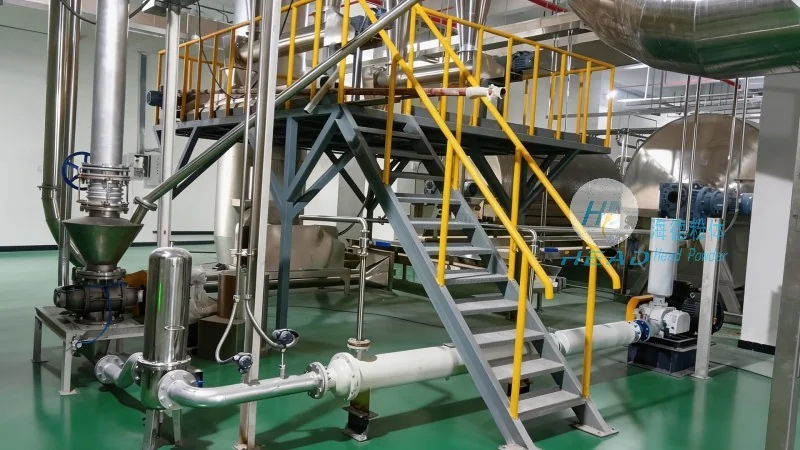
Overview of the Copper Powder Material Conveying Line
The copper powder material conveying line typically consists of several integrated components, including a hopper for material storage, a feeding mechanism to control the flow of copper powder, a conveying device (such as a screw conveyor or pneumatic conveyor) to transport the material, and a discharge system to deliver the copper powder to the next processing stage. Each component plays a crucial role in maintaining the efficiency and safety of the entire conveying process.
The Operation Process of the Copper Powder Conveying Line
The operation process of the copper powder material conveying line begins with the loading of copper powder into the hopper. The hopper is usually equipped with a level indicator to monitor the material volume, ensuring that the feeding process is controlled based on the current inventory. Once the hopper is filled to an appropriate level, the feeding mechanism activates, typically using a rotary valve or a screw feeder to regulate the flow rate of copper powder into the conveying device.
After the copper powder enters the conveying device, it is transported to the discharge point. In a screw conveyor system, for example, the material is moved by rotating screws that push the powder forward along the conveyor tube. The speed of the screw rotation can be adjusted to control the conveying rate, allowing for precise control over the material flow. In pneumatic conveying systems, compressed air is used to create a flow that carries the copper powder through a pipeline, with the air pressure and flow rate determining the conveying efficiency.
Upon reaching the discharge point, the copper powder is released into a receiving container or directly into the subsequent processing equipment. The discharge system is designed to prevent material spillage and ensure a clean transfer, which is essential for maintaining product quality and operational safety. Throughout the operation, sensors and control systems monitor key parameters such as pressure, flow rate, and temperature to ensure that the conveying process operates within optimal conditions.
The Working Principle of the Copper Powder Conveying Line
The working principle of the copper powder material conveying line is based on the physical properties of copper powder and the mechanical forces applied to move the material. The primary goal is to transfer the copper powder from the source to the destination while minimizing material degradation and energy consumption. The system utilizes a combination of gravity, mechanical force, and air pressure to achieve this objective.
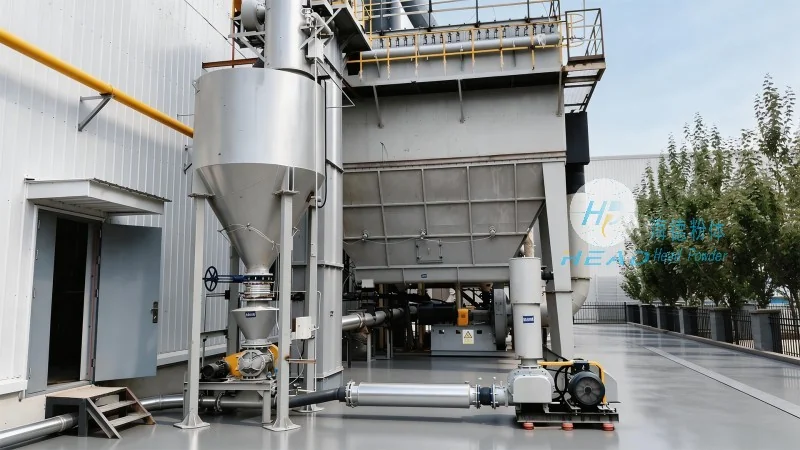
In the case of a mechanical conveying system like a screw conveyor, the working principle involves the rotation of the screw to generate a thrust force that propels the copper powder forward. The screw's pitch and diameter are carefully designed to match the characteristics of the copper powder, ensuring efficient movement without causing excessive friction or particle breakage. The material is confined within the conveyor tube, preventing it from escaping and maintaining a consistent flow.
For pneumatic conveying systems, the working principle relies on the creation of a pressure differential between the inlet and outlet of the pipeline. Compressed air is introduced at the inlet, creating a high-pressure zone that draws the copper powder into the pipeline. The air and powder mixture then travels through the pipeline to the discharge point, where the air is separated from the powder and often recycled back to the inlet for energy efficiency. The velocity of the air and the particle size distribution of the copper powder determine the conveying capacity and efficiency of the system.
Both mechanical and pneumatic conveying systems are designed to handle the specific properties of copper powder, such as its fine particle size and potential for static charge accumulation. Anti-static measures, such as grounding and using conductive materials, are often incorporated into the system to prevent static buildup, which could lead to material sticking or electrical hazards. Additionally, the conveying line is equipped with cleaning mechanisms to remove any residual powder from the components, ensuring long-term operational reliability.
Key Components and Their Functions
The copper powder material conveying line incorporates several key components that work in tandem to ensure efficient operation. The hopper serves as the storage container, providing a controlled environment for the copper powder. It is typically made of stainless steel or other corrosion-resistant materials to prevent contamination and ensure durability. The feeding mechanism, such as a rotary valve or screw feeder, regulates the flow of material from the hopper to the conveying device, preventing overloading and maintaining a consistent feed rate.
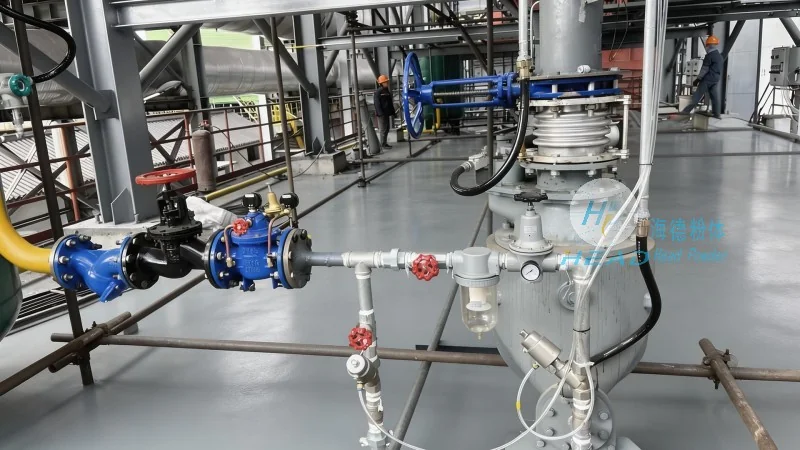
The conveying device, whether a screw conveyor or pneumatic system, is the core of the material transport. Screw conveyors use rotating screws to move the powder, while pneumatic systems rely on compressed air to create a flow. The choice of conveying method depends on factors such as the material's properties, the required conveying distance, and the desired throughput. The discharge system is responsible for delivering the copper powder to the next stage, with features like a discharge valve or outlet nozzle to control the release of the material.
Control systems and sensors are integral to the operation of the conveying line, providing real-time monitoring and adjustment of key parameters. Pressure sensors, flow meters, and level indicators ensure that the system operates within safe and efficient limits. The control panel allows operators to adjust the speed of the conveying device, the air pressure in pneumatic systems, or the feed rate from the hopper, enabling flexible and responsive operation. Safety features, such as emergency stop buttons and overload protection, are also included to prevent accidents and equipment damage.
Benefits and Applications of the Copper Powder Conveying Line
The copper powder material conveying line offers several benefits in industrial applications, particularly in the manufacturing of copper-based products. The system ensures a continuous and controlled flow of copper powder, reducing downtime and improving production efficiency. By minimizing material handling errors and spillage, it helps maintain product quality and reduces waste. The ability to adjust the conveying rate allows for precise control over the material flow, which is crucial in processes where the amount of copper powder directly impacts the final product characteristics.
These conveying systems are widely used in various industries, including electronics manufacturing, where copper powder is used in the production of printed circuit boards (PCBs), and in the metal powder industry, where copper powder is a key component in the production of copper alloys and composites. The reliability and efficiency of the conveying line make it an essential part of the production line, ensuring that copper powder is transported safely and efficiently from the storage to the processing stage.
Conclusion
HeadPowder's copper powder material conveying line is a sophisticated system designed to handle the transportation of copper powder with precision and reliability. Through a combination of mechanical and pneumatic components, the system ensures efficient and safe operation, meeting the demands of modern industrial applications. By understanding the operation process and working principle of the conveying line, users can optimize its performance and maximize its benefits in their production processes. The integration of advanced control systems and safety features further enhances the system's reliability, making it a valuable asset for any facility dealing with copper powder materials.




