Understanding the operation process and working principle of a sodium fluorosilicate material conveying line is crucial for optimizing industrial material handling efficiency. This equipment is designed to safely and effectively transport sodium fluorosilicate, a chemical compound widely used in various industrial applications such as glass manufacturing, water treatment, and chemical synthesis. The conveying line integrates advanced engineering solutions to ensure reliable performance, minimal downtime, and consistent material flow.
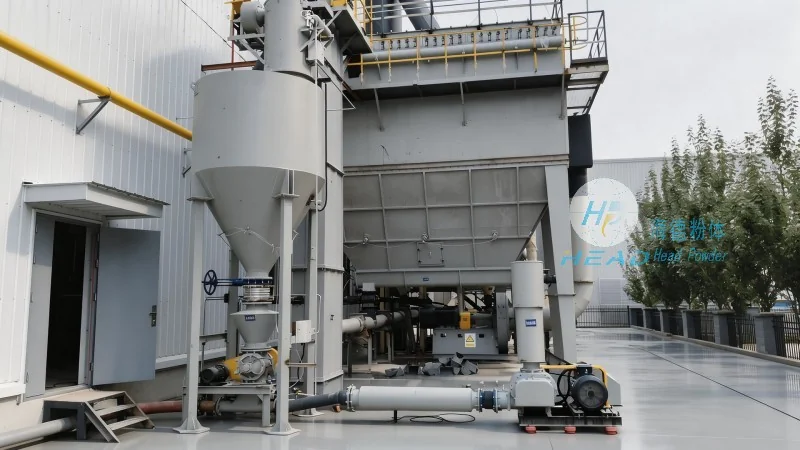
Overview of Sodium Fluorosilicate Material Conveying Systems
Before delving into the operational details, it is essential to understand the core components and design philosophy of a sodium fluorosilicate material conveying line. These systems are typically engineered by specialized manufacturers like Shandong HeadPowder Engineering Co., Ltd., a company with extensive experience in industrial material handling solutions. The system comprises several key elements, including feed hoppers, conveyor belts or screw conveyors, control panels, and discharge mechanisms. Each component is strategically designed to handle the unique properties of sodium fluorosilicate, such as its granular or powdered form, and the potential for dust generation during transport.
Key Components and Their Functions
The effectiveness of a sodium fluorosilicate material conveying line depends on the integration of high-quality components. The feed hopper is the initial stage where raw material is loaded. It is equipped with a level indicator to monitor material volume and a discharge valve to regulate the flow rate. The conveyor system, which may be a belt conveyor or a screw conveyor, is responsible for transporting the material from the hopper to the discharge point. Belt conveyors are often preferred for bulk material handling due to their ability to handle large volumes with minimal maintenance, while screw conveyors are suitable for smaller batches or when vertical lifting is required. The control panel houses the electrical and pneumatic controls, allowing operators to adjust speed, direction, and other parameters to match production demands. Finally, the discharge mechanism ensures that the material is released safely and efficiently, often into a storage silo or processing unit.
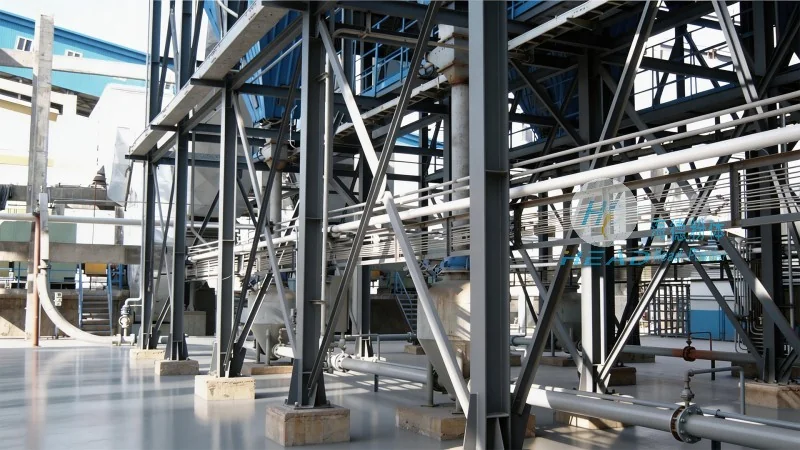
Operation Process: Step-by-Step Guide
The operation of a sodium fluorosilicate material conveying line follows a systematic sequence to ensure smooth and continuous material flow. The process begins with the loading of raw material into the feed hopper. The hopper level is checked to ensure it is within the operational range, and the discharge valve is adjusted to control the feed rate. Once the hopper is filled to the appropriate level, the conveyor system is activated. The speed of the conveyor is set based on the material characteristics and the required throughput. During operation, operators monitor the system for any signs of blockages, overloading, or abnormal noise. If an issue is detected, the control panel allows for immediate shutdown or adjustment to prevent damage to the equipment or material. The conveying process continues until the hopper is empty or the production demand changes, at which point the system is stopped and the hopper is refilled. This cycle repeats continuously to maintain a steady supply of sodium fluorosilicate to downstream processes.
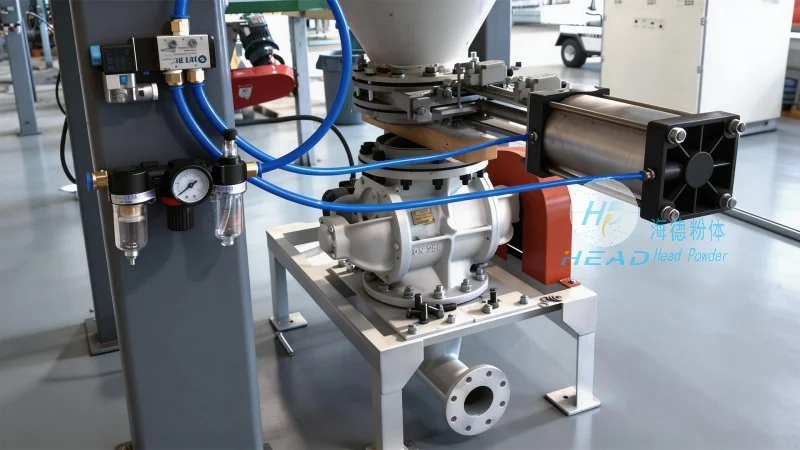
Working Principle: How the System Transfers Material
The working principle of a sodium fluorosilicate material conveying line is based on mechanical energy conversion and material movement. The system utilizes a combination of gravity and mechanical force to transport the material. In belt conveyors, the material is placed on the moving belt and carried to the discharge point by the belt's motion. The speed of the belt is controlled by a motor, which adjusts the torque and speed to match the material's flow characteristics. Screw conveyors operate on a similar principle, where a rotating screw (helix) pushes the material forward. The screw's pitch and diameter are designed to handle the specific properties of sodium fluorosilicate, such as its particle size and density. The control system regulates the motor speed to maintain a consistent material flow rate. Additionally, the system may incorporate dust suppression measures, such as sealing the conveyor and using air curtains, to prevent dust emission and ensure a safe working environment. The discharge mechanism then collects the material and transfers it to the next stage of the production process.
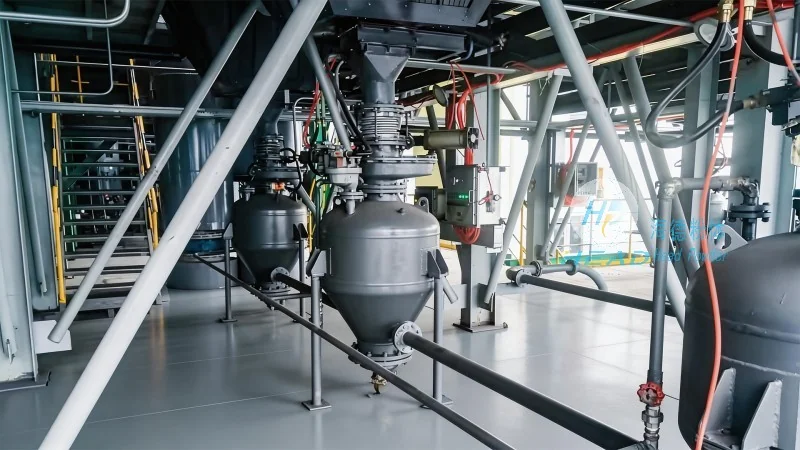
Technical Advantages and Performance Metrics
Shandong HeadPowder Engineering Co., Ltd. designs sodium fluorosilicate material conveying lines with several technical advantages that enhance performance and reliability. One key advantage is the use of corrosion-resistant materials, such as stainless steel or special coatings, to withstand the chemical properties of sodium fluorosilicate and prevent equipment degradation. This ensures long-term durability and minimal maintenance costs. Another advantage is the integration of advanced control systems, which allow for real-time monitoring and adjustment of the conveying process. These systems can detect anomalies and trigger alerts, enabling proactive maintenance and reducing downtime. Performance metrics such as throughput capacity, material handling efficiency, and energy consumption are optimized through careful engineering and testing. The conveying line is designed to handle varying material loads and flow rates, ensuring consistent performance under different production conditions. Additionally, the system's compact design and modular construction allow for easy installation and integration into existing industrial facilities, minimizing disruption to production operations.
Maintenance and Safety Considerations
Proper maintenance and safety measures are critical to the long-term operation of a sodium fluorosilicate material conveying line. Regular maintenance, including cleaning, lubrication, and inspection of components, is essential to prevent wear and tear and ensure optimal performance. The feed hopper and conveyor system should be inspected for signs of wear, such as belt stretching or screw damage, and replaced as needed. The control panel and electrical components should be checked for proper functioning and safety compliance. Safety considerations are paramount due to the potential hazards associated with handling sodium fluorosilicate, such as dust inhalation and chemical exposure. The system should be equipped with dust collection systems and appropriate personal protective equipment (PPE) for operators. Additionally, emergency stop buttons and safety interlocks should be installed to prevent accidents and ensure operator safety. Regular safety training for operators is also recommended to enhance awareness and preparedness.




