HeadPowder, a leading provider in the field, specializes in advanced pneumatic conveying systems designed for efficient powder handling. This article delves into the operation process and working principle of the small bag feeding system, highlighting its key components, operational dynamics, and practical applications.
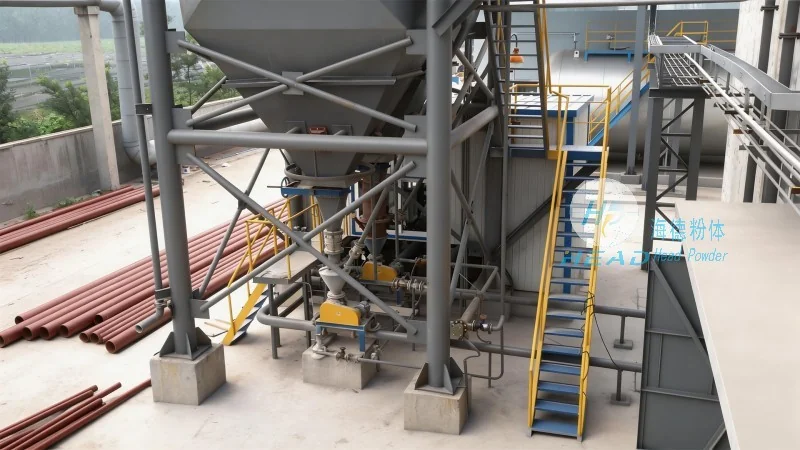
About HeadPowder Engineering Co., Ltd.
HeadPowder is a professional manufacturer and supplier based in Shandong, China. With a strong commitment to technological innovation and quality, the company offers comprehensive solutions for powder processing and material transport. The company's headquarters is located in Shandong, providing a solid foundation for its global service network.
Operation Process of Small Bag Feeding Pneumatic Conveying
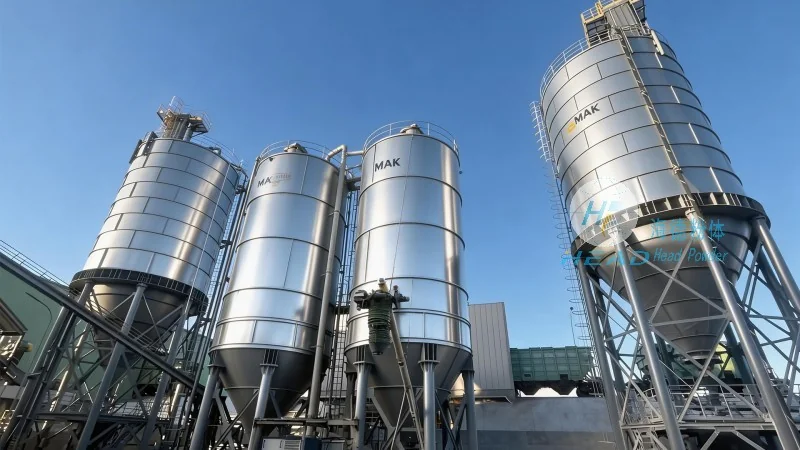
The operation of a small bag feeding pneumatic conveying system involves several precise steps that ensure optimal performance and material handling efficiency. The process starts with the placement of a small bag containing the powder into the feeding hopper. The bag is then opened, and the powder is released into the hopper under controlled conditions. The hopper is equipped with a feeding valve, such as a rotary valve or airlock, which regulates the flow of powder into the main conveying line. This valve ensures a consistent and steady flow rate, preventing overloading or underflow that could disrupt the system. The powder then travels through the pipeline, which is typically made of stainless steel or other corrosion-resistant materials, to minimize material contamination and wear. The pipeline includes various components like bends, elbows, and straight sections, each designed to maintain the flow of the powder-air mixture without causing blockages or pressure losses. At the receiving end, the powder is collected in a receiving hopper, which may be equipped with a discharge valve to control the final output. The entire process is automated, with sensors and controls monitoring the flow rate, pressure, and other parameters to ensure smooth operation. This continuous operation allows for high throughput and reduces downtime, making it suitable for industrial applications where large volumes of powder need to be transported regularly.
Working Principle of the Small Bag Feeding Pneumatic Conveying System
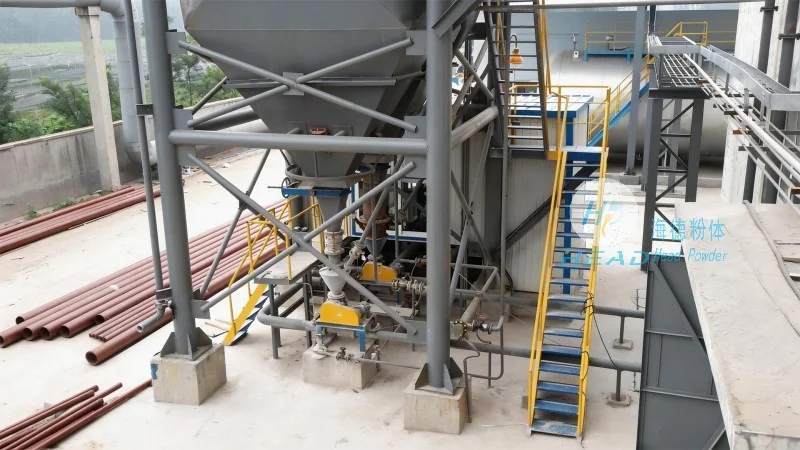
The working principle of this system is centered on the use of compressed air to create a pressure differential that facilitates the transport of dry powders. The system operates under positive or negative pressure, depending on the specific design. In a typical positive pressure system, compressed air is introduced into the conveying line, pushing the powder particles along the pipeline. The small bag feeder acts as the initial source of material, where the powder is drawn into the air stream by the high-pressure air. The airlock or rotary valve in the hopper ensures that the powder is discharged in a controlled manner, preventing any backflow or spillage. The air and powder mixture moves through the pipeline, with the air providing the necessary kinetic energy to move the particles. The pipeline design, including the use of appropriate diameters and smooth surfaces, minimizes friction and pressure losses, ensuring efficient transport. The receiving hopper at the end of the line collects the conveyed powder, and the air is often filtered and recycled to maintain environmental standards and product purity. The system's efficiency is enhanced by the consistent flow rate provided by the small bag feeder, which ensures that the air and powder mixture remains stable throughout the conveying process. This combination of mechanical and pneumatic elements allows the system to handle a wide range of powder characteristics, including fine, cohesive, or abrasive materials, with high reliability and minimal maintenance.
Key Components and Their Functions
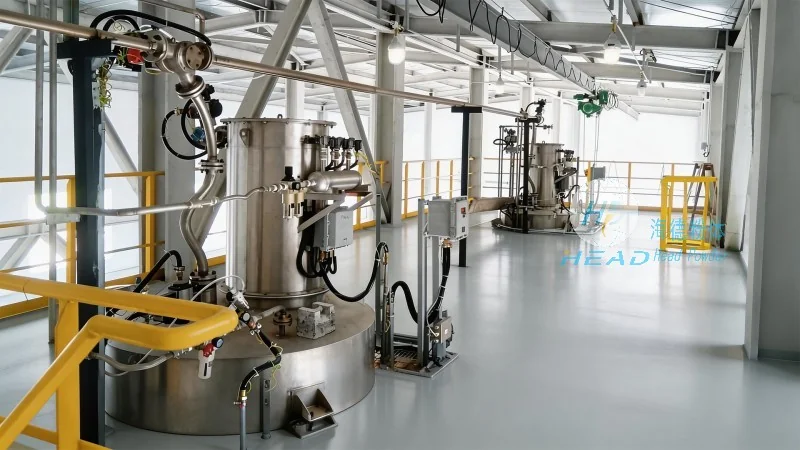
The small bag feeding pneumatic conveying system consists of several critical components, each playing a vital role in the overall operation. The small bag hopper is the primary feeding device, designed to hold and release the powder in a controlled manner. The feeding valve, such as a rotary valve or airlock, regulates the flow rate and prevents backflow. The conveying pipeline, made of durable materials like stainless steel, transports the powder-air mixture. The blower or compressor provides the necessary compressed air to create the pressure differential. The filters and separators remove any fine particles or moisture from the air, ensuring product purity. The receiving hopper collects the final product, and the system may include additional components like pressure regulators and flow meters to monitor and control the operation. Each component is carefully designed and integrated to ensure the system operates efficiently and reliably, minimizing downtime and maintenance costs.




