For industrial applications involving the handling of anhydrous aluminum chloride powder, efficient and reliable material transport is crucial. Pneumatic conveying systems offer a solution that minimizes material degradation and ensures safe operation. This article delves into the operation process and working principle of pneumatic conveying for anhydrous aluminum chloride powder, highlighting the key components and mechanisms involved in the process.
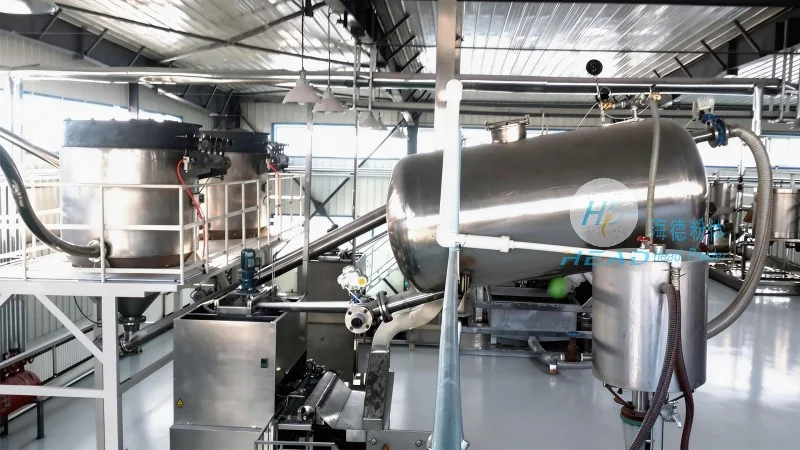
Overview of Pneumatic Conveying Systems
Pneumatic conveying systems are designed to transport bulk materials like anhydrous aluminum chloride powder using a gas stream, typically air or other gases. These systems are widely used in industries such as chemical processing, pharmaceuticals, and food processing due to their ability to handle fine powders without the need for mechanical components that could cause contamination or material breakdown.
Key Components of the Pneumatic Conveying System
The pneumatic conveying system for anhydrous aluminum chloride powder typically consists of several critical components. These include a hopper or feeder for material storage and feeding, a conveyor line (either positive or negative pressure), a separator or filter to remove air from the material stream, and a discharge point for the powder. Each component plays a vital role in ensuring the smooth and efficient transport of the powder.
Operation Process of Pneumatic Conveying for Anhydrous Aluminum Chloride Powder
The operation process begins with the material being fed from the hopper into the conveyor line. The feeder ensures a consistent flow of powder, preventing blockages and maintaining system efficiency. As the powder enters the conveyor line, a gas stream (usually air) is introduced, creating a flow that propels the powder through the system. The velocity of the gas is carefully controlled to ensure the powder particles are fully entrained without causing excessive wear or degradation.
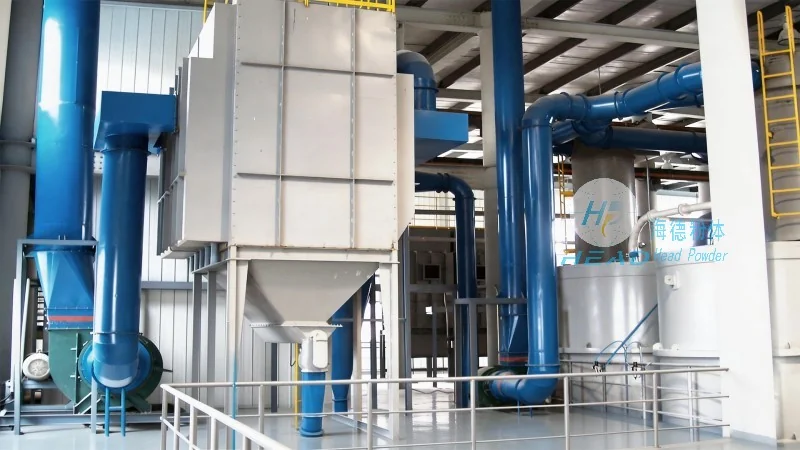
During the conveying process, the powder travels through the pipeline, which may include bends, expansions, or contractions. The system design ensures that the gas velocity remains above the minimum required to keep the powder suspended, preventing settlement or clogging. At the discharge end, the powder is separated from the gas stream using a separator or filter. The separated powder is then collected in a receiving hopper or container, while the air is either recirculated or vented to the atmosphere.
Working Principle of Pneumatic Conveying
The working principle of pneumatic conveying relies on the interaction between the gas stream and the powder particles. In positive pressure systems, air is blown into the conveyor line, creating a high-pressure environment that pushes the powder forward. In negative pressure systems, air is drawn out of the system, creating a vacuum that pulls the powder into the line. For anhydrous aluminum chloride powder, a positive pressure system is often preferred as it provides better control over the material flow and reduces the risk of moisture ingress.
The key to effective pneumatic conveying is maintaining the correct gas velocity. If the velocity is too low, the powder particles may not be fully entrained, leading to settling and blockages. Conversely, if the velocity is too high, it can cause excessive wear on the system components and degrade the powder quality. Proper system design and maintenance are essential to achieve the optimal gas velocity for the specific powder characteristics.
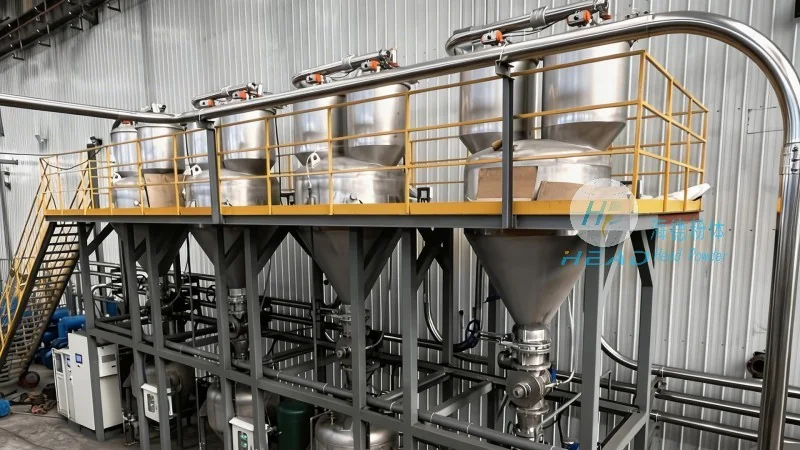
Benefits of Pneumatic Conveying for Anhydrous Aluminum Chloride Powder
Pneumatic conveying offers several advantages when handling anhydrous aluminum chloride powder. These include reduced material degradation due to the absence of mechanical components, improved safety by minimizing dust exposure, and enhanced process control through precise flow regulation. Additionally, the system can be integrated with other processing equipment, allowing for seamless material transfer between stages of the production process.
About Shandong HeadPowder Engineering Co., Ltd.
Shandong HeadPowder Engineering Co., Ltd., operating under the brand name headpowder, is a leading provider of industrial powder handling solutions. With a focus on innovation and quality, the company specializes in designing and manufacturing pneumatic conveying systems tailored to the unique needs of clients in various industries. HeadPowder's expertise in material handling ensures that their systems are efficient, reliable, and compliant with industry standards.
HeadPowder is committed to delivering high-performance solutions that enhance operational efficiency and safety. The company's facilities are located in Shandong, China, where they leverage advanced technology and skilled engineering to develop cutting-edge powder handling equipment. By partnering with HeadPowder, businesses can benefit from customized solutions that optimize their material transport processes and improve overall productivity.




