For industrial applications requiring efficient and reliable transport of bulk powders from large bag containers, pneumatic conveying systems using bulk bags offer a robust solution. This equipment is designed to handle the challenges of moving powders such as cement, flour, or chemical powders with minimal dust and loss. The following sections detail the operational process and working principles of such systems, highlighting key components and their functions.
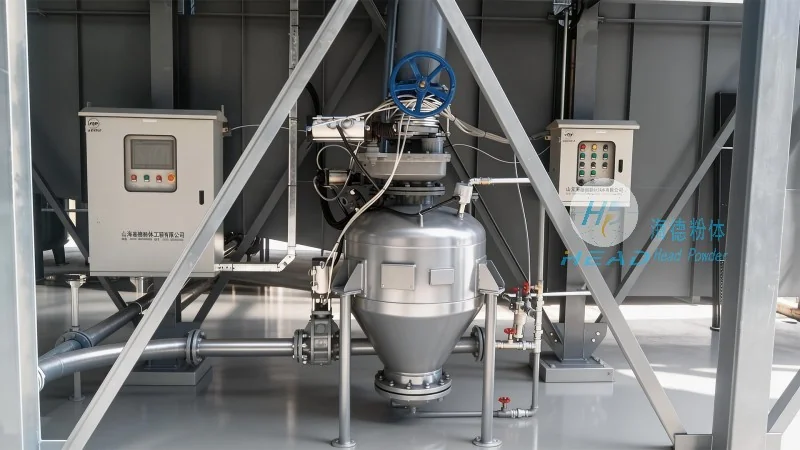
Overview of Bulk Bag Pneumatic Conveying Equipment
Bulk bag pneumatic conveying systems are engineered to transfer bulk materials from a flexible container, typically a FIBC (Flexible Intermediate Bulk Container) or bulk bag, into processing equipment or storage tanks. The system integrates several critical components, including the bulk bag itself, a hopper or receiving chamber, a pneumatic conveying line, and a control system. Each component plays a vital role in ensuring the smooth and efficient transfer of powders.
Key Components and Their Functions
The core components of a bulk bag pneumatic conveying system include:
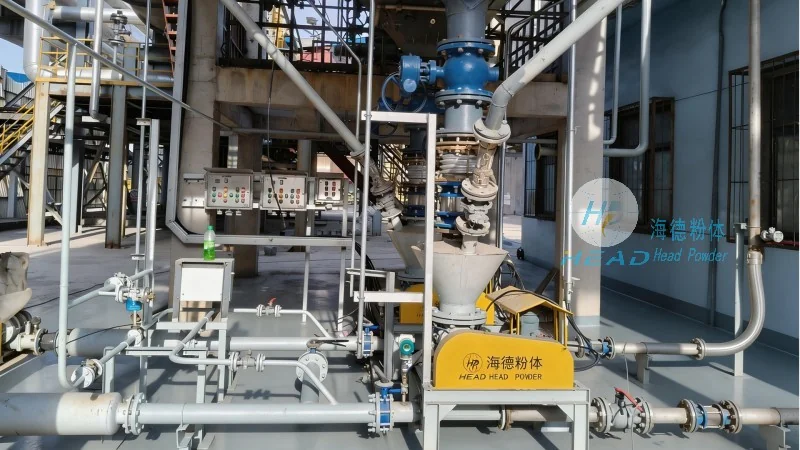
- Bulk Bag (FIBC): The primary container for storing and transporting the powder. These bags are made of durable materials like polypropylene and are designed to withstand the weight and pressure of the material while maintaining integrity during handling.
- Hopper or Receiving Chamber: This component is connected to the bottom of the bulk bag and serves as the initial point of material discharge. It collects the powder as it is released from the bag and funnels it into the pneumatic conveying line.
- Pneumatic Conveying Line: Composed of pipes and fittings, this line is responsible for transporting the powder through the system. The line is typically equipped with air valves, filters, and pressure regulators to control the flow and maintain system efficiency.
- Control System: This includes sensors, valves, and a control panel that monitors and regulates the operation of the system. It ensures that the conveying process is safe, efficient, and can be adjusted based on the material characteristics and operational requirements.
The Operational Process of Bulk Bag Pneumatic Conveying
The operation of a bulk bag pneumatic conveying system involves several sequential steps, each designed to ensure the safe and effective transfer of the powder. The process typically begins with the preparation of the bulk bag, which is filled with the desired powder and sealed at the top. The bag is then placed in the receiving hopper, where the bottom opening is connected to the conveying line.
Once the system is activated, the control system initiates the conveying process. The first step is to create a vacuum or pressure differential within the conveying line. This is achieved by operating the air valves and fans, which draw air through the line and into the hopper. As the air flows, it lifts the powder particles from the hopper and propels them through the conveying line to the destination, such as a silo or processing machine.
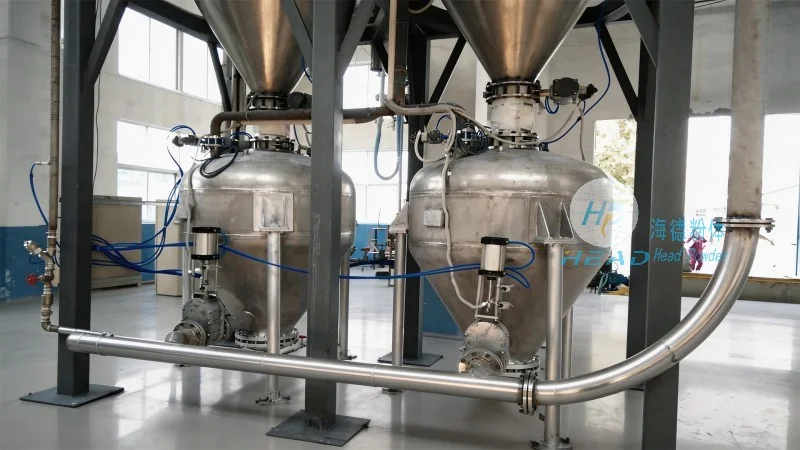
The powder is transported in a stream of air, which helps to prevent caking and maintain the flowability of the material. The speed and pressure of the air are carefully controlled to ensure that the powder moves smoothly without causing excessive wear on the system components. The control system continuously monitors the pressure and flow rates, adjusting the air supply as needed to maintain optimal performance.
As the powder reaches the end of the conveying line, it is discharged into the receiving tank or equipment. The system then returns to a resting state, ready for the next batch of material. The entire process is automated, reducing the need for manual intervention and minimizing the risk of human error or exposure to the powder.
Working Principles of Pneumatic Conveying
The working principle of pneumatic conveying relies on the use of air to transport solid particles. There are two main types of pneumatic conveying systems: pressure and vacuum. The choice of system depends on the distance, height, and material characteristics being conveyed.
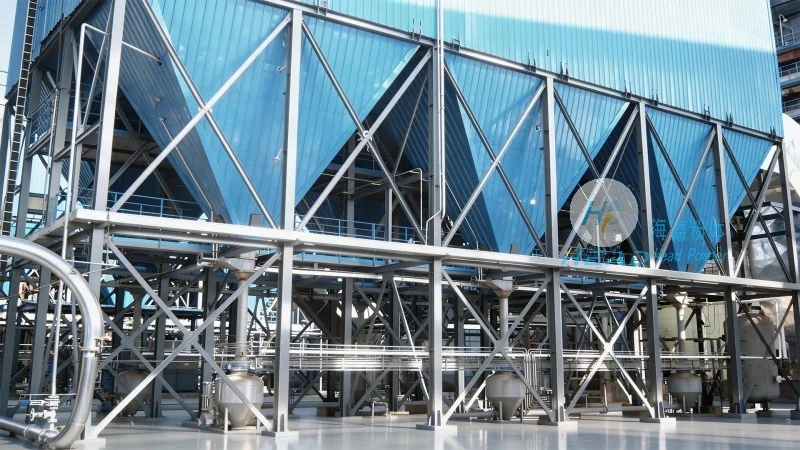
In a pressure system, air is introduced into the conveying line at a higher pressure than the ambient air. This pressurized air pushes the powder through the line, similar to how a water hose transports water. The pressure is maintained by a blower or compressor located at the inlet of the system. Pressure systems are typically used for short to medium distances and are suitable for materials that are non-abrasive and have low dust generation.
Vacuum systems, on the other hand, create a negative pressure within the conveying line, drawing the powder from the hopper into the line. A vacuum pump or fan is used to create this pressure differential. Vacuum systems are ideal for longer distances and for materials that are sensitive to pressure or require gentle handling. They are also effective for conveying materials from multiple sources or at varying heights.




