Shandong HeadPowder Engineering Co., Ltd. specializes in the design, manufacturing, and application of advanced pneumatic conveying systems tailored for fine sand powder materials. The company, known in the industry as HeadPowder, has developed a comprehensive understanding of the unique challenges and requirements associated with transporting fine sand powders efficiently and reliably. This article delves into the operation process and working principle of such equipment, providing insights into how these systems ensure optimal performance in industrial applications.
Understanding Pneumatic Conveying for Fine Sand Powders
Fine sand powder pneumatic conveying equipment is engineered to handle powders with particle sizes typically ranging from 0.1 to 2 millimeters, which often presents challenges in traditional bulk material handling due to their fine nature and potential for dust generation. The core of the system is the ability to use air as the conveying medium, creating a flow that transports the powder from the source to the destination without the need for mechanical components like belts or buckets. This method not only reduces wear and tear on equipment but also minimizes the risk of contamination and material degradation.
The Working Principle of Pneumatic Conveying Systems
The fundamental principle behind pneumatic conveying is the generation of a pressure differential that drives the flow of air and the suspended powder particles. In a typical system, the process begins with the material being fed into a hopper or feeder, where it is then introduced into a pipeline. Simultaneously, a blower or compressor provides the necessary air pressure to create a flow within the pipeline. As the air moves through the system, it picks up the fine sand particles, forming a dense phase or dilute phase flow depending on the system design and operational parameters.
Key Components and Their Roles in the Operation
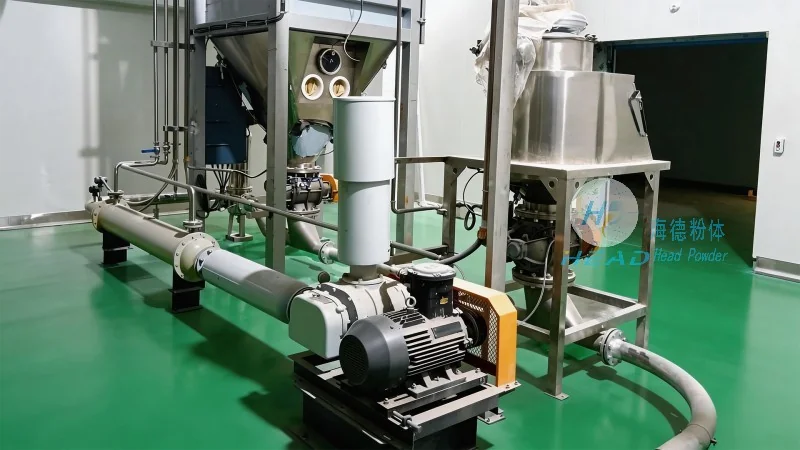
Several critical components work in tandem to ensure the smooth operation of fine sand powder pneumatic conveying equipment. The primary components include the hopper or feeder, which stores and feeds the material; the air supply system (blower or compressor), which generates the conveying air; the pipeline network, which transports the material and air; and the discharge or receiver, where the material is collected. Each component plays a vital role in maintaining the integrity of the conveying process. For instance, the feeder controls the rate of material input, ensuring a consistent flow that matches the air volume. The blower or compressor must provide sufficient pressure to overcome the resistance in the pipeline and the weight of the material. The pipeline design, including its diameter and length, is crucial for maintaining the desired flow velocity and preventing blockages or excessive pressure drops.
Operation Process: From Material Loading to Delivery
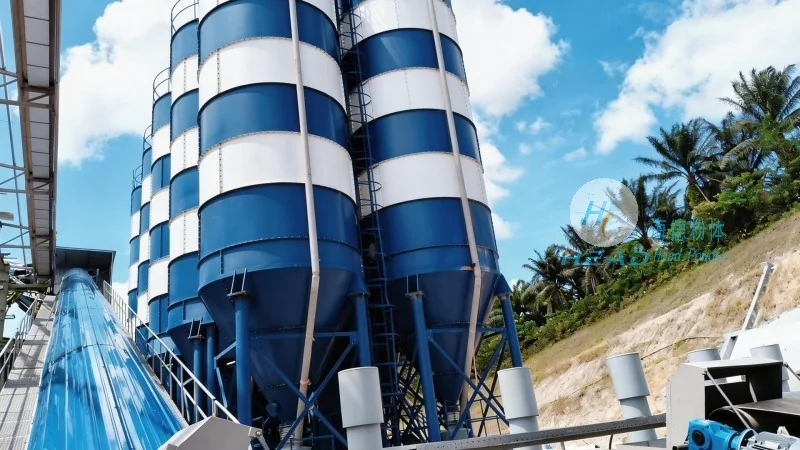
The operation process of fine sand powder pneumatic conveying equipment can be broken down into several sequential steps. First, the fine sand powder is loaded into the hopper or storage silo. The feeder then regulates the flow of material into the conveying pipeline. Simultaneously, the air supply system starts, generating the required pressure to initiate the conveying process. As the air flows through the pipeline, it entrains the fine sand particles, creating a mixture that travels to the discharge point. The discharge or receiver is positioned at the destination, where the material is collected and the air is either filtered and recirculated or vented to the atmosphere. This continuous cycle ensures that the material is transported efficiently from the source to the target location, with minimal downtime and maximum throughput.
Advantages of Fine Sand Powder Pneumatic Conveying Equipment
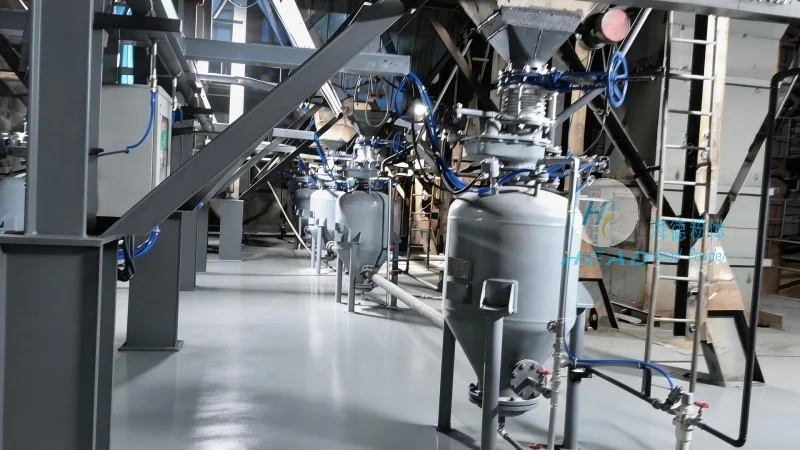
Compared to traditional mechanical conveying methods, fine sand powder pneumatic conveying equipment offers several advantages that make it an ideal choice for many industrial applications. One of the most significant benefits is the ability to handle fine powders without the risk of material degradation or contamination. The enclosed system prevents dust from escaping into the environment, reducing health and safety risks for operators. Additionally, pneumatic conveying systems are highly flexible, allowing for changes in the conveying route or destination without the need for extensive modifications to the infrastructure. The system also provides better control over the material flow rate, which is essential for processes that require precise dosing or batching. Furthermore, the lack of moving parts in the conveying line reduces maintenance requirements and extends the lifespan of the equipment.
Application Considerations and Best Practices
When implementing fine sand powder pneumatic conveying equipment, several factors must be considered to ensure optimal performance and longevity. The first consideration is the particle size distribution and moisture content of the material, as these properties can affect the flow characteristics and the required air pressure. Proper material preparation, such as drying or sieving, may be necessary to ensure consistent performance. The system design must also account for the distance and elevation changes between the source and destination, as these factors influence the pressure requirements and the need for additional components like booster pumps or cyclones. Regular maintenance, including cleaning of the pipeline and filters, is crucial to prevent blockages and maintain the efficiency of the system. Additionally, monitoring the system parameters, such as pressure and flow rate, can help identify potential issues early and prevent downtime.




