Expanded clay aggregate powder pneumatic conveying equipment is a specialized system designed to transport bulk materials like expanded clay aggregates efficiently and safely. This equipment is widely used in industrial applications where reliable material handling is crucial. The following sections will detail the operation process and working principles of such systems, providing insights into how they function and the key components involved.
Introduction to Pneumatic Conveying Systems for Expanded Clay Powder
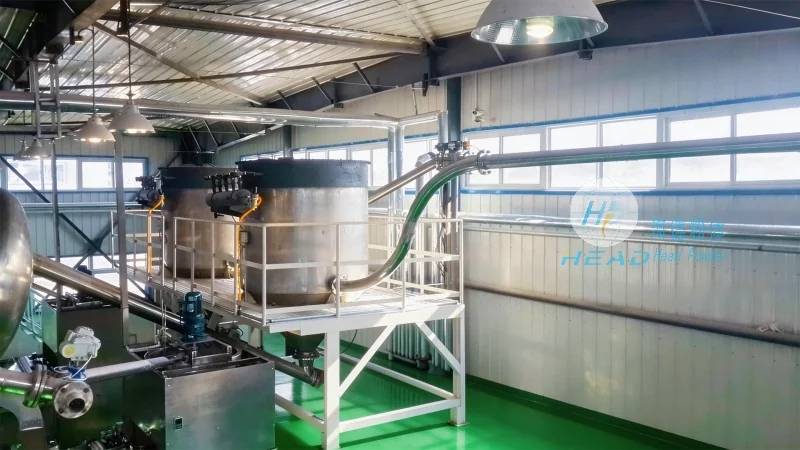
Pneumatic conveying systems utilize air or gas to move powders and granular materials through a pipeline network. For expanded clay aggregate powder, which is a lightweight, porous material, these systems offer advantages such as reduced dust generation, lower maintenance costs, and the ability to transport materials over long distances without the need for mechanical components like belts or buckets. The equipment typically consists of a hopper for material storage, a conveyor line, and a control system to regulate the air flow and material movement.
Key Components of the Pneumatic Conveying Equipment
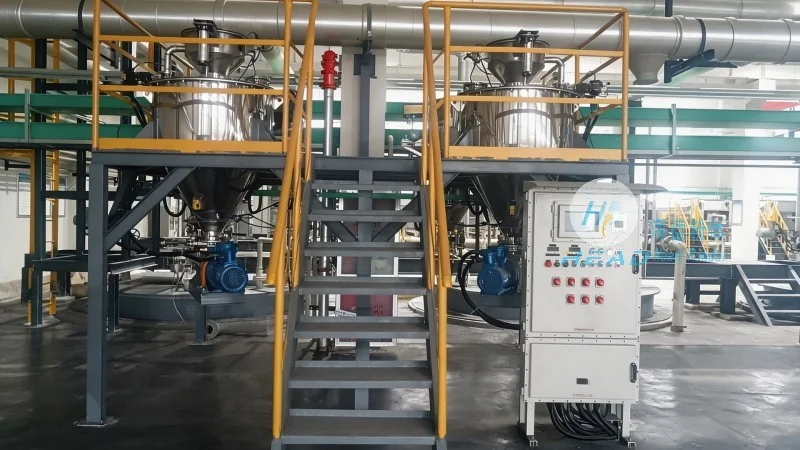
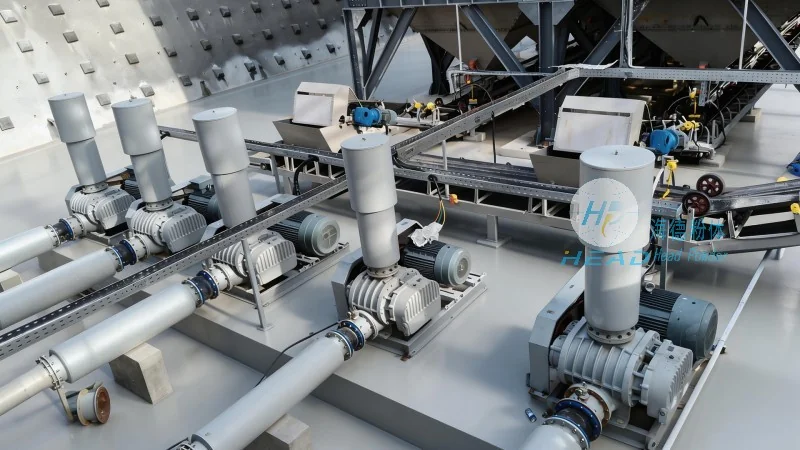
The core components of the expanded clay aggregate powder pneumatic conveying system include the material hopper, which holds the bulk powder; a feeder that controls the discharge rate of the material; a pipeline system that transports the material and air; a blower or compressor that generates the necessary air pressure; and a receiver or discharge hopper where the material is deposited. Each component plays a critical role in ensuring the smooth operation of the system. The hopper is designed to prevent material bridging and ensure consistent feeding, while the feeder regulates the flow rate to match the conveying requirements. The pipeline system is usually made of stainless steel or other corrosion-resistant materials to handle the abrasive nature of the expanded clay powder. The blower or compressor provides the motive force, creating a pressure differential that moves the material through the line. The receiver collects the conveyed material and may include a dust collection system to maintain air quality.
Operation Process of the Pneumatic Conveying Equipment
The operation process of the expanded clay aggregate powder pneumatic conveying equipment begins with the loading of the material into the hopper. The material is then fed into the pipeline by the feeder at a controlled rate. Simultaneously, the blower or compressor starts and generates a flow of air through the pipeline. The air flow creates a negative pressure in the pipeline, which draws the powder particles into the air stream. As the powder is entrained by the air, it moves through the pipeline to the receiver. The velocity of the air is carefully controlled to ensure that the powder particles are fully suspended and transported without settling or causing blockages. The system may include additional components such as in-line mixers or cyclones to separate the material from the air stream at the receiver end. The control system monitors the pressure, flow rate, and material level, adjusting the operation parameters as needed to maintain optimal performance.
Working Principle of the Pneumatic Conveying Equipment
The working principle of the expanded clay aggregate powder pneumatic conveying equipment is based on the principle of fluidization and suspension. When air is introduced into the material in the hopper, it creates a fluidized bed, where the powder particles are suspended and can be moved by the air flow. The blower or compressor provides the necessary pressure to overcome the resistance in the pipeline and to lift the material to the desired height or distance. The velocity of the air must be sufficient to keep the powder particles in suspension, typically ranging from 15 to 30 meters per second for fine powders like expanded clay aggregate. The system operates in either positive pressure or negative pressure mode, depending on the application. Positive pressure systems use the blower to push the material through the pipeline, while negative pressure systems use a vacuum to draw the material. The choice of mode depends on factors such as the distance to be covered, the material properties, and the need to minimize dust emissions.
Advantages of Using Pneumatic Conveying Equipment for Expanded Clay Powder
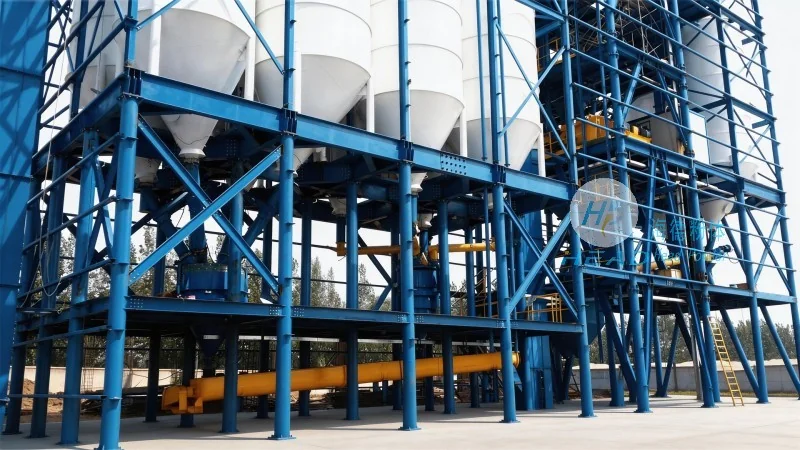
There are several advantages to using pneumatic conveying equipment for expanded clay aggregate powder. First, it provides a dust-free environment, which is crucial for maintaining air quality and worker safety. The enclosed system prevents the release of fine particles into the atmosphere, reducing the risk of respiratory issues and contamination. Second, the equipment is highly efficient in terms of material handling, as it can transport large quantities of material over long distances with minimal labor. Third, the system is flexible and can be easily integrated into existing production lines, allowing for adjustments in the conveying rate and distance as needed. Fourth, the equipment has low maintenance requirements compared to mechanical conveying systems, as there are no moving parts in direct contact with the material. This reduces the risk of wear and tear and extends the lifespan of the system. Finally, the system is energy-efficient, as the blower or compressor can be sized to provide just the necessary air flow, minimizing energy consumption.
Applications of Pneumatic Conveying Equipment in the Industry
The expanded clay aggregate powder pneumatic conveying equipment is widely used in various industrial applications. In the construction industry, it is used to transport expanded clay aggregates for concrete production, where the lightweight and porous nature of the material is beneficial for reducing the weight of the concrete and improving its thermal insulation properties. In the agricultural industry, it is used to transport expanded clay aggregates for soil amendment, where the material helps to improve soil structure and drainage. In the chemical industry, it is used to transport expanded clay aggregates for filtration and adsorption applications, where the material's high surface area and porosity make it effective for removing impurities from liquids. In the pharmaceutical industry, it is used to transport expanded clay aggregates for packaging and filtration, where the material's inertness and low dust generation are important for maintaining product quality.
Conclusion and Company Information
Expanded clay aggregate powder pneumatic conveying equipment is a reliable and efficient solution for handling bulk materials in various industrial applications. The operation process involves loading the material, controlling the feed rate, generating air flow, and transporting the material to the receiver. The working principle is based on fluidization and suspension, where the material is suspended in an air stream and moved through the pipeline. The equipment offers several advantages, including dust-free operation, high efficiency, flexibility, low maintenance, and energy efficiency. It is widely used in industries such as construction, agriculture, chemicals, and pharmaceuticals. Shandong HeadPowder Engineering Co., Ltd., a leading manufacturer of pneumatic conveying equipment, provides high-quality systems tailored to the specific needs of its clients. With its headquarters in Shandong, China, the company specializes in designing and manufacturing equipment that meets the highest standards of performance and reliability. The company's products are known for their durability, efficiency, and ease of maintenance, making them a preferred choice for industrial material handling applications.




