Ammonium nitrate is a widely used industrial chemical, and its efficient handling is crucial for production efficiency and safety. Pneumatic conveying equipment has become a key solution for transporting ammonium nitrate powder due to its ability to handle fine powders with minimal dust and contamination. This article explores the operation process and working principle of such equipment, highlighting the technical aspects and practical applications.
Introduction to Ammonium Nitrate Pneumatic Conveying
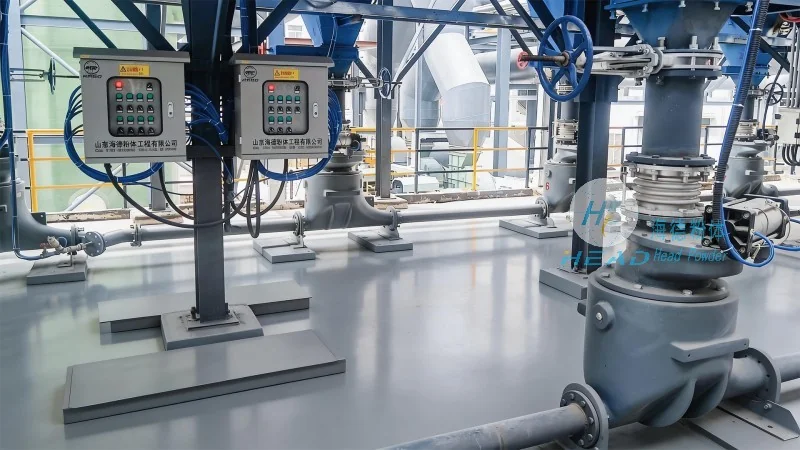
Ammonium nitrate (AN) is a white crystalline solid, commonly used as a fertilizer and in the production of explosives. When handled as a powder, it requires specialized equipment to ensure safe and efficient transport. Pneumatic conveying systems use air or gas to move the powder through a pipeline, eliminating the need for mechanical components like belts or buckets that can cause contamination or damage to the material. The system is designed to maintain the integrity of the ammonium nitrate powder while minimizing the risk of dust explosions and material degradation.
About HeadPowder Engineering
HeadPowder Engineering, a leading provider of powder handling solutions, specializes in designing and manufacturing pneumatic conveying equipment tailored to the needs of the chemical industry. With years of experience in the field, the company has developed advanced systems that meet the stringent requirements of ammonium nitrate handling. HeadPowder Engineering is committed to delivering reliable, efficient, and safe solutions for its clients, ensuring compliance with industry standards and regulations.
The Operation Process of Ammonium Nitrate Pneumatic Conveying Equipment
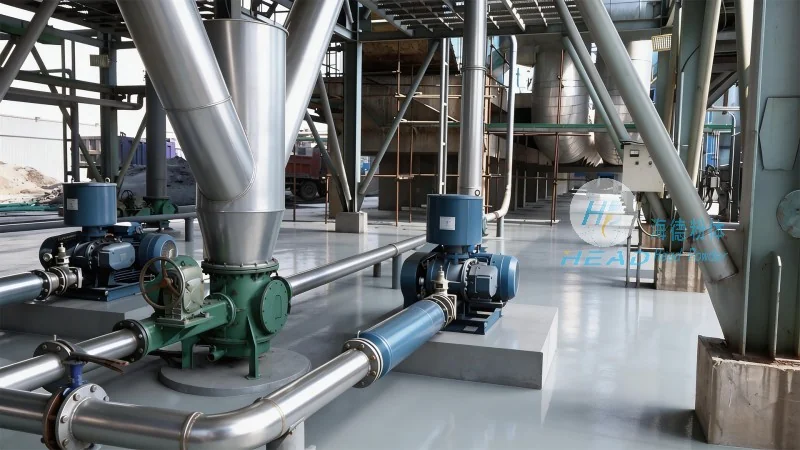
The operation of an ammonium nitrate pneumatic conveying system involves several key steps, each designed to ensure smooth and continuous material transport. The process typically starts with the feeding of the powder into the system. A hopper or feeder is used to control the flow rate of the ammonium nitrate, preventing overloading or underfeeding that could affect system performance. The powder is then drawn into the conveying line by a vacuum or pressure source, depending on the system configuration.
Once inside the pipeline, the powder is mixed with air or gas, creating a slurry that moves through the system. The velocity of the air is critical; it must be sufficient to keep the powder particles suspended and prevent settling or blockages. The conveying line is equipped with components such as bends, elbows, and filters to maintain the flow and prevent material buildup. At the destination point, the powder is separated from the air using a cyclone or other separation device, and the air is then filtered and discharged safely.
The Working Principle of Pneumatic Conveying Systems
The working principle of pneumatic conveying equipment is based on the movement of particles by a fluid (air or gas). In a vacuum system, the air is drawn from the conveying line, creating a negative pressure that pulls the powder into the pipeline. In a pressure system, the air is forced into the line, pushing the powder forward. The key to effective conveying is maintaining the correct air-to-powder ratio, which ensures that the particles remain suspended and the system operates efficiently.
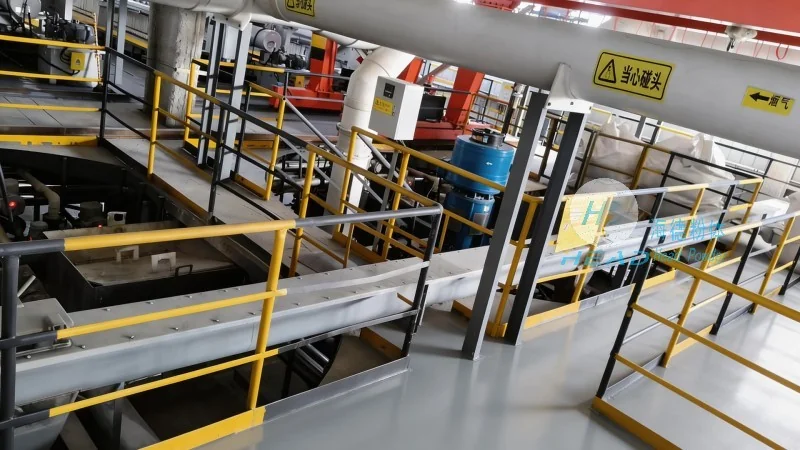
For ammonium nitrate, the system must be designed to handle the specific properties of the powder, such as its density, flowability, and potential for caking. The equipment includes components like rotary valves, airlocks, and filters to control the flow and prevent contamination. The vacuum or pressure source is typically a blower or compressor, which provides the necessary air flow to move the material. The system is also equipped with safety features, such as dust collection systems and explosion-proof components, to ensure safe operation in industrial environments.
Advantages of Ammonium Nitrate Pneumatic Conveying
Using pneumatic conveying equipment for ammonium nitrate offers several advantages over traditional methods. First, it eliminates the need for manual handling, reducing the risk of dust exposure and improving workplace safety. Second, the system is highly efficient, with minimal material loss and low maintenance requirements. Third, the equipment can handle large volumes of powder, making it suitable for industrial-scale operations. Additionally, the system is flexible, allowing for changes in the conveying route or flow rate without major modifications.




