Automatic continuous powder pneumatic conveying machines are advanced industrial equipment designed to transport bulk powders efficiently and reliably. These systems are widely used in various industries, including chemical, food, pharmaceutical, and mining, where the safe and continuous movement of powders is critical. The operation and working principles of such machines are essential for understanding their functionality and optimizing their performance in different applications.
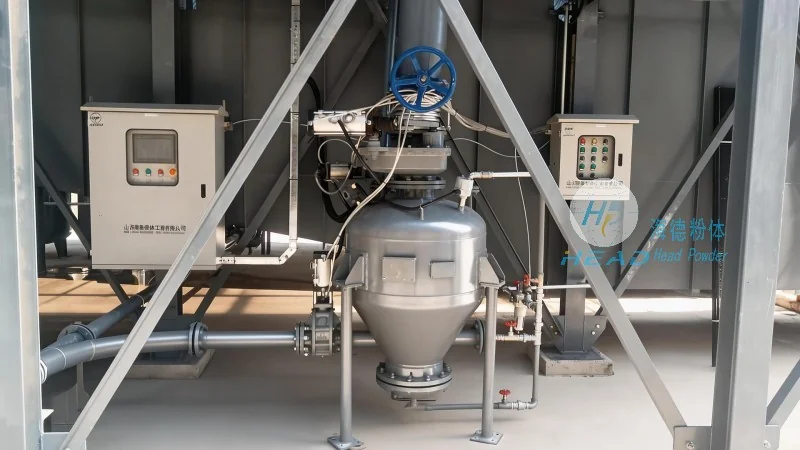
Overview of Automatic Continuous Powder Pneumatic Conveying Systems
Automatic continuous powder pneumatic conveying machines, often referred to as headpowder's advanced solutions, are engineered to handle the transportation of powders in a seamless and controlled manner. These systems integrate multiple components, including a feeding system, a conveying line, and a control unit, to ensure consistent and efficient material transfer. The design focuses on minimizing downtime, reducing material loss, and maintaining product integrity throughout the conveying process.
The Operation Process of the Machine
The operation process of an automatic continuous powder pneumatic conveying machine involves several key steps. First, the powder is fed into the system through a hopper or a feeder, which ensures a steady supply of material. The feeder then regulates the flow rate, preventing overloading or underfeeding that could affect the conveying efficiency. Next, the powder is introduced into the conveying line, where it is mixed with air or gas under pressure. The pressure differential between the inlet and outlet drives the powder particles forward through the pipeline. The conveying line may include bends, elbows, or expansion joints to accommodate changes in direction or elevation, ensuring the smooth movement of the material. Finally, the powder is discharged at the receiving end, where it is collected in a storage bin or a processing unit. The entire process is automated, with the control unit monitoring and adjusting parameters such as pressure, flow rate, and temperature to maintain optimal performance.
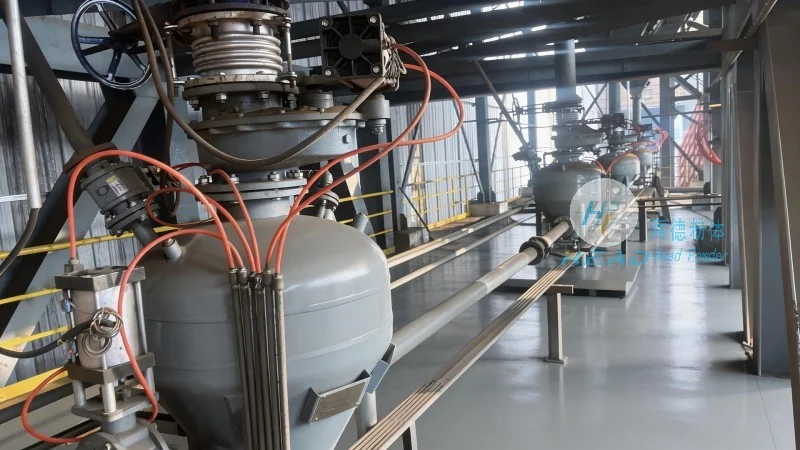
Working Principle of the Pneumatic Conveying System
The working principle of an automatic continuous powder pneumatic conveying machine is based on the principles of fluid dynamics and particle motion. The system operates by creating a pressure difference between the feeding point and the discharge point. Air or gas is supplied under pressure, which creates a flow that entrains the powder particles. The powder particles are suspended in the air stream, and their movement is governed by the velocity of the gas and the size, density, and shape of the particles. The conveying line is typically made of materials such as stainless steel or plastic, which are resistant to corrosion and wear from the powder. The system may use positive pressure, negative pressure, or a combination of both, depending on the application and the distance to be covered. Positive pressure systems are commonly used for short distances and horizontal or slightly inclined conveying, while negative pressure systems are suitable for longer distances and vertical or steeply inclined conveying.
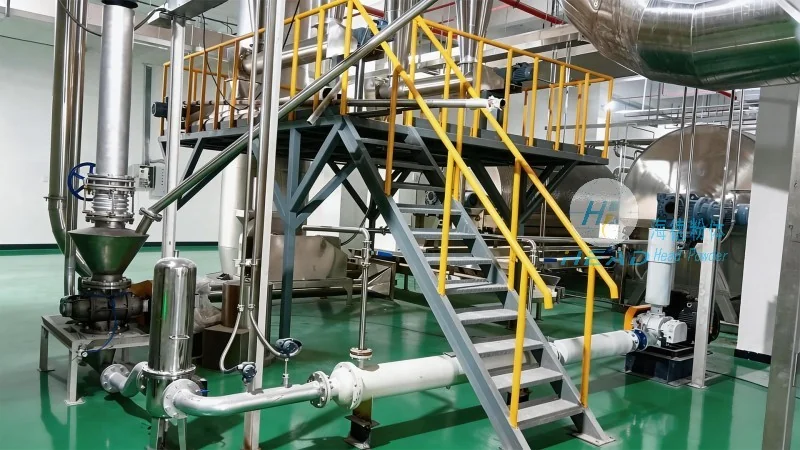
Key Components and Their Functions
Several key components contribute to the efficient operation of an automatic continuous powder pneumatic conveying machine. The feeding system, which includes a hopper and a feeder, ensures a consistent flow of powder into the conveying line. The feeder may be a rotary valve, a screw feeder, or a vibratory feeder, depending on the material characteristics and the required flow rate. The conveying line is the main channel through which the powder and air travel, and it is designed to minimize pressure drop and maintain the flow velocity. The control unit monitors and adjusts the system parameters, such as pressure, flow rate, and temperature, to ensure stable operation. The discharge system, which includes a receiver or a silo, collects the conveyed powder and may include a dust collection system to prevent contamination and environmental issues. The system may also include a filter or a cyclone to separate the powder from the air before it is discharged to the atmosphere.
Benefits and Applications
Automatic continuous powder pneumatic conveying machines offer several benefits in industrial applications. These systems provide a clean and hygienic method of transporting powders, which is essential in the food and pharmaceutical industries where contamination must be minimized. The continuous operation reduces labor costs and increases productivity, as the system can run for extended periods without manual intervention. The equipment is also flexible, allowing for easy integration with existing processing lines and the ability to handle a wide range of powder types and sizes. The systems are suitable for various applications, including the transport of chemicals, food additives, pharmaceutical powders, and mining ores. They can handle both dry and wet powders, and can operate in different environments, from indoor processing facilities to outdoor storage and transfer operations.




