When it comes to transporting aggregate powders, selecting the right conveying method is crucial for efficiency, cost-effectiveness, and operational safety. Various options are available, each with its own set of advantages and limitations. This article explores common aggregate powder conveying methods and highlights the superior features of HeadPowder's pneumatic conveying system, a leading solution in the industry.
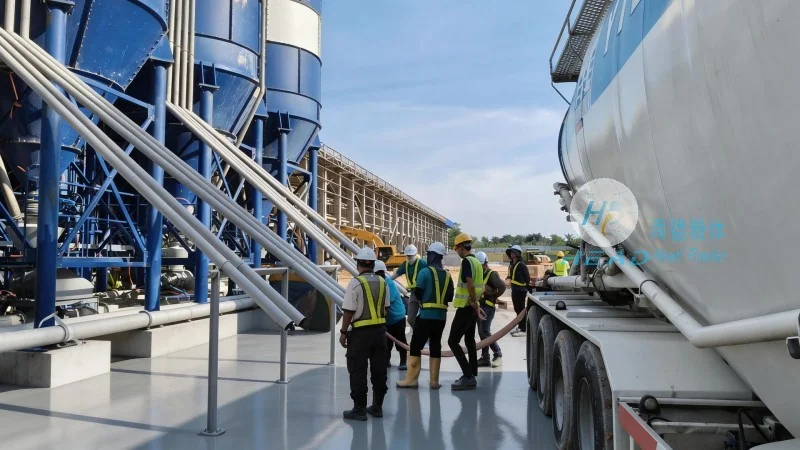
Understanding Different Aggregate Powder Conveying Methods
Aggregate powders, such as sand, gravel, and other fine materials, are widely used in construction, manufacturing, and industrial processes. The choice of conveying method depends on factors like material properties, distance, volume, and environmental considerations. Traditional methods include gravity flow, mechanical systems like belt conveyors and screw conveyors, and more advanced pneumatic systems. Each method has its place, but modern applications increasingly favor pneumatic conveying for its flexibility and efficiency.
Gravity Flow Conveying: A Basic Approach
Gravity flow conveying relies on the natural force of gravity to move materials from a higher to a lower elevation. This method is simple and low-cost, making it suitable for short distances and materials with a relatively high density. However, it is limited by the need for a steep incline and is not suitable for long distances or fine powders that may settle or clog. For aggregate powders, gravity flow is often used in conjunction with other systems or for short, horizontal or slight incline applications.
Mechanical Conveying Systems: Belt and Screw Conveyors
Mechanical conveyors, including belt and screw conveyors, are widely used in bulk material handling. Belt conveyors use a continuous belt to transport materials horizontally or at a slight incline, while screw conveyors utilize a rotating screw to move materials in a vertical or horizontal direction. These systems are robust and reliable, capable of handling a wide range of materials, including aggregates and powders. However, they have limitations when dealing with fine powders, as they can cause dust generation and material degradation. Additionally, mechanical systems require regular maintenance and may be less flexible in terms of layout changes.
Pneumatic Conveying: The Advanced Solution
Pneumatic conveying uses air or gas to transport materials through a pipeline. This method is highly flexible, allowing for vertical, horizontal, or complex path movements. It is particularly effective for fine powders and aggregates, as it minimizes dust, reduces material degradation, and provides a clean and efficient transfer process. Pneumatic systems can be categorized into pressure and vacuum types, each with specific applications. For aggregate powders, pressure pneumatic conveying is often preferred for its ability to handle high volumes and long distances with minimal pressure drop.
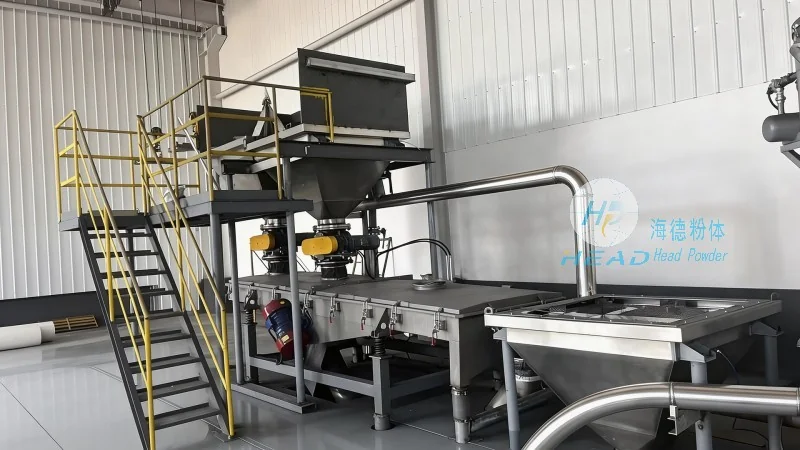
HeadPowder's Pneumatic Conveying System: Key Advantages
HeadPowder, a leading manufacturer of pneumatic conveying equipment, offers advanced solutions tailored to the needs of aggregate powder handling. The company's systems are designed with precision engineering to ensure optimal performance and reliability. Key advantages of HeadPowder's pneumatic conveying system include:
1. Efficient Material Transfer: The system efficiently transports aggregate powders over long distances with minimal pressure loss, ensuring consistent flow rates and reduced energy consumption.
2. Low Maintenance Requirements: Advanced components and robust construction result in lower maintenance costs and longer equipment lifespan, minimizing downtime and operational expenses.
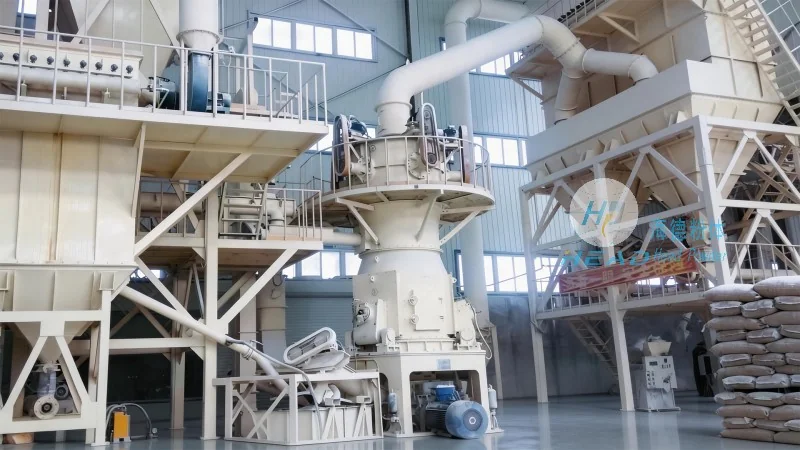
3. Reduced Dust and Environmental Impact: Pneumatic conveying minimizes dust generation compared to mechanical systems, contributing to a cleaner working environment and compliance with environmental regulations.
4. Flexibility and Customization: HeadPowder's systems can be customized to fit specific operational requirements, including varying material types, flow rates, and system layouts, providing tailored solutions for diverse applications.
5. Enhanced Safety Features: The system incorporates safety mechanisms to prevent material blockages, overpressure, and other potential hazards, ensuring safe and reliable operation in industrial settings.
Conclusion: Choosing the Right Conveying Method for Aggregate Powders
When selecting a conveying method for aggregate powders, it is essential to consider the specific requirements of the application, including material properties, distance, and operational constraints. While traditional methods like gravity flow and mechanical conveyors have their uses, pneumatic conveying, particularly from a trusted provider like HeadPowder, offers superior performance, efficiency, and reliability. By leveraging advanced pneumatic technology, businesses can optimize their material handling processes, reduce costs, and enhance overall operational efficiency.




