HeadPowder, a leading engineering company based in Shandong, China, specializes in the design and manufacturing of advanced pneumatic conveying systems for ammonia fertilizer materials. Our equipment is engineered to ensure efficient, safe, and reliable transport of bulk ammonia fertilizer, meeting the stringent requirements of modern agricultural and industrial applications. The pneumatic conveying system is a critical component in the supply chain for ammonia-based fertilizers, enabling seamless material handling from storage to processing and distribution.
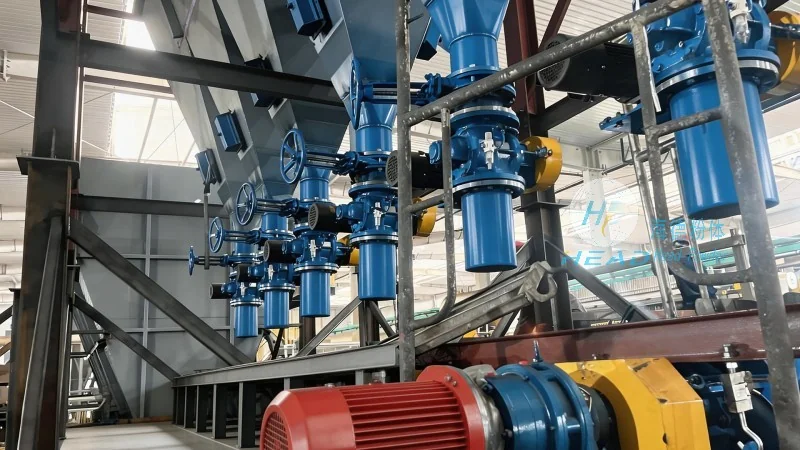
Key Components and Structure of the Pneumatic Conveying System
The ammonia fertilizer material pneumatic conveying equipment typically consists of several key components, each playing a vital role in the overall operation. These include the hopper for material storage, a rotary valve or feeder to control the flow rate, a pipeline system for transporting the material, a pressure vessel or receiver to collect the conveyed material, and a blower or air compressor to generate the necessary air pressure. The system is designed with robust materials, such as stainless steel or corrosion-resistant alloys, to withstand the chemical properties of ammonia fertilizer and ensure long-term durability.
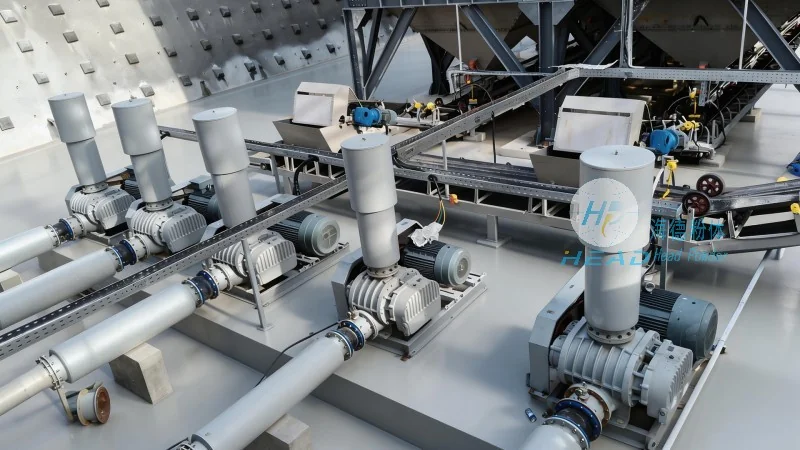
Operation Process of the Pneumatic Conveying Equipment
The operation process of the ammonia fertilizer material pneumatic conveying system begins with the loading of the fertilizer into the hopper. The rotary valve or feeder then regulates the material flow, ensuring a consistent feed rate into the pipeline. The blower or air compressor generates high-pressure air, which is introduced into the pipeline. As the air flows through the system, it lifts and transports the ammonia fertilizer particles through the pipeline to the receiving vessel. The pressure vessel collects the conveyed material, and the air is then filtered and recycled back to the blower, minimizing energy consumption and environmental impact. The entire process is automated, with sensors and control systems monitoring parameters such as pressure, flow rate, and temperature to maintain optimal performance and safety.
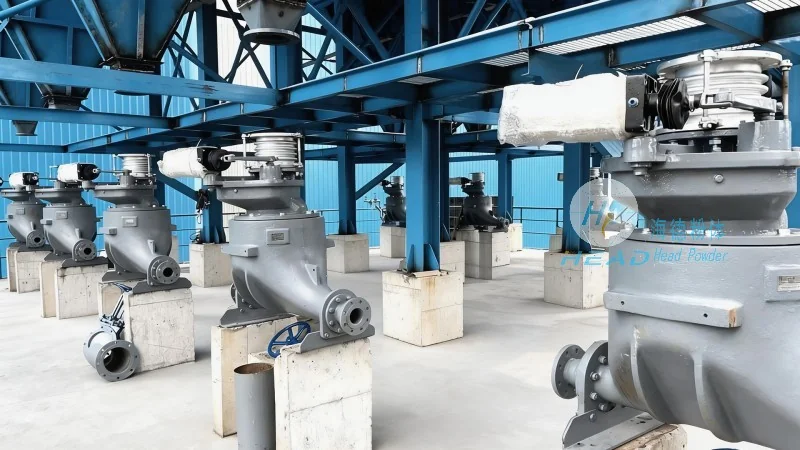
Working Principle of the Pneumatic Conveying System
The working principle of the ammonia fertilizer material pneumatic conveying equipment is based on the principle of pneumatic transport, where material is conveyed using a stream of air. The system operates under positive pressure, meaning the air pressure in the pipeline is higher than the ambient pressure. The blower or air compressor provides the necessary air pressure, which creates a flow of air through the pipeline. The ammonia fertilizer particles are entrained in the air stream and transported along the pipeline. The velocity of the air is crucial; it must be sufficient to lift and carry the particles without causing excessive wear or degradation of the material. The system is designed to handle various particle sizes and moisture contents, ensuring efficient and reliable transport. The pressure vessel at the end of the pipeline collects the material, and the air is filtered and returned to the system, completing the cycle. This closed-loop system minimizes dust emissions and ensures compliance with environmental regulations.
Advantages of Using Pneumatic Conveying for Ammonia Fertilizer
Implementing a pneumatic conveying system for ammonia fertilizer offers several advantages over traditional methods like belt conveyors or bucket elevators. Firstly, it provides a dust-free and enclosed transport process, reducing the risk of contamination and improving workplace safety. Secondly, the system is highly efficient, with minimal material loss and lower energy consumption compared to other methods. Thirdly, it allows for flexible and scalable operations, as the system can be easily expanded or modified to accommodate changing production volumes. Additionally, the automated control systems enhance operational reliability and reduce the need for manual intervention, leading to increased productivity and cost savings for the end-user.
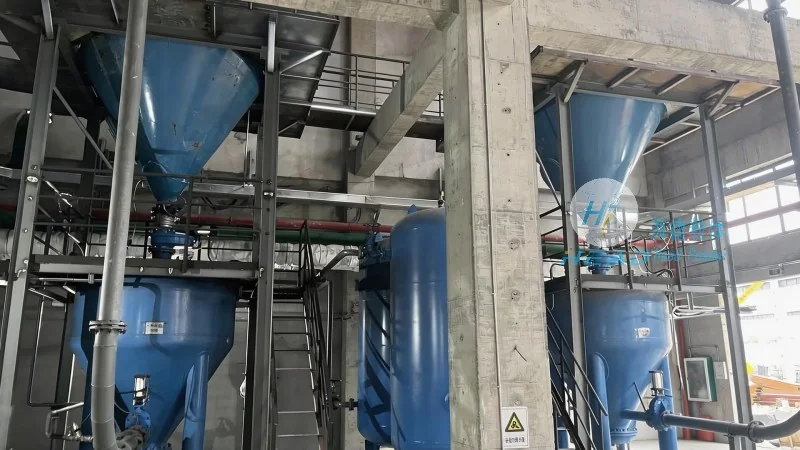
Application Scenarios and Industry Impact
The ammonia fertilizer material pneumatic conveying equipment is widely used in various industries, including agricultural fertilizer production, chemical manufacturing, and bulk material handling. In agricultural settings, it facilitates the efficient transport of ammonia-based fertilizers from storage silos to processing plants or distribution centers. In chemical manufacturing, it supports the handling of bulk chemicals, ensuring smooth operations in production lines. The system's ability to handle high volumes of material with minimal downtime makes it an essential tool for industries that require consistent and reliable material flow. By improving the efficiency of material handling, the pneumatic conveying system contributes to the overall productivity and profitability of the operations, while also reducing environmental impact through its enclosed and dust-free design.




