HeadPowder, a leading manufacturer based in Shandong, China, specializes in the design and production of advanced pneumatic conveying equipment tailored for iron concentrate powder. This equipment is essential for efficient material handling in mining and processing industries, ensuring safe and reliable transport of iron concentrate from storage to processing units.
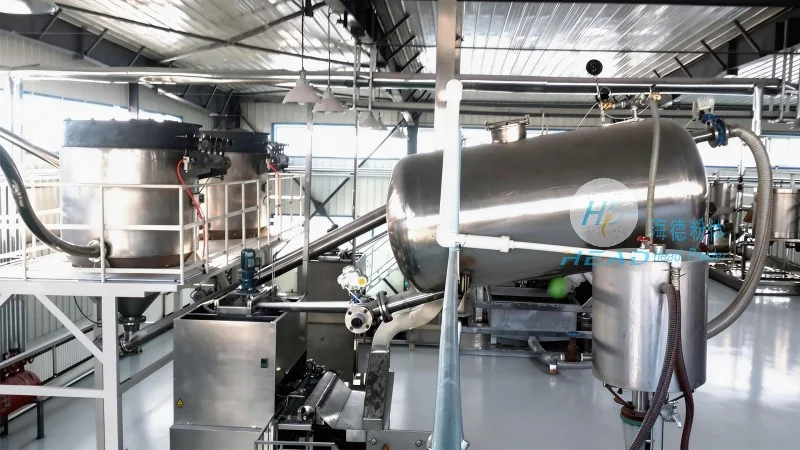
Overview of Pneumatic Conveying Systems
Pneumatic conveying systems utilize air or gas as the primary medium to transport bulk materials like iron concentrate powder. Unlike traditional mechanical conveyors, these systems offer advantages such as flexibility in layout, reduced maintenance, and the ability to handle materials that are dusty or have special handling requirements. The core components of a typical pneumatic conveying system include a material feeder, a conveying line, a separation or collection device, and a control system. Each component plays a critical role in ensuring the smooth and efficient operation of the entire system.
Working Principle of Pneumatic Conveying Equipment
The operation of pneumatic conveying equipment for iron concentrate powder is based on the principle of air flow and pressure differentials. The process begins with the material feeder, which introduces iron concentrate powder into the conveying line. The feeder may be a rotary valve or a screw feeder, designed to control the flow rate of the material. As the material enters the conveying line, a high-pressure air stream is introduced, typically from a blower or compressor. This air stream creates a pressure differential that propels the iron concentrate particles through the pipeline. The air and material mixture travels through the conveying line, which may include bends, expansions, or reductions to guide the flow. At the receiving end, a separation device, such as a cyclone or a bag filter, separates the iron concentrate powder from the air stream, allowing the powder to be deposited in the target location while the air is either recirculated or vented.
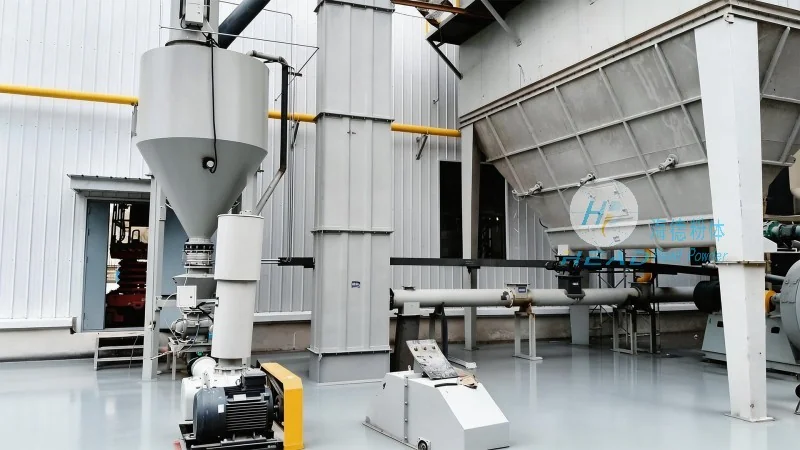
Key Components and Their Functions
Several key components are integral to the efficient operation of pneumatic conveying equipment for iron concentrate powder. The material feeder is responsible for accurately metering the iron concentrate into the system, preventing overloading or underloading that could affect the conveying efficiency. The blower or compressor provides the necessary air pressure and volume to move the material through the pipeline. The conveying line, often made of stainless steel or other corrosion-resistant materials, ensures durability and resistance to the abrasive nature of iron concentrate. The separation device, such as a cyclone separator, uses centrifugal force to separate the solid particles from the air, ensuring that the iron concentrate is collected without loss. The control system monitors and regulates the air pressure, material flow, and other parameters to maintain optimal operation and prevent system failures.
Operation Process of the Equipment
The operation of pneumatic conveying equipment for iron concentrate powder follows a systematic process. Initially, the system is started by activating the blower or compressor, which builds up the air pressure in the conveying line. Simultaneously, the material feeder is activated to introduce the iron concentrate powder into the system. The control system monitors the pressure and flow rates, adjusting the air supply as needed to maintain a consistent material flow. As the iron concentrate travels through the pipeline, it is transported to the receiving hopper or processing unit. At the end of the conveying cycle, the system is stopped by reducing the air pressure and stopping the material feeder. The separation device then collects the iron concentrate, which is then transferred to the next stage of processing. The air stream may be recirculated back to the blower to conserve energy and reduce emissions.
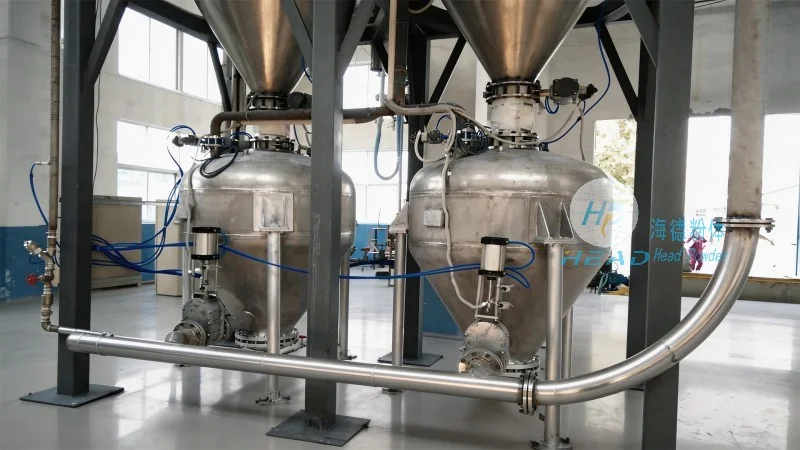
Advantages and Applications
Pneumatic conveying equipment for iron concentrate powder offers several advantages over traditional conveying methods. These include reduced material handling time, improved safety by minimizing manual handling, and the ability to transport materials over long distances without the need for multiple transfer points. The equipment is widely used in mining and processing facilities where iron concentrate needs to be moved from storage silos to crushers, ball mills, or other processing equipment. The flexibility of the system allows for easy integration into existing plant layouts, and the compact design of the components makes it suitable for both new installations and retrofit applications.
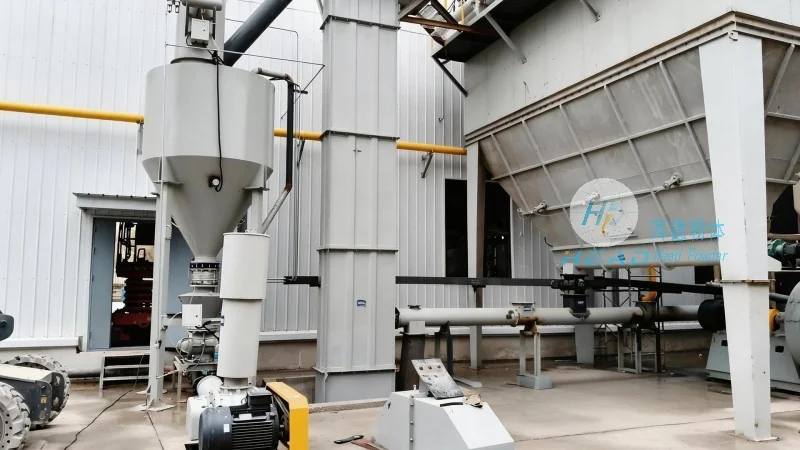
Maintenance and Operational Considerations
To ensure the reliable and long-term operation of pneumatic conveying equipment for iron concentrate powder, regular maintenance is essential. This includes checking the blower or compressor for proper air pressure and flow, inspecting the material feeder for blockages or wear, and cleaning the separation device to prevent clogging. The conveying line should be inspected for any signs of wear or damage, such as corrosion or abrasion, which could affect the system's performance. Proper maintenance not only extends the lifespan of the equipment but also ensures consistent material quality and reduces downtime. Additionally, the control system should be calibrated regularly to maintain optimal operation and prevent over or under-pressurization, which could lead to system failures or material loss.
Conclusion
HeadPowder's pneumatic conveying equipment for iron concentrate powder represents a reliable and efficient solution for material handling in the mining and processing industries. By leveraging advanced design and engineering, the equipment ensures safe and effective transport of iron concentrate, contributing to improved productivity and reduced operational costs. With its headquarters in Shandong, China, HeadPowder continues to provide high-quality equipment tailored to the specific needs of its clients, supporting the global demand for iron concentrate processing.




