HeadPowder, a professional manufacturer based in Shandong, China, specializes in the design, production, and installation of advanced material handling systems, including pneumatic conveying lines for industrial applications. This article provides a detailed overview of the operation process and working principle of a gray silo material pneumatic conveying line, highlighting the key components, operational steps, and technical aspects that ensure efficient material transport in various industrial settings.
Introduction to Pneumatic Conveying Systems
Pneumatic conveying lines are essential for transporting bulk materials such as powders, granules, and fine particles from one location to another within industrial facilities. These systems utilize compressed air or other gases to move materials through a network of pipes, eliminating the need for mechanical components like belts or buckets. The gray silo material pneumatic conveying line, in particular, is designed to handle materials stored in large silos, ensuring a continuous and controlled flow of material to processing or packaging areas. The system integrates seamlessly with existing industrial infrastructure, offering flexibility and adaptability to meet diverse production requirements.
Key Components of the Gray Silo Material Pneumatic Conveying Line
The gray silo material pneumatic conveying line consists of several critical components that work in tandem to facilitate efficient material transport. These components include:
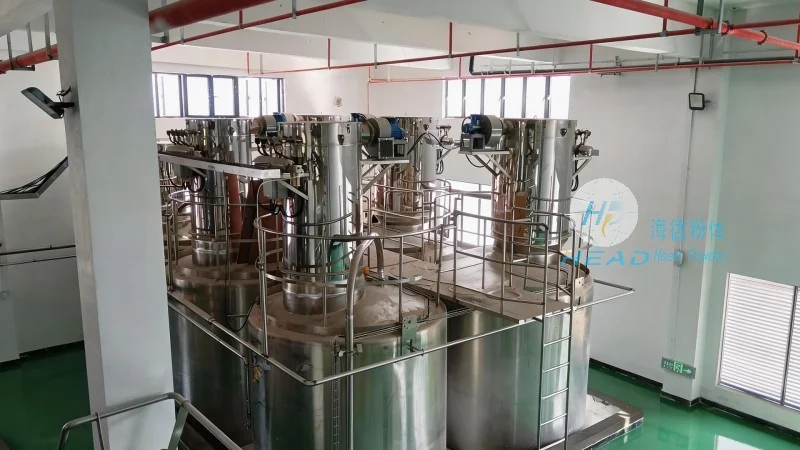
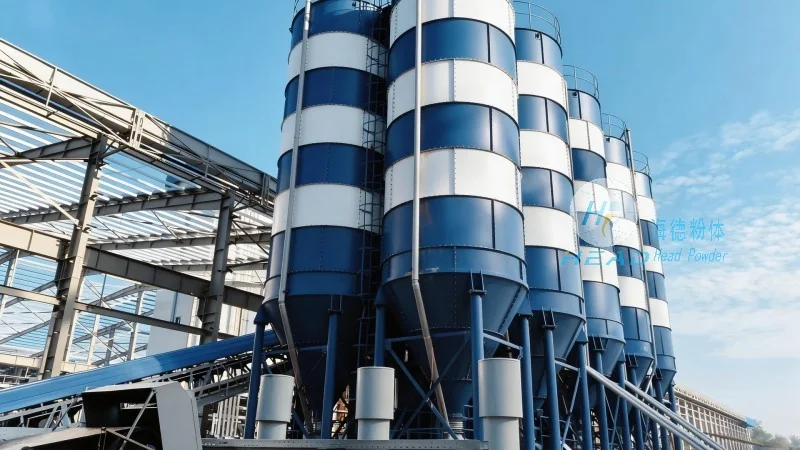
- Material Silo: The primary storage unit where bulk materials are held before being conveyed. The silo is typically made of durable materials like steel or reinforced concrete, designed to withstand the weight and pressure of stored materials. It features a hopper at the bottom to facilitate material discharge and is equipped with level indicators to monitor material levels.
- Conveying Pipe Network: A series of pipes that form the main transport pathway for the material. The pipes are usually made of stainless steel or other corrosion-resistant materials to ensure longevity and prevent material contamination. The network includes vertical and horizontal sections, with appropriate bends and elbows to direct the material flow efficiently. The pipe diameter and length are carefully selected based on the material properties, such as particle size, density, and flowability, to optimize conveying efficiency.
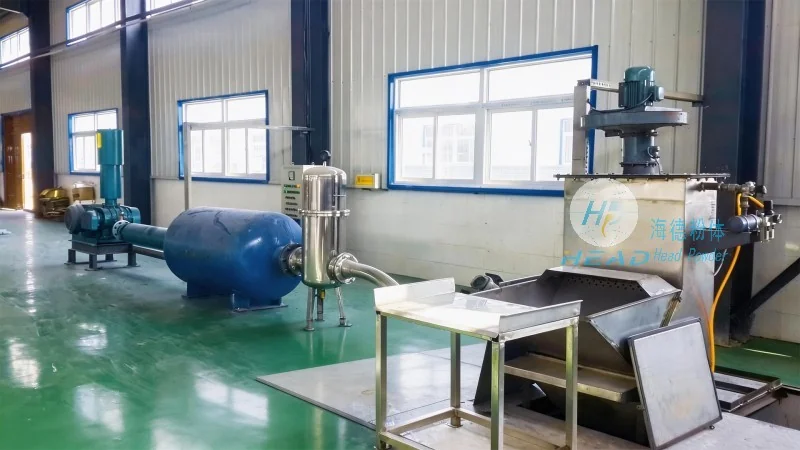
- Air Supply System: This component generates and regulates the compressed air or gas used to move the material. It typically includes an air compressor, a filter system to remove contaminants, and a pressure regulator to maintain consistent air pressure. The air supply system is crucial for ensuring the material is adequately propelled through the pipes without causing excessive wear or energy consumption.
- Material Feed Unit: The device responsible for introducing the material into the conveying pipe. This unit may include a rotary valve or a feeder that controls the flow rate of material from the silo to the pipe. The feed unit is designed to minimize material spillage and ensure a consistent feed rate, which is essential for maintaining the stability of the conveying process.
- Control System: An integrated control panel that monitors and regulates the operation of the entire system. The control system includes sensors to detect material levels, air pressure, and flow rates, as well as control valves to adjust the air supply and feed rate. It allows operators to monitor the system's performance in real-time and make adjustments as needed to optimize efficiency and prevent downtime.
- Receiving Hopper or Storage Bin: The final destination where the conveyed material is deposited. This unit is typically designed to accommodate the volume of material being transported and may include a discharge valve or outlet for further processing or packaging. The receiving hopper is often equipped with level indicators and may be connected to additional processing equipment to ensure a smooth transition from conveying to downstream operations.
Operation Process of the Gray Silo Material Pneumatic Conveying Line
The operation of the gray silo material pneumatic conveying line follows a systematic sequence of steps to ensure efficient material transport. The process begins with the material being stored in the silo, where it is held until needed. Once the material is ready to be conveyed, the following steps are executed:
- Material Preparation: The material in the silo is agitated or mixed to ensure uniform consistency. This step is crucial for preventing material bridging or caking, which can disrupt the conveying process. The silo may be equipped with a agitator or a vibration system to maintain material flowability.
- Initiation of Air Supply: The air compressor is activated, and the pressure regulator adjusts the air pressure to the optimal level for the material being conveyed. The air pressure is typically maintained between 0.5 to 1.5 bar, depending on the material properties and pipe length.
- Material Feeding: The rotary valve or feeder opens, allowing material to flow from the silo into the conveying pipe. The feed rate is controlled by the control system to match the air flow rate, ensuring a consistent material-air mixture.
- Conveying Phase: The compressed air propels the material through the pipe network. The material is suspended in the air stream and transported to the receiving hopper. The velocity of the air and the particle size of the material determine the conveying velocity, which is typically maintained at a level that prevents material deposition or blockage in the pipes.
- Material Deposition: Upon reaching the receiving hopper, the material is deposited and collected. The control system monitors the material level in the hopper and may trigger additional feeding or processing steps as needed.
- System Shutdown: Once the conveying operation is complete, the air supply is turned off, and the system is prepared for the next cycle. The control system may also perform routine checks to ensure all components are functioning correctly before the next operation.
Working Principle of the Pneumatic Conveying System
The working principle of the gray silo material pneumatic conveying line is based on the fundamental concept of fluidization and suspension of solid particles in a gas stream. When compressed air is introduced into the conveying pipe, it creates a low-pressure zone that draws material from the silo into the pipe. The material particles are then suspended in the air stream, forming a mixture known as a "pneumatic slurry." The air flow carries the material particles through the pipe network, maintaining their suspension until they reach the receiving hopper.
The key to efficient conveying lies in achieving the right balance between air velocity and material particle size. If the air velocity is too low, the material may settle and cause blockages in the pipes. Conversely, if the air velocity is too high, excessive energy consumption and wear on the system components may occur. The control system continuously monitors these parameters and adjusts the air flow rate and feed rate to maintain optimal conveying conditions.
The material properties, such as density, particle size distribution, and flowability, also play a critical role in the conveying process. Materials with high density or large particle sizes may require higher air velocities to maintain suspension, while fine powders may need lower velocities to prevent dust generation and clogging. The gray silo material pneumatic conveying line is designed to accommodate a wide range of material types, making it suitable for various industrial applications, including chemical processing, food production, and pharmaceutical manufacturing.
Advantages of the Gray Silo Material Pneumatic Conveying Line
The gray silo material pneumatic conveying line offers several advantages over traditional mechanical conveying systems, making it a preferred choice for many industrial applications. These advantages include:
- Continuous and Uninterrupted Material Transport: Unlike mechanical systems that may require periodic maintenance or downtime, pneumatic conveying lines provide a continuous flow of material, ensuring uninterrupted production. This is particularly beneficial for high-volume production lines where downtime can result in significant losses.
- Reduced Labor and Maintenance Costs: The absence of moving parts like belts, buckets, or chains reduces the need for regular maintenance or replacement of components. The system is also less prone to wear and tear, resulting in lower long-term maintenance costs.
- Minimal Material Contamination: Pneumatic conveying systems are enclosed, preventing material from coming into contact with external contaminants or the environment. This is especially important for materials that are sensitive to moisture, dust, or other environmental factors, such as food products or pharmaceuticals.
- Flexibility and Scalability: The system can be easily expanded or modified to accommodate changes in production requirements. The pipe network can be extended or reconfigured to connect additional silos or processing units, providing flexibility in plant layout and operation.
- Energy Efficiency: Modern pneumatic conveying systems are designed to be energy-efficient, with optimized air flow rates and minimal energy consumption. The use of high-efficiency air compressors and pressure regulators further reduces energy costs, making the system cost-effective in the long run.
Conclusion
HeadPowder's gray silo material pneumatic conveying line is a reliable and efficient solution for transporting bulk materials in industrial settings. By understanding the key components, operation process, and working principles of the system, users can optimize its performance and ensure smooth material handling operations. The system's advantages, including continuous operation, minimal maintenance, and flexibility, make it an ideal choice for various industries, contributing to increased productivity and reduced operational costs.




