Shandong HeadPowder Engineering Co., Ltd., a leading manufacturer based in Shandong, China, specializes in providing advanced pneumatic conveying solutions tailored for handling white clay powder. This article delves into the operation process and working principle of a typical white clay powder pneumatic conveyor, highlighting its efficiency and reliability in material transport.
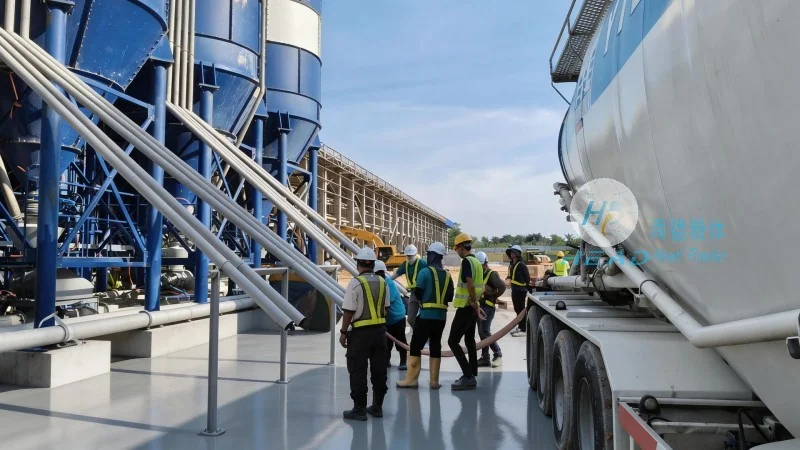
Overview of the Pneumatic Conveyor System
The pneumatic conveyor designed for white clay powder is engineered to transport bulk materials through an air-driven system. It combines the advantages of low maintenance, flexibility in layout, and the ability to handle fine powders without degradation. The system typically consists of a hopper, a rotary airlock valve, a conveying pipeline, and a receiver, all working in tandem to ensure smooth material flow.
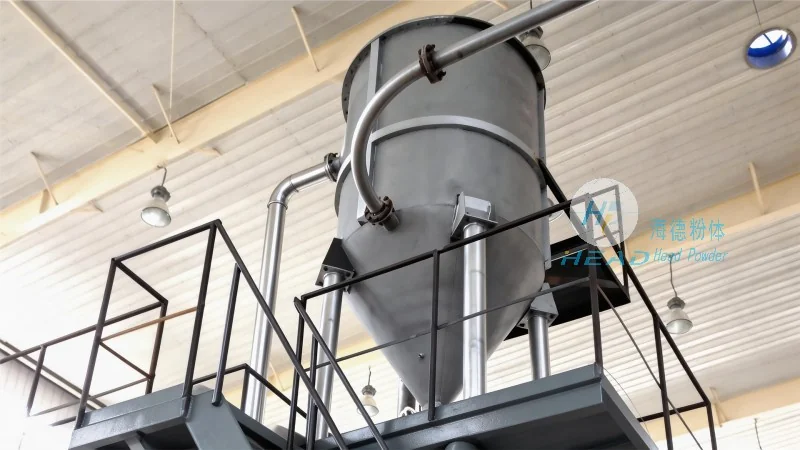
Operation Process of the Pneumatic Conveyor
The operation of the white clay powder pneumatic conveyor follows a systematic sequence to ensure consistent and efficient material transfer. Initially, the white clay powder is fed into the hopper from the source. The rotary airlock valve then regulates the flow of powder into the conveying pipeline, preventing backflow and maintaining a steady feed rate. Compressed air, supplied by a blower or compressor, is introduced into the pipeline, creating a high-velocity air stream that propels the powder particles through the system. As the powder travels along the pipeline, it is carried by the air current until it reaches the receiver, where the air is separated from the powder and discharged. The separated air is then typically filtered and recycled back into the system to conserve energy and reduce waste.
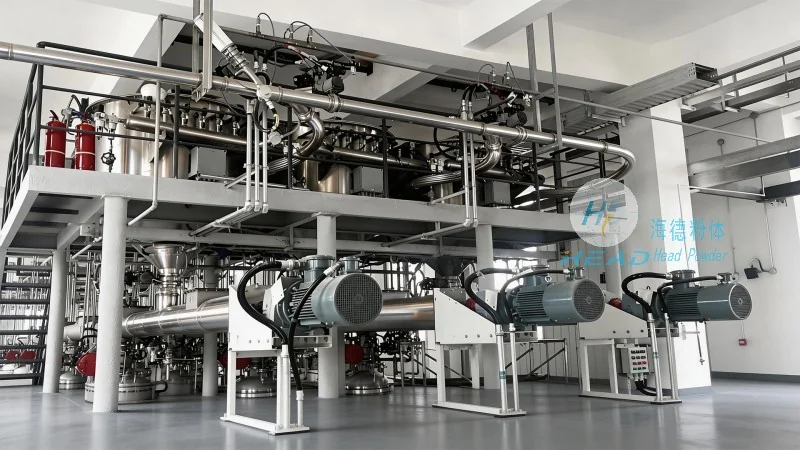
Working Principle of the Pneumatic Conveyor
The core principle behind the pneumatic conveyor for white clay powder is the use of air as the conveying medium. The system operates on the principle of fluid dynamics, where the air stream generates sufficient velocity to overcome the gravitational and frictional forces acting on the powder particles. The key components, such as the hopper, airlock valve, and pipeline, are designed to optimize the interaction between the air and the powder. The hopper provides a storage and feeding chamber, ensuring a continuous supply of material. The rotary airlock valve acts as a gate, controlling the amount of powder entering the pipeline and preventing the air from escaping prematurely. The conveying pipeline, often made of durable materials like stainless steel or plastic, is designed to withstand the pressure and abrasion from the powder and air. The receiver collects the transported powder and separates it from the air using a cyclone or other filtration device. This separation process is crucial for maintaining the purity of the white clay powder and ensuring the air is clean before recycling.
Key Features and Benefits
The pneumatic conveyor for white clay powder offers several key features that make it an ideal choice for industrial applications. Its design allows for easy integration into existing production lines, with minimal space requirements. The system is also highly adaptable, capable of handling varying feed rates and material characteristics. Additionally, the use of compressed air as the conveying medium reduces the risk of material contamination, which is critical for white clay powder used in applications like oil refining or pharmaceuticals. The low maintenance requirements and energy efficiency of the system contribute to long-term cost savings for manufacturers.
Conclusion
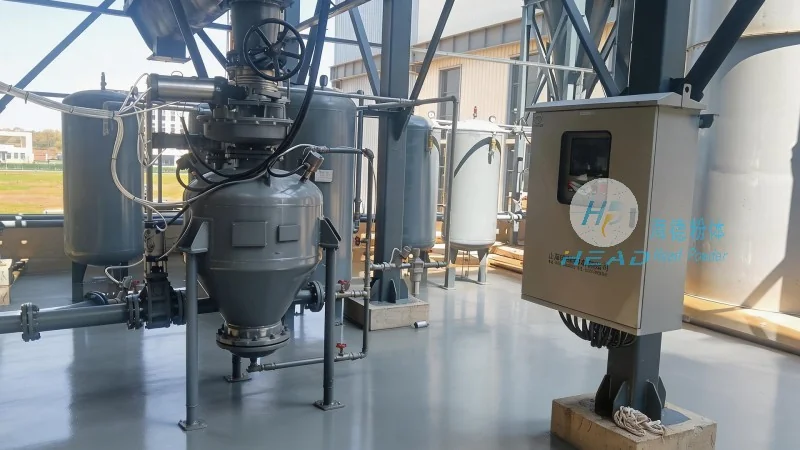
In conclusion, the pneumatic conveyor for white clay powder is a reliable and efficient solution for transporting bulk materials. By understanding the operation process and working principle, users can appreciate the advanced engineering behind this system and its ability to meet the demands of modern industrial applications. Shandong HeadPowder Engineering Co., Ltd. continues to innovate in this field, providing high-quality pneumatic conveying systems that enhance productivity and ensure the quality of white clay powder in various industries.




