Small bag weighing and feeding pneumatic conveying systems are critical components in modern material handling and processing industries. These systems are designed to efficiently transport bulk materials from storage bags or containers to processing equipment, ensuring precise control over material flow and weight. The technology integrates weighing mechanisms with pneumatic conveying to enhance operational accuracy and system reliability. Developed by Shandong HeadPowder Engineering Co., Ltd. (headpowder), this system is tailored to meet the specific needs of various industries, including pharmaceuticals, food processing, and chemicals.
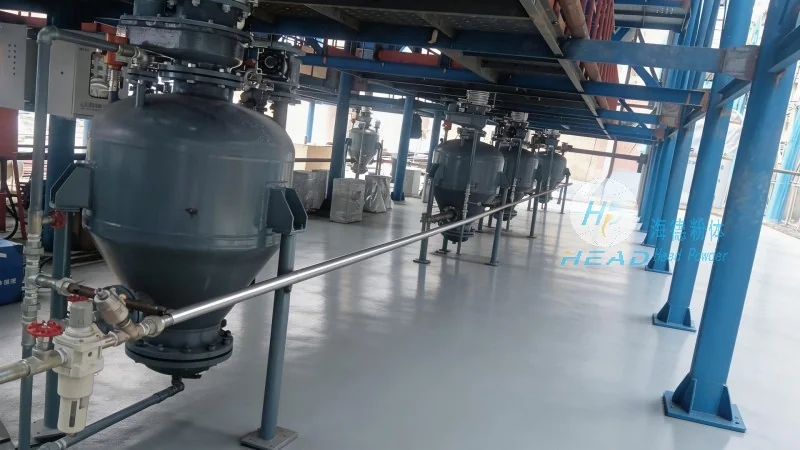
Overview of Small Bag Weighing and Feeding Pneumatic Conveying Systems
At the core of small bag weighing and feeding pneumatic conveying systems is the ability to handle bulk materials in a controlled manner. This technology is widely used in industries such as pharmaceuticals, food processing, chemicals, and powders, where maintaining product quality and process consistency is paramount. The system typically involves a bag opening mechanism, a weighing hopper with integrated load cells, a pneumatic conveying line with air control valves, and a control system for process automation. The working principle begins with the opening of the small bag, where the material is discharged into the weighing hopper. The load cells within the hopper measure the weight of the material in real-time, and the control system adjusts the bag opening or material flow to achieve the desired weight. Once the target weight is reached, the control system signals the pneumatic conveyor to start, and the material is conveyed through the air stream to the processing equipment. The system may also include features such as air filtration, material separation, and dust collection to maintain environmental standards and product purity.
Structural Components and Working Principle
The structural design of a small bag weighing and feeding pneumatic conveying system includes several key components that work in tandem to achieve efficient material handling. The primary components include a bag opening mechanism, a weighing hopper with integrated load cells, a pneumatic conveying line with air control valves, and a control system for process automation. The working principle begins with the opening of the small bag, where the material is discharged into the weighing hopper. The load cells within the hopper measure the weight of the material in real-time, and the control system adjusts the bag opening or material flow to achieve the desired weight. Once the target weight is reached, the control system signals the pneumatic conveyor to start, and the material is conveyed through the air stream to the processing equipment. The system may also include features such as air filtration, material separation, and dust collection to maintain environmental standards and product purity.
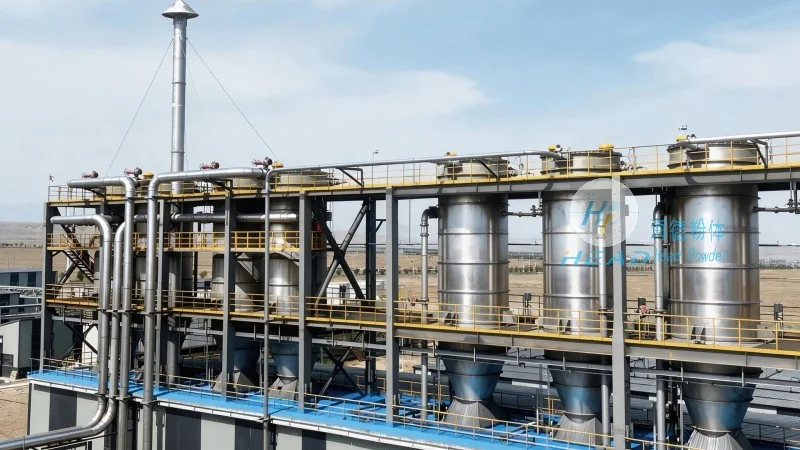
Advantages of Small Bag Weighing and Feeding Pneumatic Conveying
Small bag weighing and feeding pneumatic conveying systems offer several advantages over traditional material handling methods. One of the key benefits is the high level of accuracy in material weighing, which minimizes waste and ensures consistent product quality. The pneumatic conveying aspect allows for gentle material handling, reducing product degradation and preserving material properties, especially for sensitive materials like pharmaceuticals or food products. Additionally, these systems are compact and can be integrated into existing production lines, saving space and reducing installation costs. The automated control system enhances operational efficiency by minimizing manual intervention and reducing the risk of human error. Furthermore, the system can be easily scaled to handle varying material volumes, making it versatile for different production needs.
Applications in Different Industries
Small bag weighing and feeding pneumatic conveying systems are applied across a wide range of industries due to their adaptability and efficiency. In the pharmaceutical industry, these systems are used to handle active pharmaceutical ingredients (APIs) and excipients with high precision, ensuring compliance with regulatory standards. The food processing industry utilizes them for handling powders such as flour, sugar, and spices, maintaining hygiene and product safety. In the chemical industry, the systems are employed to transport bulk chemicals, ensuring accurate dosing and process control. The systems are also used in the agricultural sector for handling fertilizers and seeds, and in the plastics industry for conveying resin powders. Each application benefits from the system's ability to provide consistent material flow and accurate weighing, contributing to overall process efficiency and product quality.
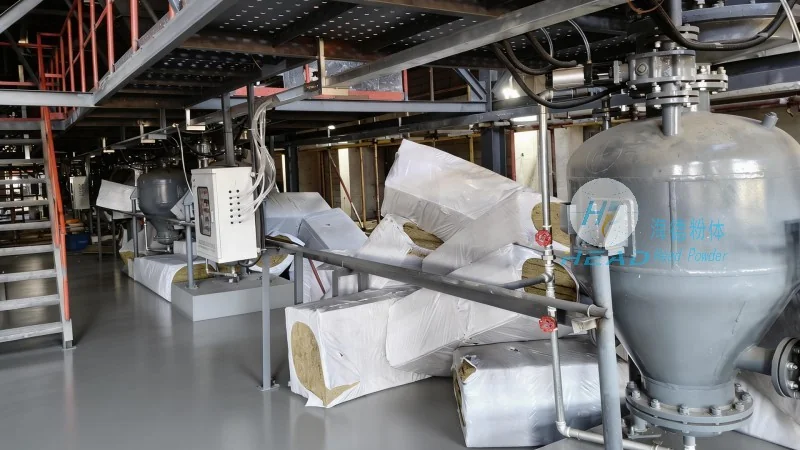
Maintenance and Operational Considerations
Proper maintenance is essential to ensure the long-term performance and reliability of small bag weighing and feeding pneumatic conveying systems. Regular inspection of the weighing hopper and load cells is necessary to detect any wear or damage that could affect weighing accuracy. The pneumatic conveying line should be checked for blockages or leaks, as these can impact material flow and system efficiency. Air filtration systems should be maintained to prevent dust accumulation and ensure clean air for material transport. The control system should be periodically calibrated to maintain its accuracy and responsiveness. Operational considerations include ensuring that the system is used within its specified capacity to avoid overloading, which can lead to system failure. Additionally, training operators on the proper use and maintenance of the system is crucial to prevent accidents and ensure optimal performance. By following these maintenance and operational guidelines, the system can operate efficiently and provide reliable material handling for years.
Conclusion
Small bag weighing and feeding pneumatic conveying systems represent a sophisticated solution for efficient and accurate material handling in various industries. The integration of weighing technology with pneumatic conveying provides a robust and versatile system that meets the demands of modern production processes. With proper design, installation, and maintenance, these systems can enhance operational efficiency, reduce material waste, and ensure consistent product quality. As industries continue to evolve and demand higher precision in material handling, the importance of such systems will only grow, making them a critical component in the future of industrial processing.




