Ceramic powder pneumatic conveying is a critical technology in material handling, particularly for industries dealing with fine powders such as ceramics. This method involves transporting dry powders through a pipeline using air or other gas as the conveying medium. The process is widely adopted due to its efficiency, flexibility, and ability to handle delicate materials without contamination or degradation. In this overview, we will explore the fundamental structure and operational principles of ceramic powder pneumatic conveying systems, highlighting key components and their functions.
Key Components of Ceramic Powder Pneumatic Conveying Systems
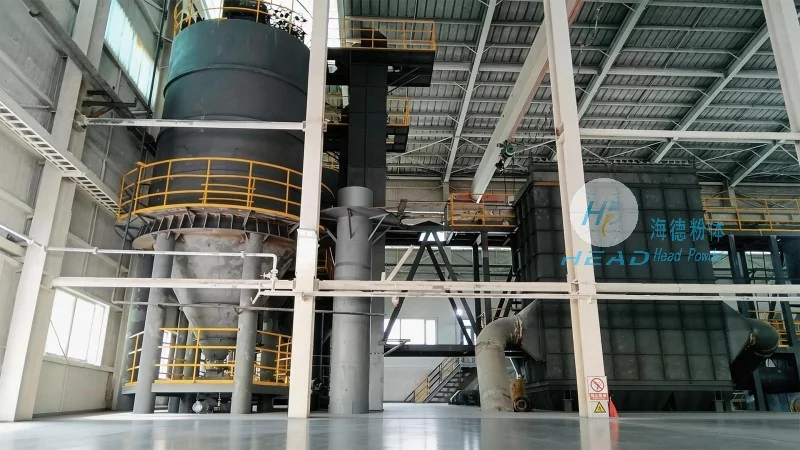
The core components of a ceramic powder pneumatic conveying system include the hopper, feeder, conveying line, and receiver. Each component plays a vital role in ensuring smooth and efficient material transport. The hopper is designed to store the ceramic powder and maintain a consistent feed. It typically features a conical or rectangular shape to facilitate gravity-based feeding. The feeder, often a rotary valve or a star feeder, regulates the flow of powder from the hopper into the conveying line. This control is essential to prevent overloading or underloading of the system, which can lead to inefficiencies or equipment damage. The conveying line, usually made of stainless steel or other corrosion-resistant materials, is where the powder is propelled by the air stream. The receiver, located at the end of the line, collects the conveyed powder and may include a dust collection system to ensure environmental compliance and material purity.
Operational Principles of Pneumatic Conveying
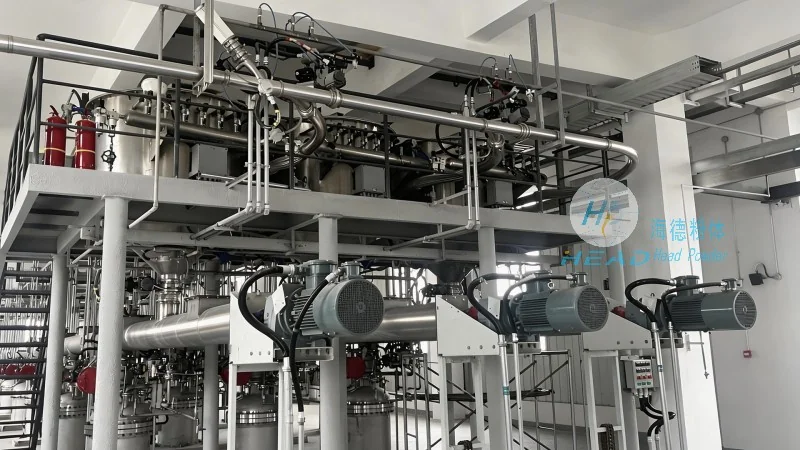
The operational principle of pneumatic conveying relies on the creation of a pressure differential between the hopper and the receiver. In a positive pressure system, air is forced into the hopper, creating an overpressure that pushes the powder through the line. The air velocity is carefully controlled to maintain the powder in a suspended state, preventing particle settling or blockages. Conversely, a negative pressure system draws air from the receiver, creating a vacuum that pulls the powder from the hopper. Both systems have advantages and are chosen based on the material properties, system layout, and operational requirements. For ceramic powders, which are often abrasive and sensitive to moisture, positive pressure systems are commonly preferred as they minimize exposure to external contaminants and provide better control over the conveying environment.
Structural Design Considerations for Ceramic Powder Conveying
The structural design of ceramic powder pneumatic conveying systems must address several critical factors to ensure durability and performance. Material selection is paramount, as ceramic powders can be abrasive and may cause wear on metal components. Therefore, components such as the hopper, feeder, and conveying line are often constructed from stainless steel, high-grade alloys, or specialized coatings to resist corrosion and wear. The pipeline design also considers the flow dynamics, with bends and fittings strategically placed to minimize pressure losses and prevent powder accumulation. Additionally, the system incorporates features like pulse jets or vibration to maintain consistent flow and prevent blockages, especially in long-distance or high-capacity applications. The receiver is designed with a dust collection system, often using cyclones or bag filters, to capture fine particles and ensure compliance with environmental regulations. The overall design aims to balance efficiency, reliability, and cost-effectiveness, making it suitable for various industrial applications.
About Shandong HeadPowder Engineering Co., Ltd.
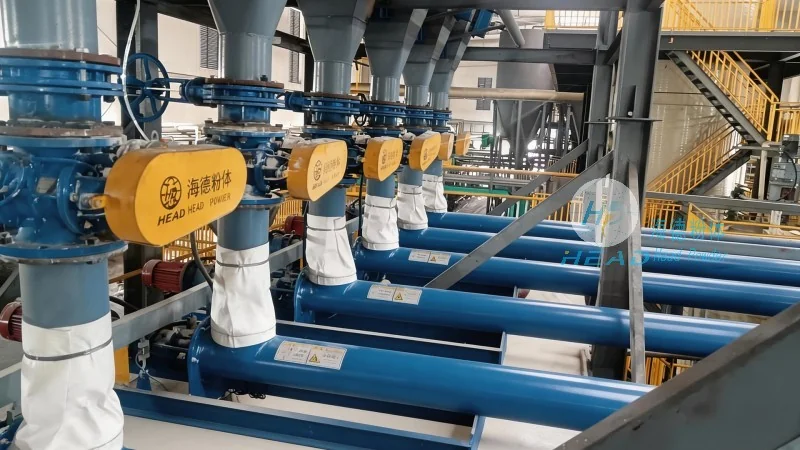
Shandong HeadPowder Engineering Co., Ltd., operating under the brand name headpowder, is a leading manufacturer and supplier of pneumatic conveying systems for ceramic and other fine powders. With a strong focus on innovation and quality, the company specializes in designing and manufacturing customized solutions tailored to the specific needs of clients. Headpowder's expertise lies in understanding the unique challenges of handling ceramic powders, such as their abrasive nature and sensitivity to moisture, and developing systems that address these challenges effectively. The company's facilities are located in Shandong, China, where it leverages advanced manufacturing processes and rigorous quality control to deliver reliable and efficient conveying solutions. By combining technical expertise with customer-centric approach, headpowder has established itself as a trusted partner in the industry, providing solutions that enhance productivity and ensure the integrity of ceramic materials throughout the conveying process.




