Efficient and reliable material handling is a critical aspect of modern agricultural operations, particularly when dealing with bulk materials like potash fertilizer. Pneumatic conveying systems have emerged as a sophisticated solution for transporting such materials, offering advantages in terms of safety, cleanliness, and operational flexibility. This article provides an overview of the potash fertilizer pneumatic conveying system, detailing its structural components and operational principles to help users understand its functionality and benefits.
Key Components of a Potash Fertilizer Pneumatic Conveying System
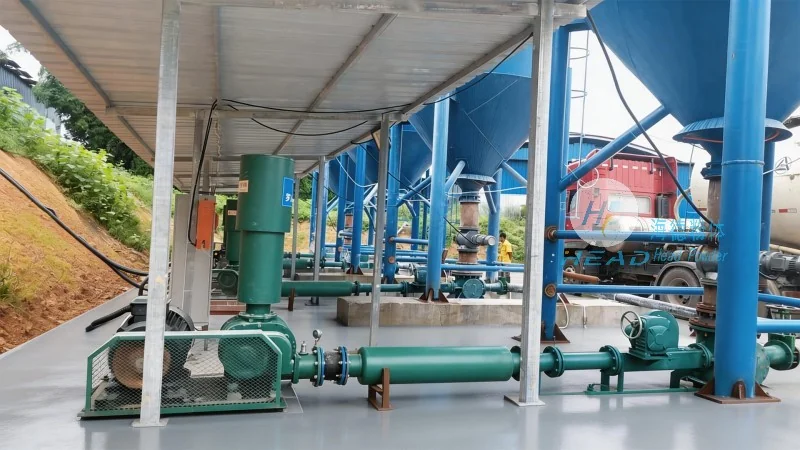
The potash fertilizer pneumatic conveying system consists of several key components that work in tandem to transport material from the source to the destination. The primary components include the hopper, feeder, air compressor, conveying line, and receiver. Each component plays a crucial role in ensuring the smooth and efficient operation of the system.
The hopper is the initial storage vessel where potash fertilizer is loaded. It is designed to accommodate bulk quantities of the material and features a sloped bottom to facilitate the flow of fertilizer into the feeder. The feeder, typically a rotary valve or a screw feeder, regulates the flow rate of the fertilizer from the hopper into the conveying line. This component ensures a consistent and controlled feed of material, preventing overloading or underfeeding of the system.
The air compressor is the heart of the pneumatic conveying system, responsible for generating the necessary air pressure to move the fertilizer particles through the conveying line. It can be either a positive displacement compressor or a centrifugal compressor, depending on the system's requirements. The compressor's capacity and pressure rating are critical factors that determine the system's conveying capacity and distance.
The conveying line, usually made of stainless steel or other corrosion-resistant materials, is the pathway through which the fertilizer and air mixture travels. It is designed to withstand the pressure and temperature conditions of the conveying process. The line may include bends, elbows, and other fittings to direct the material to the desired destination. The receiver, or discharge hopper, is the final component where the fertilizer is deposited after being conveyed. It is equipped with a discharge valve to control the release of the material.
Operational Principles of the Potash Fertilizer Pneumatic Conveying System
The operation of the potash fertilizer pneumatic conveying system is based on the principle of using compressed air to transport the material. The process begins with the feeder delivering the potash fertilizer into the conveying line. Simultaneously, the air compressor supplies compressed air into the line. The air and fertilizer particles are mixed, creating a slurry-like mixture that is propelled forward by the air pressure.
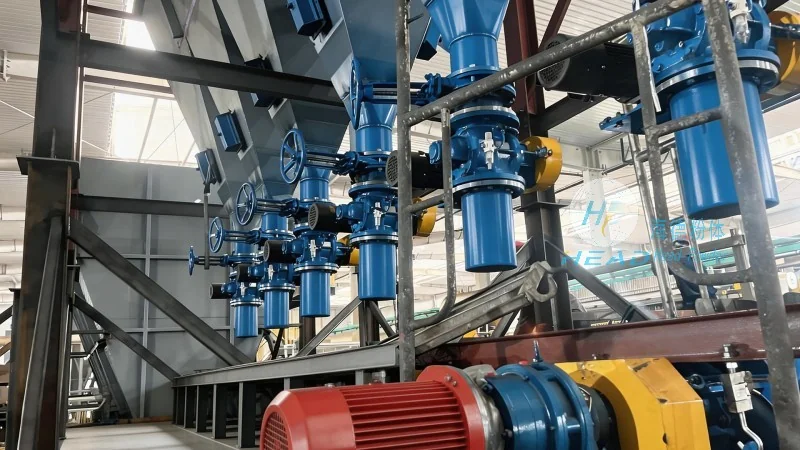
As the mixture moves through the conveying line, the air velocity is maintained at a level sufficient to keep the fertilizer particles suspended. This ensures that the material does not settle or clog the line. The system can operate in either positive pressure or negative pressure mode, depending on the application. Positive pressure systems are commonly used for long-distance conveying, as they can maintain higher air pressure and overcome greater resistance. Negative pressure systems, on the other hand, are suitable for shorter distances and applications where dust control is a priority.
The conveying process continues until the mixture reaches the receiver. At this point, the air is separated from the fertilizer, and the material is discharged into the receiver. The air, now containing any fine particles, is typically filtered and recycled back into the system to improve efficiency and reduce waste.
Advantages of Using a Potash Fertilizer Pneumatic Conveying System
Implementing a potash fertilizer pneumatic conveying system offers several advantages over traditional methods such as belt conveyors or bucket elevators. One of the primary benefits is the enhanced safety and cleanliness of the operation. Since the material is transported in an enclosed system, there is minimal exposure to dust and contaminants, reducing the risk of respiratory issues and improving overall workplace hygiene.
Another advantage is the flexibility and scalability of the system. Pneumatic conveying systems can be easily adjusted to accommodate varying flow rates and distances, making them suitable for a wide range of applications. They can also be integrated with other equipment, such as storage silos or packaging machines, to create a fully automated material handling solution.
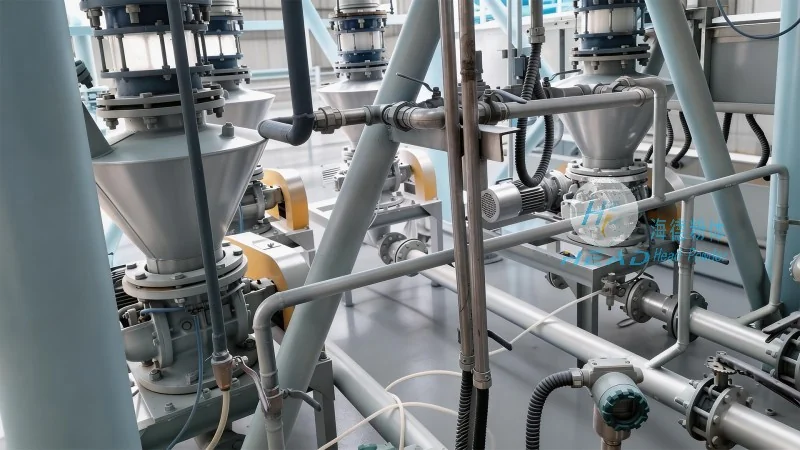
The system also offers improved efficiency and reduced downtime. By eliminating the need for manual handling and minimizing material spillage, the overall operational costs are reduced. Additionally, the enclosed design reduces the risk of material degradation due to exposure to air or moisture, ensuring that the potash fertilizer remains in optimal condition throughout the conveying process.
About Shandong HeadPowder Engineering Co., Ltd.
Shandong HeadPowder Engineering Co., Ltd., operating under the brand name headpowder, is a leading manufacturer and supplier of advanced material handling solutions, including potash fertilizer pneumatic conveying systems. With a strong commitment to innovation and quality, the company has established itself as a trusted partner in the agricultural and industrial sectors.
HeadPowder specializes in designing and manufacturing customized pneumatic conveying systems tailored to the specific needs of its clients. The company's team of experienced engineers and technicians works closely with customers to understand their operational requirements and develop solutions that optimize efficiency and productivity. The company's products are manufactured using high-quality materials and advanced technology, ensuring durability and reliability in demanding environments.
HeadPowder's facilities are equipped with state-of-the-art manufacturing equipment and stringent quality control processes. This ensures that every component of the pneumatic conveying system meets the highest standards of performance and safety. The company also provides comprehensive after-sales support, including installation, maintenance, and technical assistance, to ensure that its clients receive the best possible service throughout the lifecycle of their equipment.
With its headquarters located in Shandong, China, HeadPowder serves customers worldwide, delivering high-quality material handling solutions to various industries, including agriculture, food processing, and chemical manufacturing. The company's dedication to customer satisfaction and continuous improvement has earned it a reputation for excellence in the industry.




