Styrene, a key chemical intermediate widely used in the production of polystyrene and other polymers, often requires efficient and reliable material handling solutions during its processing and transportation. Air conveying technology offers an effective method for handling styrene, combining the advantages of low energy consumption, minimal product contamination, and flexible system design. This article provides an overview of the air conveying system for styrene, focusing on its structural components and operational principles.
Company Profile: Shandong HeadPowder Engineering Co., Ltd.
As a leading engineering company specializing in powder and bulk material handling systems, Shandong HeadPowder Engineering Co., Ltd. (commonly known as headpowder) has extensive experience in designing and implementing air conveying solutions for various industries. With a strong commitment to innovation and customer satisfaction, the company provides tailored solutions that meet the specific requirements of clients handling styrene and other similar materials. HeadPowder's expertise in material flow technology ensures that their air conveying systems are optimized for efficiency, safety, and long-term performance.
Overview of Styrene Air Conveying Systems
Styrene air conveying systems are designed to transport styrene powder or granules from one location to another using a combination of air flow and mechanical components. The system typically consists of several key parts, including a feed hopper, a conveyor line, a separation unit, and a dust collection system. Each component plays a critical role in ensuring the smooth and safe operation of the entire process.
Structural Components of the Air Conveying System
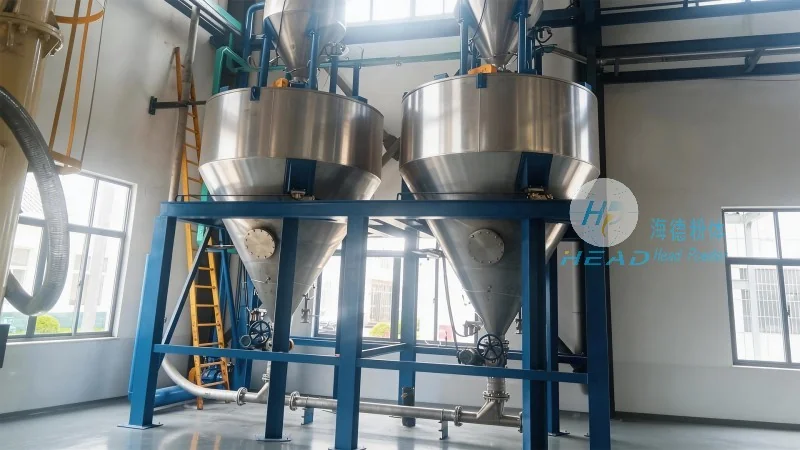
The feed hopper is the initial component where styrene is introduced into the system. It is designed to hold a sufficient quantity of material and provide a controlled feed rate to the conveyor line. The hopper is equipped with a discharge valve or a rotary valve to regulate the flow of styrene into the system. This component is crucial for maintaining a consistent material supply and preventing blockages or overfilling.
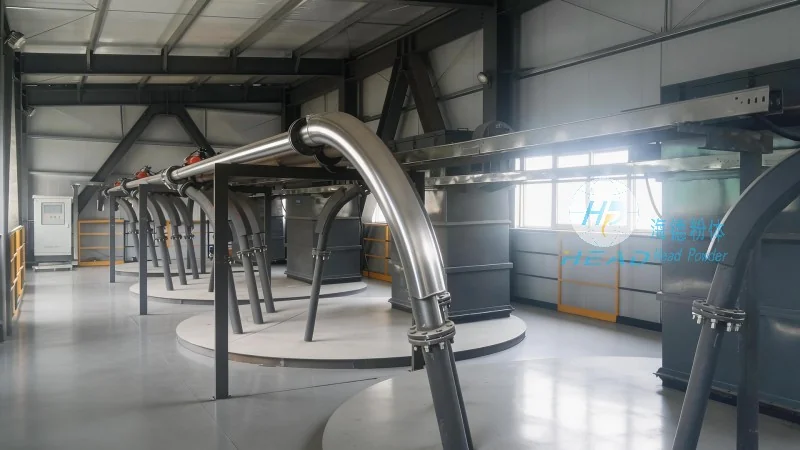
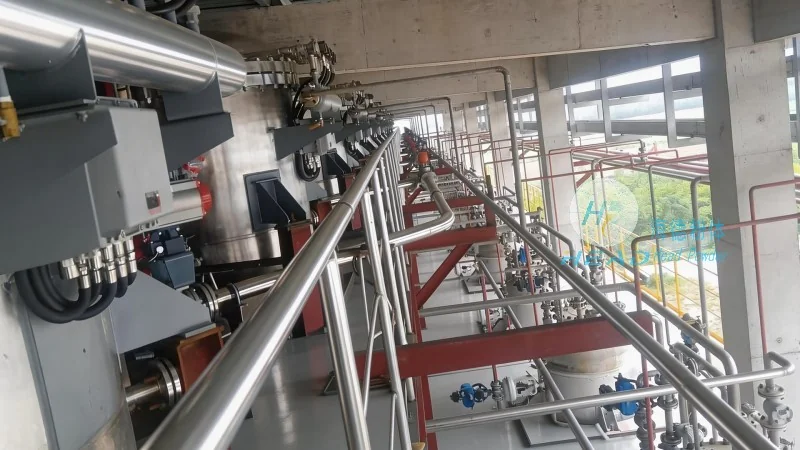
The conveyor line is the core of the air conveying system, responsible for transporting styrene through the system using air pressure. It consists of a series of pipes or ducts connected in a loop, with the air flow directed to move the material from the feed hopper to the separation unit. The design of the conveyor line, including the pipe diameter, length, and layout, is critical for achieving the desired material velocity and minimizing pressure drop. Properly sized and configured pipes ensure that the styrene is conveyed efficiently without excessive energy consumption or material degradation.
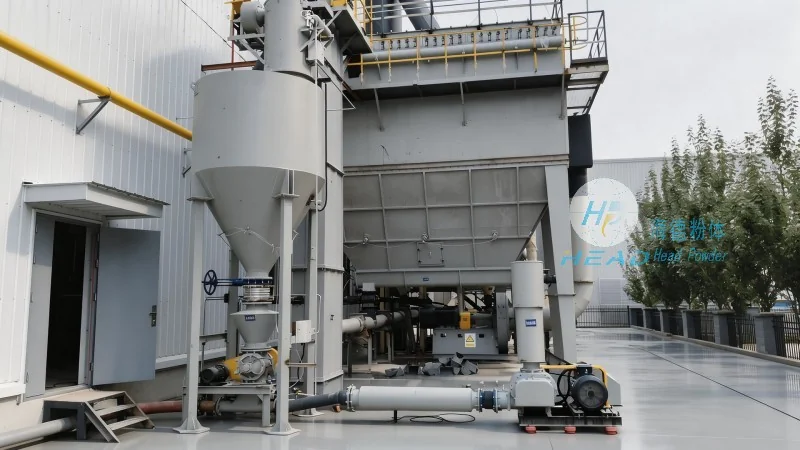
The separation unit, often referred to as a cyclone separator or a bag filter, is used to separate the styrene particles from the air stream. As the air carrying the styrene enters the separator, the centrifugal force causes the heavier particles to be deposited into a collection bin. The cleaned air is then discharged to the atmosphere or recirculated back into the system, depending on the specific design and environmental regulations. The separation unit is essential for maintaining product purity and complying with air quality standards.
The dust collection system, which may include a bag filter or an electrostatic precipitator, is responsible for capturing any fine particles that escape the separation unit. This system ensures that the air discharged from the system meets the required emission limits, protecting both the environment and the health of personnel working in the facility. The dust collection equipment is typically integrated with the separation unit and is designed to handle the specific characteristics of styrene particles, such as their size, density, and moisture content.
Operational Principles of the Air Conveying System
The operation of a styrene air conveying system is based on the principle of pneumatic transport, where the material is suspended and carried by the air flow. The system works by creating a pressure differential between the feed hopper and the separation unit, using a blower or a fan to generate the necessary air flow. The air flow velocity is carefully controlled to ensure that the styrene particles are fully suspended and transported without settling or clogging the pipes.
The system operates in a continuous or intermittent mode, depending on the production requirements. In continuous operation, the feed hopper is continuously filled with styrene, and the conveyor line continuously transports the material to the separation unit. In intermittent operation, the system is started and stopped as needed, with the feed hopper being refilled between cycles. The control system of the air conveying system monitors parameters such as pressure, flow rate, and material level, ensuring that the system operates within safe and efficient limits.
Advantages of Styrene Air Conveying Systems
Using air conveying technology for styrene offers several advantages over traditional methods such as belt conveyors or bucket elevators. One of the primary benefits is the reduction in product contamination, as the material is handled in a closed system, minimizing exposure to external contaminants. Additionally, air conveying systems are less prone to material degradation, as the material is not subjected to high mechanical stress or friction. The low energy consumption of air conveying systems also contributes to cost savings and environmental benefits, making them an attractive option for styrene handling applications.




