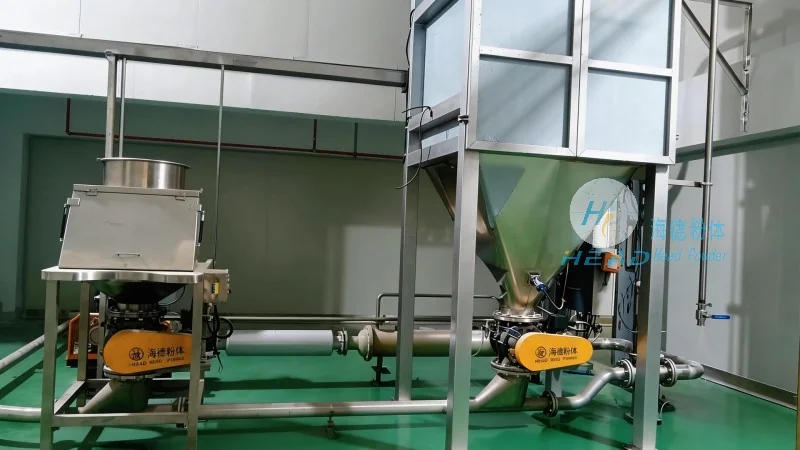
HeadPowder, a leading manufacturer in the field of material handling solutions, specializes in the design, development, and production of advanced pneumatic conveying systems tailored for plastic pellet transportation. Based in Shandong, China, the company has established itself as a trusted partner for industries seeking efficient and reliable methods to transport plastic pellets. This article provides an overview of plastic pellet pneumatic conveying, detailing its structural components and operational principles.
Company Profile and Expertise
HeadPowder Engineering Co., Ltd. is headquartered in Shandong, China, and has built a strong reputation for delivering high-quality pneumatic conveying equipment. The company's team of engineers and technicians brings extensive experience in material handling technology, ensuring that each system is customized to meet the specific needs of clients. With a focus on innovation and precision engineering, HeadPowder offers solutions that enhance productivity, reduce operational costs, and improve overall material handling efficiency in plastic processing facilities.
Understanding Plastic Pellet Pneumatic Conveying
Pneumatic conveying is a method of transporting bulk materials, such as plastic pellets, through a pipeline using air or gas as the conveying medium. Unlike mechanical systems that rely on belts, screws, or buckets, pneumatic conveying utilizes the force of compressed air to move materials, making it particularly suitable for plastic pellets due to their lightweight and abrasive nature. The process involves creating a pressure differential within the pipeline, which draws the pellets into the system and transports them to the desired destination.
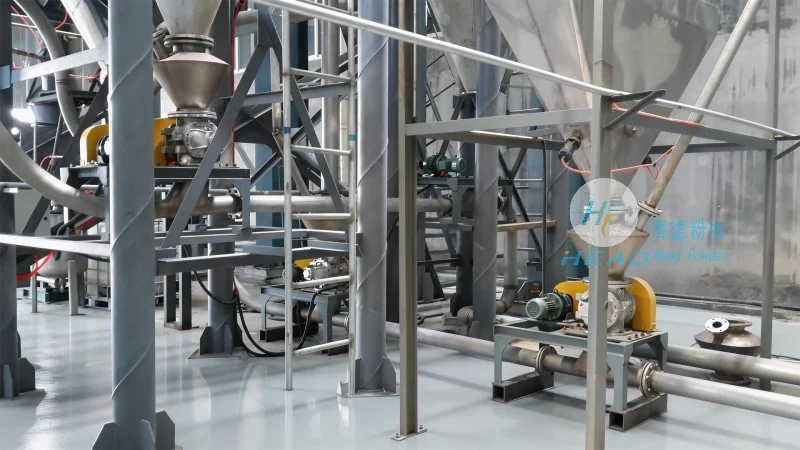
Key Structural Components of a Plastic Pellet Pneumatic Conveying System
A typical plastic pellet pneumatic conveying system consists of several critical components that work in harmony to ensure efficient material transport. These components include:
- Feeder: The feeder is responsible for introducing plastic pellets into the conveying system at a controlled rate. It ensures a consistent flow of material, preventing blockages and maintaining system stability.
- Conveying Line: The pipeline, often made of stainless steel or other corrosion-resistant materials, forms the main pathway for the pellets and air mixture. The design of the line, including bends and fittings, is optimized to minimize pressure loss and maintain the flow of material.
- Compressor and Air Treatment Unit: The compressor generates the necessary pressure to move the pellets through the line. The air treatment unit, which may include filters and dryers, ensures that the air used is clean and dry, preventing contamination of the plastic pellets and extending the lifespan of the system components.
- Receiver: The receiver is the final destination where the transported plastic pellets are collected. It is designed to handle the material efficiently, often with a hopper or silo to store the pellets until they are used in the next production stage.
- Control System: Modern pneumatic conveying systems are equipped with advanced control systems that monitor and regulate the flow of material, air pressure, and other parameters. These systems allow for real-time adjustments to optimize performance and prevent operational issues.
Working Principles of Plastic Pellet Pneumatic Conveying
The operation of a plastic pellet pneumatic conveying system follows a systematic process. Initially, the plastic pellets are fed into the system by the feeder. Simultaneously, compressed air is introduced into the conveying line. The air creates a pressure differential, which draws the pellets into the pipeline. As the pellets move through the line, they are carried by the air stream, often in a dilute phase (where pellets are suspended in the air) or a dense phase (where pellets are in a more concentrated mixture with air). The choice between these phases depends on the specific requirements of the application, such as material characteristics, distance to be conveyed, and system capacity.
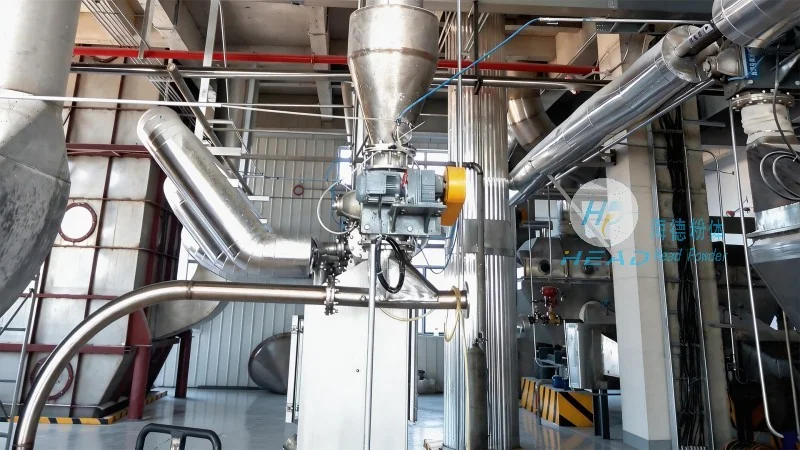
Advantages of Plastic Pellet Pneumatic Conveying
Compared to traditional mechanical conveying methods, plastic pellet pneumatic conveying offers several advantages that make it a preferred choice for many industries:
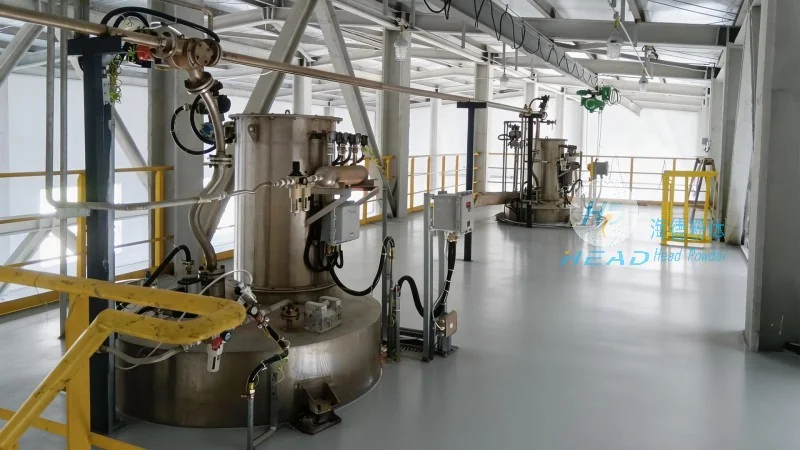
- Non-Contact Transport: Since the pellets are not in direct contact with mechanical parts, there is minimal wear and tear, reducing maintenance costs and extending the lifespan of the system.
- Reduced Product Contamination: The enclosed system prevents contamination from external sources, ensuring that the plastic pellets remain clean and free from dust or other impurities.
- Flexibility in Layout: Pneumatic conveying systems can be easily integrated into existing production layouts, allowing for flexible and space-efficient designs.
- Energy Efficiency: Modern systems are designed to be energy-efficient, with optimized air usage and pressure control that minimize energy consumption.
- Low Maintenance: The absence of moving parts in the conveying line reduces the need for frequent maintenance, leading to lower operational costs and increased system reliability.
Applications in Plastic Processing Industries
Plastic pellet pneumatic conveying systems are widely used in various stages of plastic processing, including:
- Raw Material Handling: Transporting plastic pellets from storage silos to processing machines, ensuring a continuous supply of material.
- Product Transfer: Moving finished plastic products or pellets between different production lines or facilities.
- Recycling Operations: Conveying recycled plastic pellets from sorting and cleaning processes to reprocessing equipment.
- Quality Control: Transporting samples or test batches of plastic pellets for quality analysis and inspection.
Conclusion
Plastic pellet pneumatic conveying is a sophisticated and efficient method for transporting plastic materials, offering numerous benefits over traditional mechanical systems. With its non-contact operation, reduced contamination, and flexible design, it has become an essential component in modern plastic processing facilities. HeadPowder Engineering Co., Ltd., based in Shandong, China, continues to lead the way in providing advanced pneumatic conveying solutions that meet the evolving needs of the plastic industry, ensuring reliable and cost-effective material handling for its clients.




