HeadPowder, a leading manufacturer based in Shandong, China, specializes in the design and production of advanced catalyst pneumatic conveying systems. These systems are crucial in industrial processes that require the efficient and safe transport of catalyst materials, which are often sensitive and valuable. The company's expertise in engineering and material handling ensures that their equipment meets the highest standards of performance and reliability.
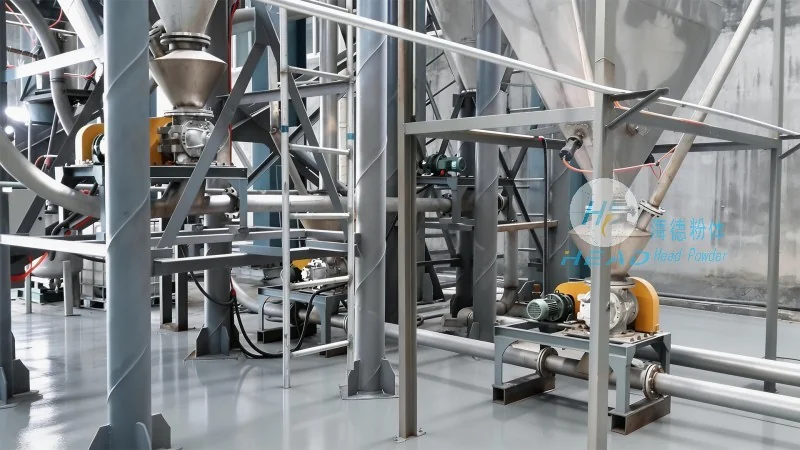
Overview of Catalyst Pneumatic Conveying Equipment
Catalyst pneumatic conveying equipment is a specialized system designed to transport catalyst powders or granules from one location to another within industrial facilities. Unlike traditional mechanical conveyors, pneumatic systems use compressed air or other gases to move materials through a pipeline network. This method offers several advantages, including the ability to handle abrasive or corrosive materials, maintain a clean and dust-free environment, and achieve high transport efficiency over long distances. The equipment typically consists of several key components, including a material feed hopper, a conveying line, a control system, and a discharge unit.
Key Structural Components and Their Functions
The structure of a catalyst pneumatic conveying system is engineered to ensure optimal performance and durability. The main components include:
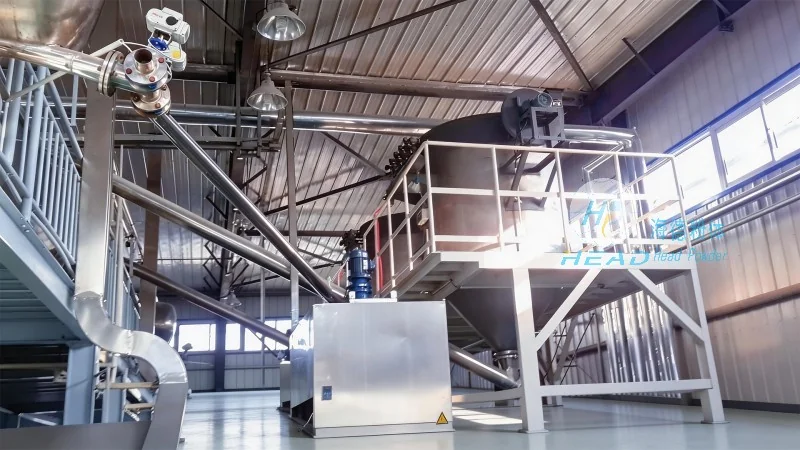
- Material Feed Hopper: This component is responsible for storing and feeding the catalyst material into the conveying system. It is designed with a large capacity to accommodate bulk quantities of catalyst and features a discharge valve that controls the flow rate. The hopper is often equipped with a level indicator to monitor the material level and prevent overfilling.
- Conveying Line: The pipeline system is the core of the pneumatic conveying equipment. It is made from materials that are resistant to corrosion and abrasion, such as stainless steel or special alloys, to withstand the harsh conditions of catalyst transport. The line includes various sections, including straight runs, bends, and expansion joints, which are carefully designed to minimize pressure loss and prevent material deposition.
- Air Supply System: This component provides the necessary pressure and volume of air or gas to move the catalyst particles through the pipeline. It typically includes a compressor, a filter to remove contaminants, and a pressure regulator to maintain consistent air pressure. The air supply system is crucial for ensuring the smooth and efficient operation of the conveying process.
- Control System: The control system manages the operation of the entire conveying process. It includes sensors to monitor pressure, flow rate, and material level, as well as control valves and actuators to adjust the system parameters in real-time. The control system ensures that the conveying process is safe, efficient, and can be easily adjusted to meet varying production demands.
- Discharge Unit: The discharge unit is responsible for releasing the catalyst material from the conveying line into the target container or process equipment. It is designed to prevent material spillage and ensure a clean and controlled discharge. The unit may include a filter to remove any remaining air or dust from the material before it is discharged.
Working Principle of the Pneumatic Conveying Process
The working principle of a catalyst pneumatic conveying system involves the use of compressed air to create a flow of material through the pipeline. The process begins when the catalyst material is fed from the hopper into the conveying line. The air supply system then injects high-pressure air into the line, which creates a flow that lifts and transports the catalyst particles. The air and material mixture travels through the pipeline, passing through bends and other components, and eventually reaches the discharge unit. At the discharge point, the air is separated from the material, and the catalyst is collected in the target container. The air is then filtered and recycled back to the air supply system, completing the cycle.
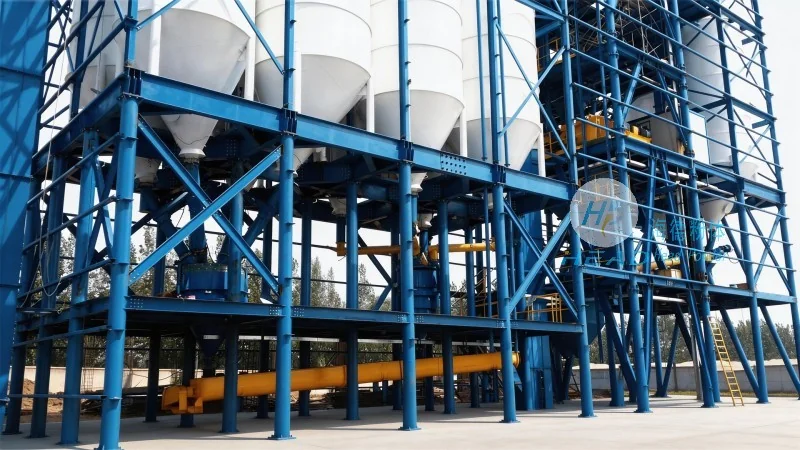
Advantages of Using Catalyst Pneumatic Conveying Equipment
There are several advantages to using catalyst pneumatic conveying equipment in industrial applications. First, it offers high efficiency in material transport, allowing for the movement of large quantities of catalyst over long distances with minimal energy consumption. Second, the system is highly flexible, as it can be easily adjusted to accommodate different types of catalyst materials and varying production rates. Third, it provides a clean and dust-free environment, which is essential for maintaining the quality and purity of the catalyst. Fourth, the equipment is relatively compact and can be installed in tight spaces, making it suitable for various industrial settings. Finally, the system is low maintenance, as it has fewer moving parts compared to traditional mechanical conveyors, reducing downtime and operational costs.
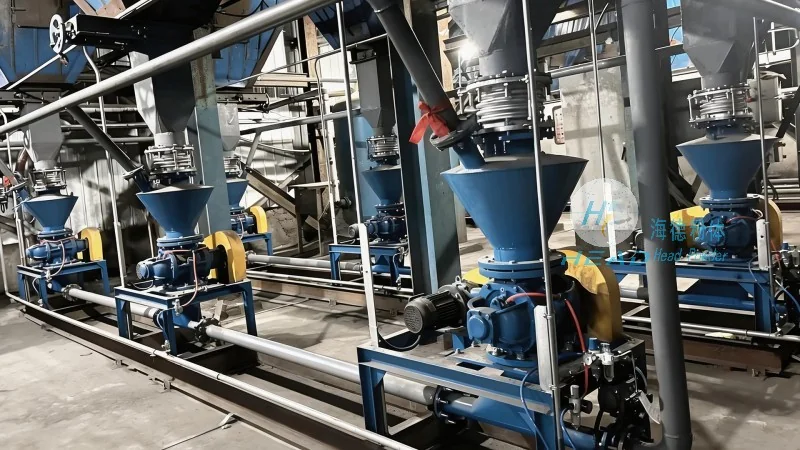
Applications in Industrial Processes
Catalyst pneumatic conveying equipment is widely used in various industrial processes that require the transport of catalyst materials. Some common applications include:
- Petrochemical Industry: In the petrochemical sector, catalysts are used in processes such as cracking, reforming, and hydrogenation. Pneumatic conveying systems are used to transport these catalysts between reactors, storage tanks, and other process equipment.
- Pharmaceutical Industry: The pharmaceutical industry uses catalysts in processes such as drug synthesis and purification. Pneumatic conveying equipment ensures the safe and efficient transport of these sensitive materials, maintaining their purity and quality.
- Chemical Manufacturing: In chemical manufacturing, catalysts are used in a wide range of processes, including polymerization, oxidation, and reduction. The pneumatic conveying system helps to move these materials efficiently and safely, contributing to the overall productivity of the plant.
- Environmental Treatment: Catalysts are also used in environmental treatment processes, such as wastewater treatment and air pollution control. Pneumatic conveying equipment is used to transport these catalysts to the treatment units, ensuring optimal performance.
Conclusion
HeadPowder's catalyst pneumatic conveying equipment is a reliable and efficient solution for the transport of catalyst materials in various industrial applications. The company's expertise in engineering and material handling ensures that their equipment is designed to meet the specific needs of each customer, providing high performance, durability, and safety. With its advanced structure and working principle, the equipment offers numerous advantages over traditional mechanical conveyors, making it an ideal choice for industries that require the efficient and safe transport of valuable and sensitive catalyst materials.




