Long-distance pneumatic conveying systems are advanced industrial equipment designed to transport bulk materials over significant distances using air pressure. These systems are widely used in various industries, including food processing, chemical manufacturing, and pharmaceutical production, due to their efficiency and ability to handle a wide range of materials. The core of such systems lies in their ability to move powders, granules, and other particulate materials without direct contact, which reduces contamination and wear compared to traditional mechanical conveyors.
Overview of Long-Distance Pneumatic Conveying Systems
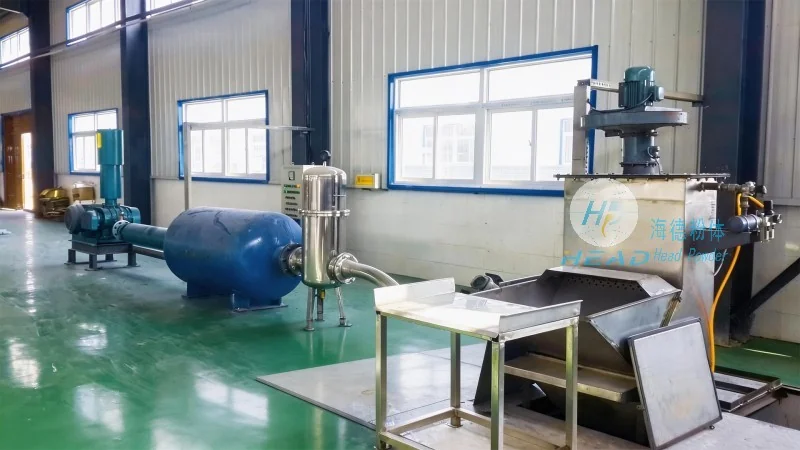
Long-distance pneumatic conveying systems are engineered to transport bulk materials over extended distances, often ranging from several hundred meters to several kilometers. The primary function of these systems is to move materials from a source point to a destination point efficiently and reliably. They operate by creating a pressure differential that propels the material through a pipeline using compressed air or other gases. This method eliminates the need for mechanical components like belts or buckets, which can be prone to wear and maintenance issues.
Key Components and Structure of Pneumatic Conveying Systems
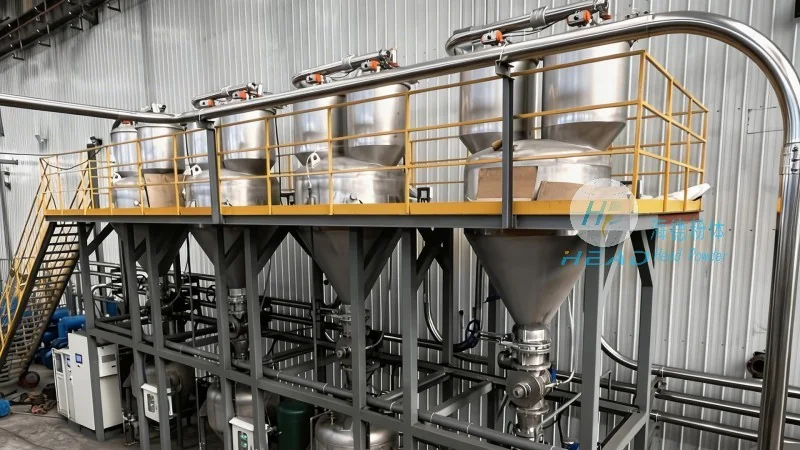
The structure of a long-distance pneumatic conveying system typically includes several critical components. The main parts are the material feed hopper, the air compressor or blower, the conveying pipeline, the control valves, and the material discharge unit. The feed hopper is responsible for storing and feeding the material into the system. It often features a hopper design with a discharge valve to regulate the flow of material. The air compressor or blower generates the necessary air pressure to move the material through the pipeline. The conveying pipeline is usually made of stainless steel or other corrosion-resistant materials to ensure durability and prevent material contamination. Control valves are used to regulate the air flow and pressure, allowing for precise control over the conveying process. The material discharge unit collects the material at the end of the pipeline and discharges it into a storage or processing area.
Working Principles of Pneumatic Conveying Systems
The working principle of a long-distance pneumatic conveying system is based on the principle of fluidization and pressure differential. When compressed air is introduced into the conveying pipeline, it creates a low-pressure zone that draws the material from the feed hopper into the pipeline. The air and material mixture then travels through the pipeline at high velocity, maintaining the material in a suspended state. The material is transported to the discharge point, where the air is separated from the material, often using a cyclone separator or a filter. The separated material is collected, and the air is either recirculated or vented to the atmosphere. The entire process is controlled by a system of valves and sensors that monitor pressure, flow, and material level, ensuring optimal operation.
Advantages of Long-Distance Pneumatic Conveying Systems
Long-distance pneumatic conveying systems offer several advantages over traditional mechanical conveyors. First, they are highly efficient in terms of energy consumption, as they use compressed air to move materials, which can be more energy-efficient than mechanical systems, especially over long distances. Second, they provide a hygienic and clean conveying method, as the material is not in direct contact with the conveying equipment, reducing the risk of contamination. Third, they are flexible in terms of layout, as the pipeline can be installed in various configurations, including vertical, horizontal, or inclined, to suit the specific requirements of the facility. Fourth, they are capable of handling a wide range of materials, including powders, granules, and even sticky or abrasive materials, without causing damage or degradation. Finally, they require less maintenance compared to mechanical conveyors, as there are fewer moving parts, reducing downtime and maintenance costs.
Applications of Long-Distance Pneumatic Conveying Systems
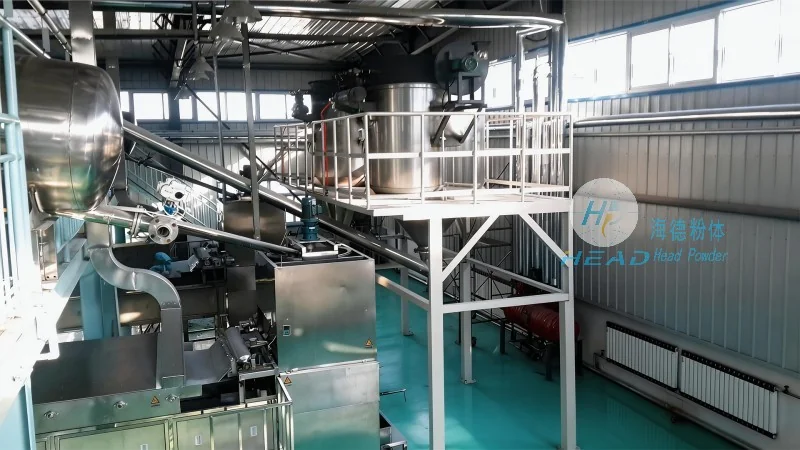
Long-distance pneumatic conveying systems are used in a variety of industrial applications. In the food industry, they are used to transport ingredients such as flour, sugar, and spices from storage to processing areas. In the chemical industry, they are used to transport raw materials and finished products, such as powders and granules, between different processing stages. In the pharmaceutical industry, they are used to transport active pharmaceutical ingredients (APIs) and other sensitive materials, ensuring that the materials are handled in a sterile and controlled environment. In the mining industry, they are used to transport ore and other minerals from mining sites to processing plants. In the agricultural industry, they are used to transport grain and other agricultural products from farms to processing facilities.
Customization and Integration with HeadPowder Systems
Shandong HeadPowder Engineering Co., Ltd. specializes in the design, manufacturing, and installation of long-distance pneumatic conveying systems tailored to the specific needs of their clients. The company, known as headpowder, offers customized solutions that integrate seamlessly with existing industrial processes. Their systems are designed to meet the unique requirements of each application, including the type of material, the distance to be covered, and the required flow rate. The company's engineers work closely with clients to understand their operational needs and provide solutions that optimize material handling efficiency and reduce costs. The systems are manufactured using high-quality materials and components, ensuring durability and reliability. The installation process is carried out by experienced technicians who ensure that the system is installed correctly and operates efficiently. The company also provides maintenance and support services to ensure that the system continues to operate at optimal levels throughout its lifespan.




