HeadPowder, a leading engineering company based in Shandong, China, specializes in the design and manufacturing of advanced pneumatic conveying systems for various industrial applications. This article provides a comprehensive overview of the gypsum powder pneumatic conveying system, focusing on its structural components and operational principles.
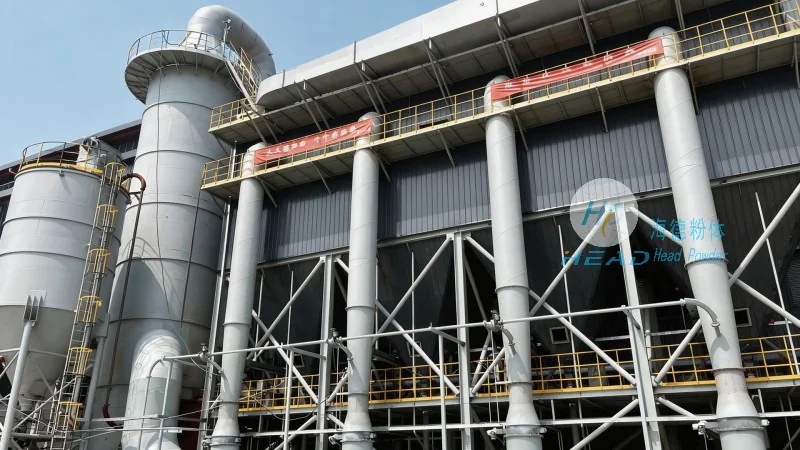
Overview of the Gypsum Powder Pneumatic Conveying System
The gypsum powder pneumatic conveying system is a sophisticated industrial solution designed to transport gypsum powder efficiently and safely. This system utilizes air as the primary medium to move the material from the source to the destination, eliminating the need for traditional mechanical conveyors that may cause dust contamination or material degradation. The system is particularly suitable for applications in the construction, cement, and chemical industries, where the handling of fine powders requires precision and reliability.
Key Structural Components of the System
The gypsum powder pneumatic conveying system consists of several critical components that work in tandem to ensure smooth operation. The main components include the hopper, feeder, air compressor, pipeline system, and receiver. Each component plays a vital role in the overall functionality of the system.
Firstly, the hopper serves as the storage container for the gypsum powder. It is designed with a conical bottom to facilitate the uniform discharge of the material. The hopper is typically made of stainless steel or other corrosion-resistant materials to prevent contamination and ensure durability. The feeder, often a rotary valve or a screw feeder, is responsible for controlling the flow rate of the gypsum powder from the hopper into the pipeline. This component ensures a consistent and controlled feed, preventing blockages and maintaining system efficiency.
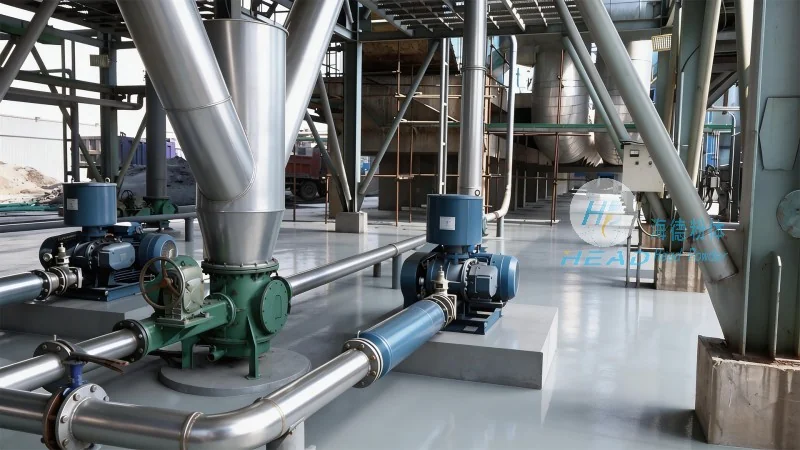
Secondly, the air compressor is the heart of the pneumatic conveying system. It generates the necessary air pressure to move the gypsum powder through the pipeline. The compressor is usually equipped with a filter and a moisture separator to ensure that the air used is clean and dry, which is crucial for preventing material caking and maintaining the quality of the gypsum powder. The pipeline system consists of a network of pipes, elbows, and tees that connect the hopper, feeder, and receiver. The pipes are made of materials such as stainless steel or plastic, depending on the specific requirements of the application. The receiver is the final component of the system, where the gypsum powder is deposited after being conveyed through the pipeline.
Working Principle of the Gypsum Powder Pneumatic Conveying System
The operation of the gypsum powder pneumatic conveying system is based on the principle of pneumatic transport. The process begins with the gypsum powder being fed from the hopper into the pipeline through the feeder. Simultaneously, the air compressor supplies high-pressure air into the pipeline. The air and powder mixture travels through the pipeline at a high velocity, allowing the powder to be suspended and transported to the receiver. The air pressure and velocity are carefully controlled to ensure that the powder is conveyed without clogging or degradation. Once the material reaches the receiver, the air is separated from the powder, and the powder is collected for further processing or use.
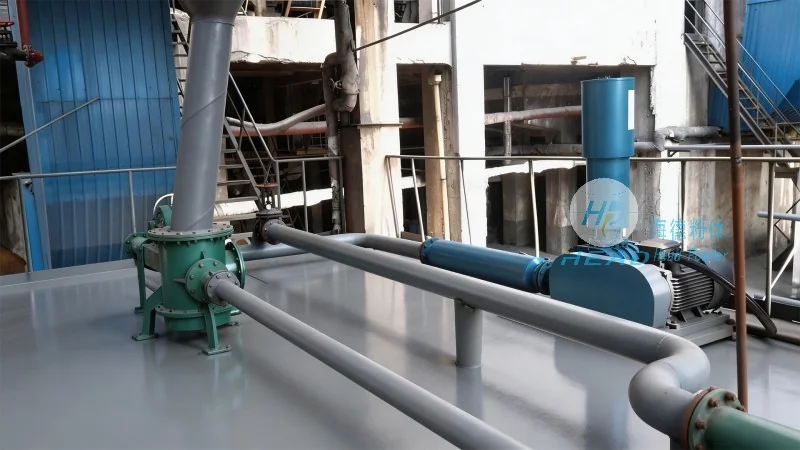
Advantages of the Gypsum Powder Pneumatic Conveying System
Compared to traditional mechanical conveying methods, the gypsum powder pneumatic conveying system offers several advantages. One of the primary benefits is the elimination of dust and contamination, as the material is contained within the pipeline. This reduces the risk of environmental pollution and improves workplace safety. Additionally, the system provides a high degree of flexibility in terms of layout and installation, as the pipeline can be arranged in various configurations to suit the specific needs of the facility. The system also offers improved material handling efficiency, with the ability to transport large quantities of gypsum powder over long distances with minimal energy consumption.
Applications and Industries
The gypsum powder pneumatic conveying system is widely used in various industries that require the handling of fine powders. In the construction industry, it is used for transporting gypsum powder to manufacturing plants or construction sites. In the cement industry, it is used for conveying raw materials such as gypsum to the production lines. In the chemical industry, it is used for transporting gypsum powder in chemical processing facilities. The system is also used in other industries such as pharmaceuticals and food processing, where the handling of fine powders requires high standards of cleanliness and efficiency.
Conclusion
In conclusion, the gypsum powder pneumatic conveying system is a highly efficient and reliable industrial solution for transporting gypsum powder. The system's structural components and operational principles are designed to ensure optimal performance and safety. With its ability to handle large quantities of material over long distances, the system offers significant advantages over traditional mechanical conveying methods. HeadPowder, with its expertise in engineering and manufacturing, provides high-quality pneumatic conveying systems that meet the specific needs of various industries. By investing in a gypsum powder pneumatic conveying system, companies can improve their operational efficiency, reduce costs, and enhance workplace safety.




