HeadPowder, a leading manufacturer based in Shandong, China, specializes in the design and production of advanced pneumatic conveying systems tailored for masterbatch granules. This article provides a comprehensive overview of the system's structure and operational principles, highlighting its key components and how they work together to ensure efficient material handling.
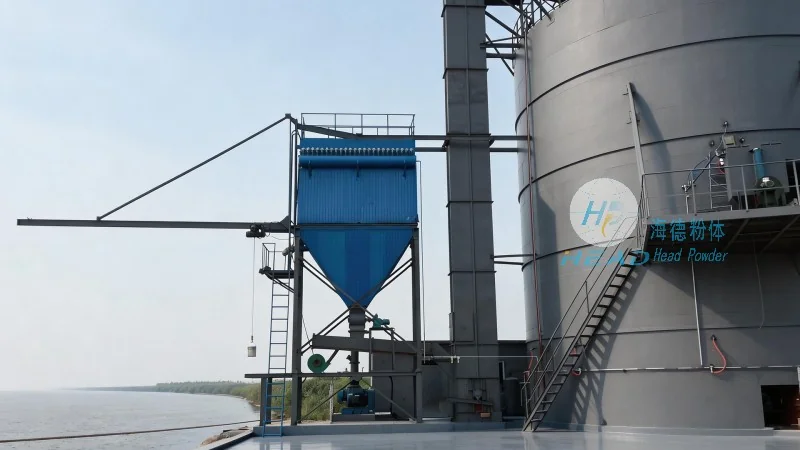
Key Components of the Pneumatic Conveying System
The pneumatic conveying system for masterbatch granules typically consists of several critical components that work in unison to facilitate the transport of granular materials. The primary elements include the feeding unit, conveying pipeline, air source system, and control system. Each component plays a vital role in the overall functionality of the system.
Feeding Unit: Ensuring Uniform Material Introduction
The feeding unit is responsible for introducing masterbatch granules into the conveying system in a controlled manner. This component often features a hopper or bin that holds the granules, equipped with a rotary valve or feeder to regulate the flow rate. The design of the feeding unit is crucial as it directly impacts the uniformity and consistency of the material being conveyed. By maintaining a steady feed, the system minimizes the risk of blockages and ensures smooth operation.
Conveying Pipeline: The Core Transport Path
The conveying pipeline serves as the main channel through which the masterbatch granules are transported. These pipelines are usually made of stainless steel or other corrosion-resistant materials to withstand the abrasive nature of the granules and the effects of air pressure. The pipeline design may vary depending on the distance and layout of the conveying route, with options including vertical, horizontal, or a combination of both. The pipeline is equipped with bends, elbows, and straight sections to guide the material along the intended path, while maintaining minimal pressure drop to optimize energy efficiency.
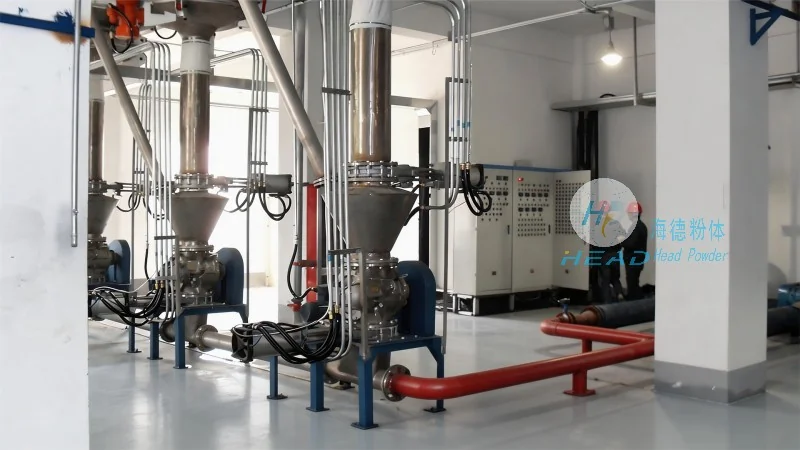
Air Source System: Driving the Conveying Process
The air source system provides the necessary air pressure and volume to propel the masterbatch granules through the pipeline. This system typically includes a blower or compressor, air filters, and pressure regulators. The blower generates the airflow, which is then conditioned to remove contaminants and maintain consistent pressure. The air source is designed to deliver a stable flow rate, ensuring that the material is transported at the desired speed without causing excessive wear on the system components.
Control System: Managing and Monitoring Operations
The control system is responsible for monitoring and regulating the operation of the pneumatic conveying system. It includes sensors, valves, and a control panel that allows operators to adjust parameters such as feed rate, air pressure, and conveyor speed. The system may also feature alarms and safety mechanisms to prevent over-pressurization or material blockages. By providing real-time feedback and automated control, the system enhances operational efficiency and reduces the risk of downtime.
Working Principle: How the System Transports Masterbatch Granules
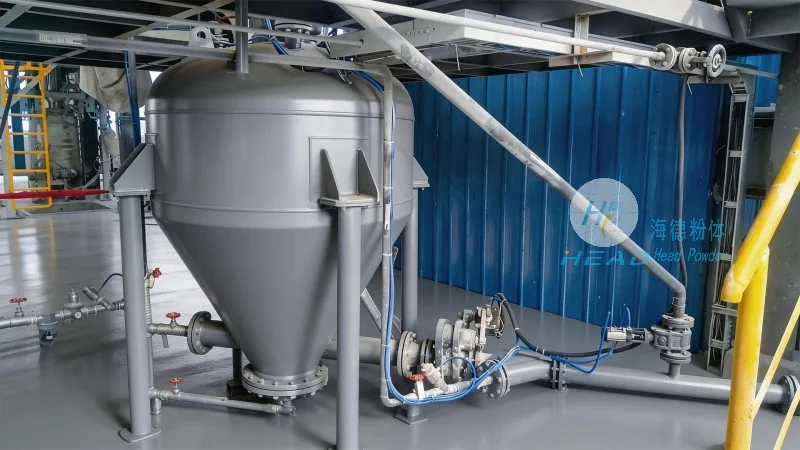
The pneumatic conveying system operates on the principle of using air to transport solid materials. In the case of masterbatch granules, the system uses a combination of pressure and vacuum to move the material through the pipeline. The process begins when the feeding unit introduces the granules into the pipeline, and the air source generates a high-pressure airflow that entrains the granules. The air and material mixture travels through the pipeline, with the air providing the necessary force to overcome gravity and friction. At the receiving end, the material is separated from the air, often through a cyclone separator or a filter, and collected in a designated container.
Advantages of the Pneumatic Conveying System for Masterbatch Granules
Implementing a pneumatic conveying system for masterbatch granules offers several advantages over traditional methods like belt conveyors or manual handling. The system provides a dust-free and enclosed environment, reducing the risk of contamination and improving workplace safety. It also offers high efficiency in terms of material transport speed and throughput, with the ability to handle large volumes of granules in a short period. Additionally, the system is flexible in terms of layout, allowing for complex routes and integration with other processing equipment. The use of stainless steel components ensures durability and resistance to corrosion, extending the system's lifespan and reducing maintenance costs.
About HeadPowder: Your Trusted Partner in Material Handling Solutions
HeadPowder Engineering Co., Ltd., based in Shandong, China, is a reputable company specializing in the engineering and manufacturing of advanced material handling systems. With years of experience in the industry, HeadPowder has developed a strong reputation for delivering high-quality pneumatic conveying systems tailored to the needs of various industries, including plastics, chemicals, and food processing. The company's commitment to innovation and customer satisfaction has made it a trusted partner for businesses seeking reliable and efficient material transport solutions. HeadPowder's products are designed to meet international standards and are backed by comprehensive technical support and after-sales service.




