For industrial applications involving the transport of powders and granules, efficient and reliable material handling equipment is crucial. The PVA-Formaldehyde Pneumatic Conveyor, developed by Shandong HeadPowder Engineering Co., Ltd., represents a sophisticated solution designed to meet the demands of modern processing industries. This article provides an overview of the PVA-Formaldehyde Pneumatic Conveyor, detailing its structural components and operational principles.
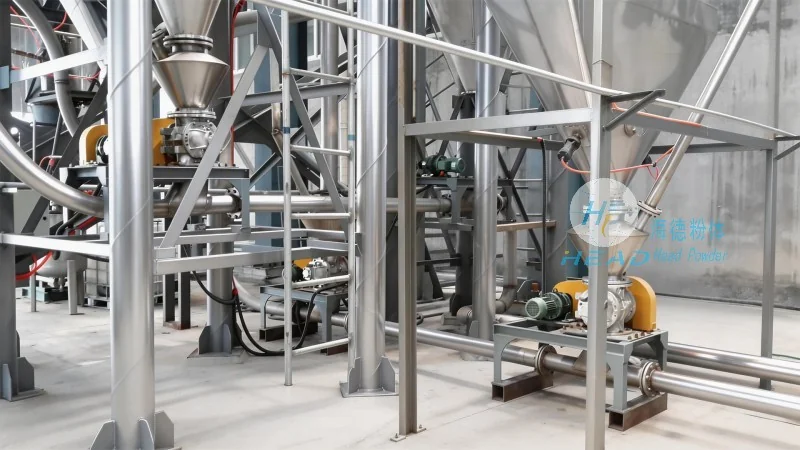
Overview of the PVA-Formaldehyde Pneumatic Conveyor
The PVA-Formaldehyde Pneumatic Conveyor is engineered to facilitate the pneumatic transport of materials such as polyvinyl alcohol (PVA) and its derivatives, including PVA-formaldehyde resins. These materials are often used in various manufacturing processes, and the conveyor system ensures safe, efficient, and dust-free transfer from the source to the destination. The design of this equipment is tailored to handle the specific properties of PVA-formaldehyde, including its moisture sensitivity and particle size characteristics.
Key Structural Components
The PVA-Formaldehyde Pneumatic Conveyor consists of several critical components that work in concert to achieve effective material transport. These include:
1. Air Supply System: This component generates the necessary airflow to move the material through the system. It typically comprises a blower, air filter, and pressure regulator to ensure consistent and controlled air pressure. The air supply is essential for creating the vacuum or pressure differential required for pneumatic transport.
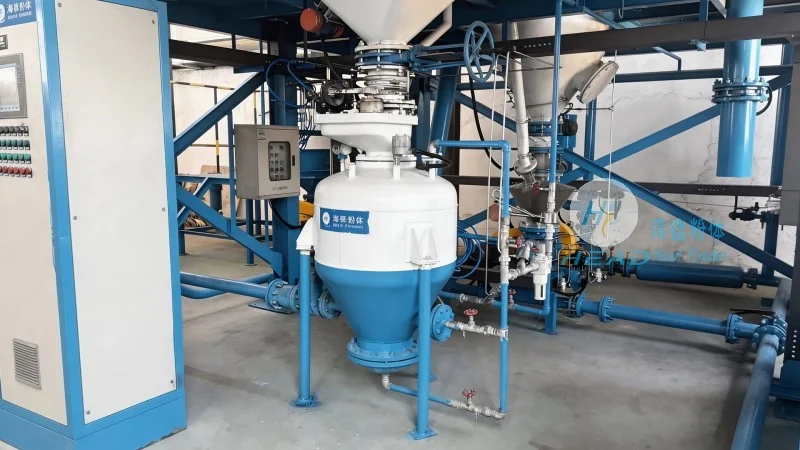
2. Material Feed Hopper: The hopper is designed to hold the PVA-formaldehyde material and facilitate its introduction into the conveyor line. It is equipped with a feeding mechanism, such as a screw feeder or rotary valve, to control the flow rate of the material. The hopper is constructed from materials resistant to chemical corrosion and wear, ensuring durability in handling PVA-formaldehyde.
3. Piping and Tubing: The conveyor system utilizes a network of pipes and tubing to guide the material and air through the transport path. The piping is made from materials compatible with PVA-formaldehyde, such as stainless steel or specialized plastic, to prevent contamination and material degradation. The design of the piping system minimizes pressure losses and ensures smooth material flow.
4. Separation and Collection Units: These components are responsible for separating the material from the air at the end of the transport line. The system typically includes a cyclone separator or a bag filter to capture the PVA-formaldehyde particles, while allowing the air to be discharged or recirculated. The collection units are designed to maintain material purity and prevent dust emissions.
5. Control and Monitoring System: The conveyor is equipped with a control panel that allows operators to monitor and adjust the system parameters. This includes controls for air pressure, material feed rate, and system status indicators. The monitoring system ensures safe and efficient operation, with alarms for any deviations or malfunctions.
Working Principle of the PVA-Formaldehyde Pneumatic Conveyor
The operation of the PVA-Formaldehyde Pneumatic Conveyor is based on the principle of pneumatic transport, where the material is suspended in a stream of air and carried through the system. The process begins with the material being fed from the hopper into the air stream. The air supply system generates a flow of air that creates a pressure differential between the inlet and outlet of the conveyor. This differential causes the material particles to be entrained in the air and transported through the piping network.
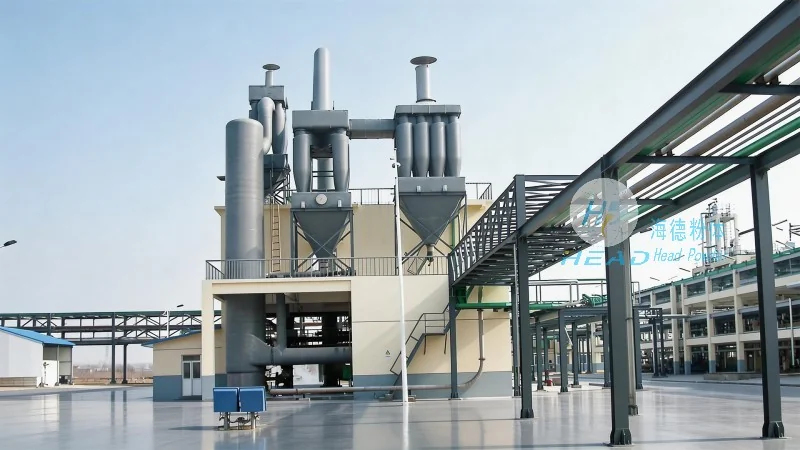
As the material travels through the system, it passes through the separation units where the material is separated from the air. The separated material is collected in a storage bin or processing unit, while the air is either filtered and recirculated or discharged to the atmosphere. The control system continuously monitors the flow rates and pressure levels, adjusting the air supply and material feed as needed to maintain optimal performance.
Advantages of the PVA-Formaldehyde Pneumatic Conveyor
The PVA-Formaldehyde Pneumatic Conveyor offers several advantages over traditional material handling methods. These include:
1. Efficiency and Speed: The pneumatic transport system allows for rapid and continuous material transfer, reducing handling time and increasing production throughput.
2. Dust-Free Operation: The enclosed system prevents dust emissions, improving workplace safety and compliance with environmental regulations.
3. Space Efficiency: The compact design of the conveyor system requires minimal floor space, making it suitable for installations with limited room.
4. Material Protection: The enclosed environment protects the PVA-formaldehyde material from moisture, contamination, and degradation, preserving its quality and properties.
5. Easy Integration: The conveyor can be easily integrated with existing processing equipment, allowing for seamless incorporation into production lines.
Applications and Industries
The PVA-Formaldehyde Pneumatic Conveyor is widely used in various industries that require the handling of PVA-formaldehyde and similar materials. These include:
1. Chemical Manufacturing: In the production of PVA-formaldehyde resins and other chemical products, the conveyor is used to transport raw materials and finished products.
2. Paper and Pulp Industry: PVA-formaldehyde is used as a binder in paper production, and the conveyor facilitates its transport to the papermaking machines.
3. Pharmaceutical Industry: The material is used in pharmaceutical formulations, and the conveyor provides safe and hygienic handling in production processes.
4. Food Processing: In some food applications, PVA-formaldehyde is used as a food additive, and the conveyor provides efficient transport in food processing facilities.
Maintenance and Operational Considerations
Proper maintenance is essential to ensure the longevity and efficiency of the PVA-Formaldehyde Pneumatic Conveyor. Regular inspections and cleaning of the components, particularly the separation units and piping, are recommended to prevent clogging and maintain optimal performance. The air supply system should be checked for proper operation and filter replacement as needed. Additionally, the control system should be calibrated periodically to ensure accurate monitoring and adjustment of system parameters.
Operators should also be trained on the proper operation of the conveyor, including safety procedures and emergency shutdown protocols. This ensures safe and efficient operation, minimizing downtime and maximizing productivity.
Conclusion
The PVA-Formaldehyde Pneumatic Conveyor, developed by Shandong HeadPowder Engineering Co., Ltd., is a reliable and efficient solution for the pneumatic transport of PVA-formaldehyde materials. Its robust design, advanced components, and operational principles make it an ideal choice for various industrial applications. By ensuring safe, dust-free, and efficient material handling, this equipment contributes to improved productivity and compliance with industry standards. Shandong HeadPowder Engineering Co., Ltd. continues to provide high-quality engineering solutions tailored to the specific needs of modern processing industries.




