Shandong HeadPowder Engineering Co., Ltd., commonly known as headpowder, is a professional manufacturer and supplier of pneumatic conveying systems based in Shandong, China. The company specializes in the design, development, and production of advanced equipment for material handling, particularly in the chemical and petrochemical industries. With a strong focus on innovation and quality, headpowder has established itself as a trusted partner for clients seeking reliable and efficient solutions for bulk material transport.
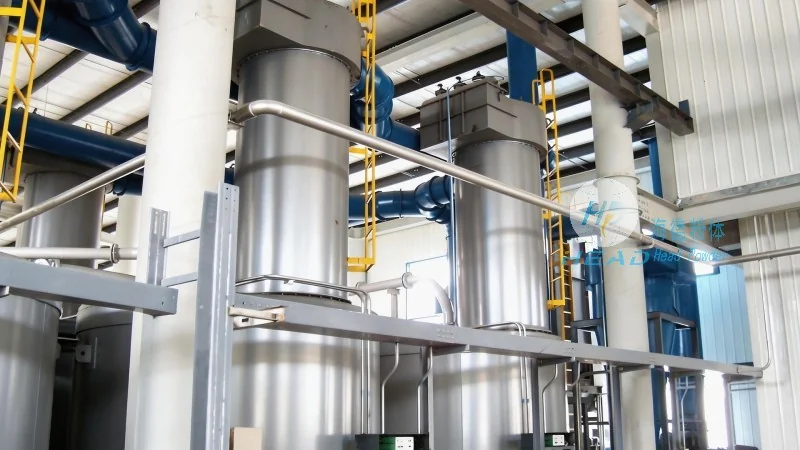
Overview of PTA Pneumatic Conveying System Equipment
The PTA (Polyethylene Terephthalate Acid) pneumatic conveying system is a critical component in the production and processing of PTA, a key raw material used in the manufacturing of polyester fibers and resins. This system is designed to safely and efficiently transport PTA powder from storage silos to processing units, such as reactors or reactors, without the need for mechanical components like conveyor belts or buckets. The equipment typically includes a series of key components, including a hopper, a rotary valve, a conveying line, and a receiver, all working in tandem to ensure smooth and continuous material flow.
Structural Principles of the PTA Pneumatic Conveying System
The structural design of the PTA pneumatic conveying system is based on the principle of pneumatic transport, where compressed air is used to move the material through a pipeline. The system operates by first loading the PTA powder into the hopper, which is equipped with a rotary valve to control the flow rate. The rotary valve then releases the material into the conveying line, where it is carried by the airflow. The conveying line is usually made of stainless steel or other corrosion-resistant materials to withstand the acidic nature of PTA. The receiver at the end of the line collects the material and discharges it into the next processing stage. The system also includes a filter and a dust collector to ensure that any fine particles are captured and returned to the system, maintaining a clean and safe working environment.
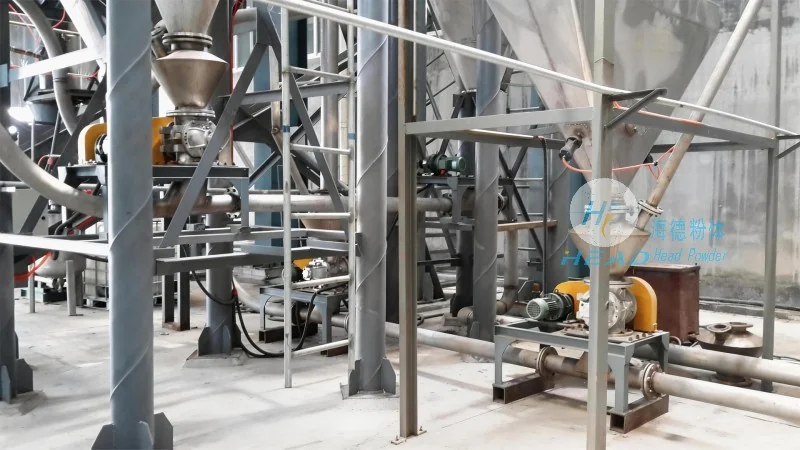
Key Components and Their Functions
Several key components make up the PTA pneumatic conveying system, each playing a vital role in the overall operation. The hopper serves as the storage and feeding unit, providing a consistent supply of material to the system. The rotary valve acts as a controlled gate, regulating the flow of PTA from the hopper into the conveying line. The conveying line is the main pathway for the material, with compressed air providing the necessary force to move the powder. The receiver collects the material at the end of the line and may include a discharge valve to control the output. Additionally, the system may include a pressure regulator to maintain consistent air pressure and a filter to remove any contaminants from the air.
Advantages of the PTA Pneumatic Conveying System
Compared to traditional mechanical conveying methods, the PTA pneumatic conveying system offers several advantages. Firstly, it eliminates the need for moving parts in contact with the material, reducing the risk of contamination and wear. Secondly, the system is highly flexible, allowing for changes in the layout or flow rate without major modifications. Thirdly, it provides a clean and dust-free environment, which is crucial in the chemical industry to prevent product contamination and ensure worker safety. Finally, the system is energy-efficient, as the compressed air can be recycled and reused, reducing operational costs.
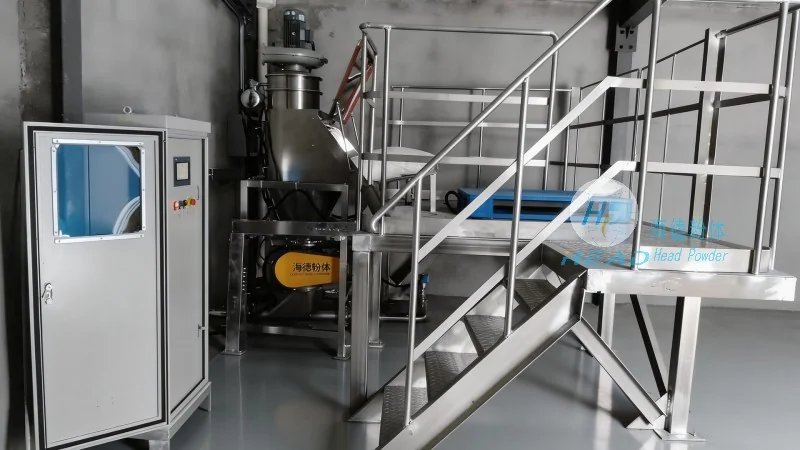
Applications and Industries
The PTA pneumatic conveying system is widely used in various industries, particularly in the chemical and petrochemical sectors. It is commonly employed in the production of PTA, as well as in the handling of other fine powders such as plastics, chemicals, and food products. The system is also used in pharmaceutical and food processing industries, where hygiene and safety are paramount. The versatility of the PTA pneumatic conveying system makes it an ideal choice for applications where traditional conveying methods are not suitable or efficient.
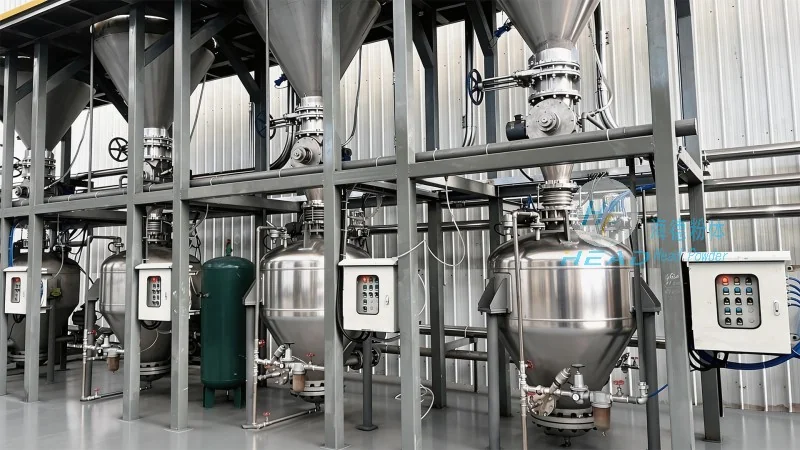
Maintenance and Operational Considerations
To ensure the optimal performance and longevity of the PTA pneumatic conveying system, regular maintenance is essential. This includes cleaning the hopper and conveying line to prevent clogging, checking the air pressure and flow rate, and inspecting the rotary valve and other components for wear and tear. Proper maintenance can help prevent system failures and reduce downtime, ensuring consistent and reliable operation. Additionally, operators should be trained on the proper use and operation of the system to avoid accidents and ensure safety.
Conclusion
In conclusion, the PTA pneumatic conveying system is a vital piece of equipment in the chemical and petrochemical industries, providing an efficient and reliable method for transporting PTA powder. With its advanced structural design and key components, the system offers numerous advantages over traditional conveying methods, including reduced contamination risk, increased flexibility, and improved safety. As a leading manufacturer, Shandong HeadPowder Engineering Co., Ltd. continues to innovate and improve its PTA pneumatic conveying systems to meet the evolving needs of its clients and the industry as a whole.




