When it comes to handling PTFE materials, selecting the right conveying method is crucial for maintaining product integrity and operational efficiency. PTFE, known for its exceptional chemical resistance and non-stick properties, often requires specialized equipment to ensure safe and effective transport. This article explores common PTFE conveying methods and highlights the advantages of HeadPowder's pneumatic conveying systems, a leading solution in the industry.
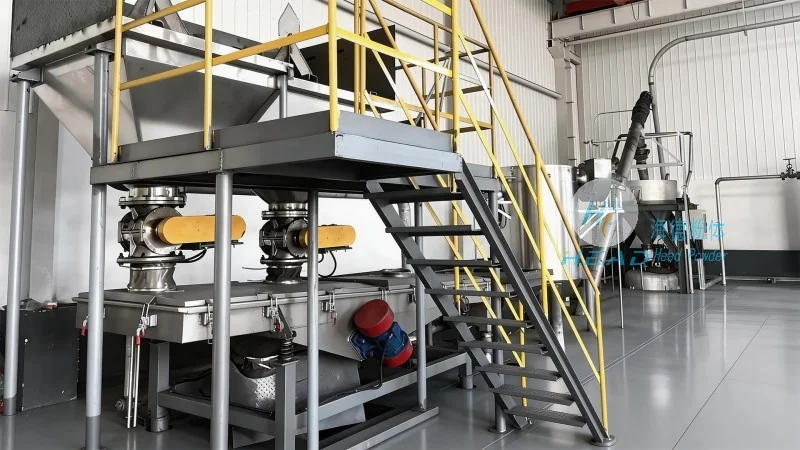
Understanding PTFE and Its Conveying Challenges
PTFE, or polytetrafluoroethylene, is a fluoropolymer widely used in industries such as chemical processing, pharmaceuticals, and aerospace due to its unique properties. However, its low friction coefficient and lightweight nature can pose challenges during material handling. Traditional conveying methods like belt conveyors or screw conveyors may not be suitable for PTFE, as they can cause material degradation or contamination. Therefore, specialized systems are often required to preserve the quality of PTFE products.
Common PTFE Conveying Methods
Several methods are commonly used to transport PTFE materials, each with its own set of advantages and limitations. The most prevalent approaches include:
1. Pneumatic Conveying: This method uses air or other gases to transport PTFE particles through a pipeline. It is ideal for handling fine powders and granules, as it minimizes product contact with equipment and reduces the risk of contamination. Pneumatic systems can be either pressure or vacuum-based, depending on the application.
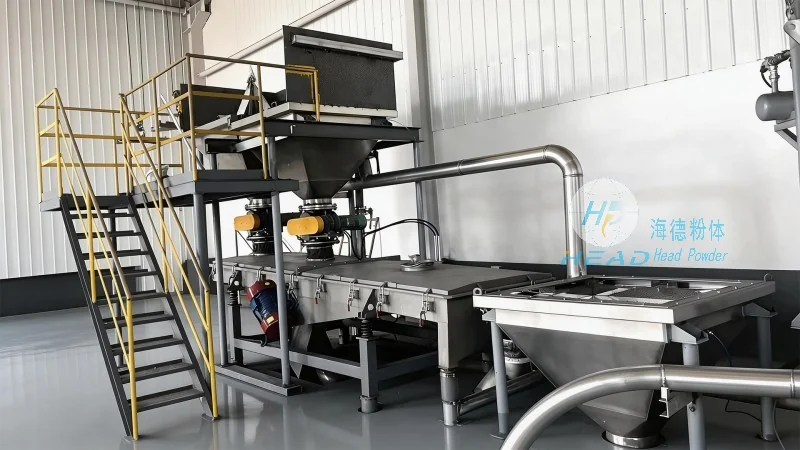
2. Vacuum Conveying: Similar to pneumatic conveying, vacuum systems use a negative pressure to draw PTFE materials into the pipeline. This method is particularly effective for transporting materials from multiple sources or over long distances, as it can handle varying particle sizes and flow rates.
3. Pressure Conveying: In pressure systems, compressed air or gas pushes PTFE particles through the pipeline. This approach is suitable for high-volume applications and can maintain consistent flow rates, making it ideal for continuous production lines.
4. Mechanical Conveying: While less common for PTFE due to its properties, mechanical systems like screw or belt conveyors are sometimes used for bulkier PTFE pieces. However, these methods may require additional cleaning and maintenance to prevent material buildup and contamination.
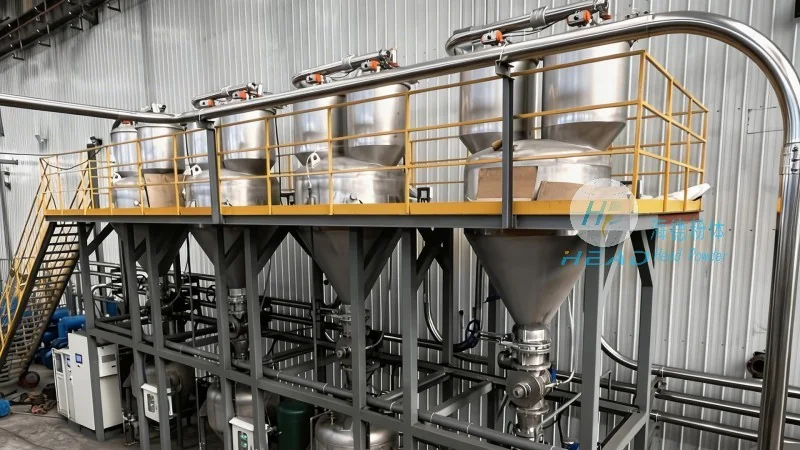
HeadPowder's Pneumatic Conveying Systems: Key Advantages
HeadPowder, a leading manufacturer of PTFE processing equipment based in Shandong, China, offers advanced pneumatic conveying systems designed specifically for PTFE applications. These systems are engineered to address the unique challenges of PTFE handling while ensuring optimal performance and reliability. The key advantages of HeadPowder's pneumatic conveying solutions include:
1. Chemical Resistance and Non-Stick Properties: HeadPowder's systems are constructed using high-quality materials that resist chemical attack and prevent PTFE from adhering to surfaces. This ensures that the material remains pure and free from contamination throughout the conveying process.
2. Low Maintenance and Easy Cleaning: The design of HeadPowder's pneumatic systems minimizes the risk of material buildup, making cleaning and maintenance more straightforward. This reduces downtime and operational costs for users.
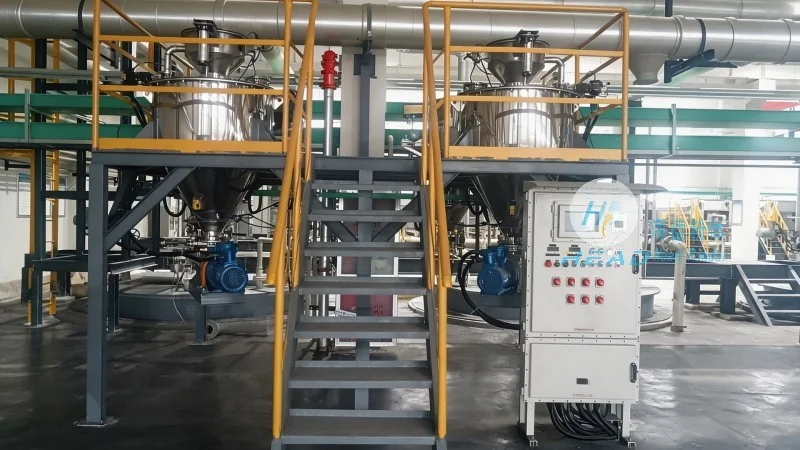
3. Customizable Solutions: HeadPowder provides tailored pneumatic conveying systems to meet the specific needs of each application. Whether it's for fine powders or bulk granules, their solutions can be customized in terms of flow rate, pressure, and system size to ensure optimal performance.
4. Energy Efficiency: Advanced control systems in HeadPowder's pneumatic conveyors optimize air usage, reducing energy consumption and operational costs. This makes their systems both cost-effective and environmentally friendly.
Conclusion
Choosing the right PTFE conveying method is essential for maintaining product quality and operational efficiency. While traditional methods may not be suitable for PTFE, pneumatic conveying systems offer a reliable and effective solution. HeadPowder's expertise in PTFE processing and their advanced pneumatic conveying systems provide a superior alternative, ensuring that PTFE materials are handled with the care and precision they require. For industries relying on PTFE, investing in a high-quality pneumatic conveying system from HeadPowder is a strategic decision that enhances product integrity and operational performance.




