For industrial applications involving the handling of fine powder electrolytes, an efficient and reliable pneumatic conveying system is crucial. The design of such a system requires careful consideration of material properties, flow dynamics, and operational requirements to ensure optimal performance and safety. This article explores the key aspects of designing a pneumatic conveying system specifically for powder electrolytes, highlighting the technical considerations and practical solutions offered by Shandong HeadPowder Engineering Co., Ltd.
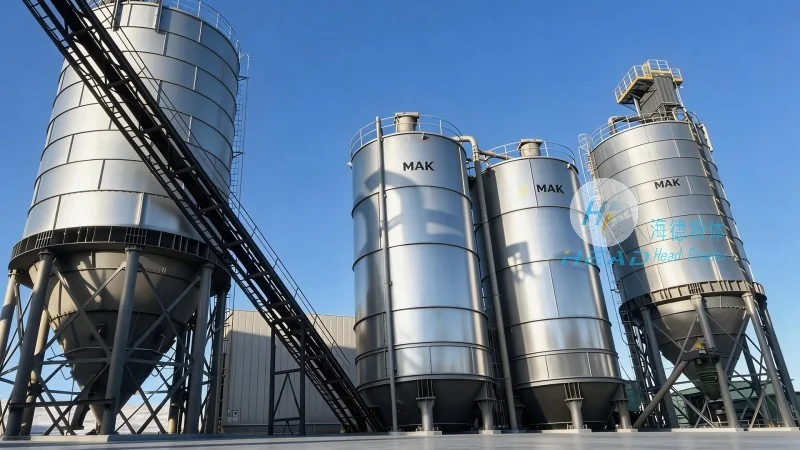
Pneumatic Conveying System Overview
A pneumatic conveying system uses air or other gases to transport bulk materials through a pipeline. For powder electrolytes, which are often sensitive to moisture and contamination, the system design must prioritize material integrity and process efficiency. The system typically consists of a feeding device, a conveying pipeline, a control unit, and a discharge mechanism. Each component plays a critical role in maintaining the quality and flow of the electrolyte powder throughout the conveying process.
Key Design Considerations for Powder Electrolyte Conveying
When designing a pneumatic conveying system for powder electrolytes, several factors must be taken into account to ensure successful operation. First, the particle size and density of the electrolyte powder are critical. Fine particles may require higher air velocities to prevent clogging, while denser materials may need more pressure or a different conveying method. Second, the moisture content and hygroscopic nature of the powder must be considered, as excessive moisture can lead to clumping and reduced flow. Third, the system must be designed to minimize material degradation, such as agglomeration or oxidation, which can affect the performance of the electrolyte in downstream processes. Finally, the system should be equipped with appropriate filtration and cleaning mechanisms to maintain air quality and prevent contamination.
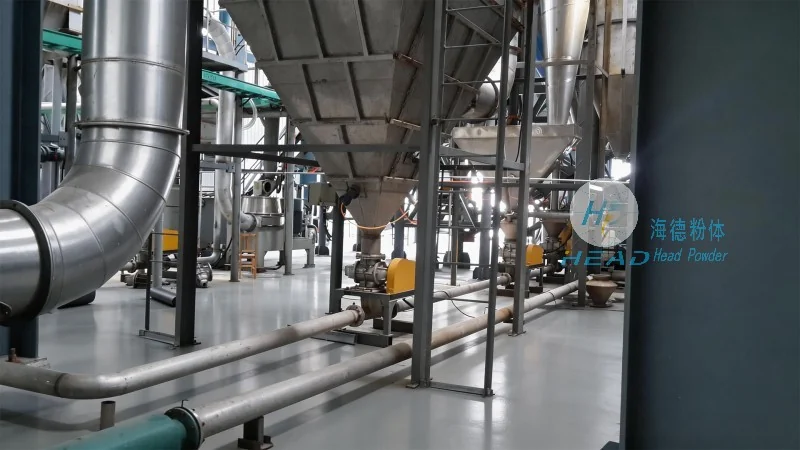
System Components and Their Functions
Shandong HeadPowder Engineering Co., Ltd. specializes in designing and manufacturing customized pneumatic conveying systems tailored to the unique needs of powder electrolyte applications. The core components of a typical system include:
- Feeding Device: This component is responsible for introducing the powder electrolyte into the conveying pipeline. It may include a hopper with a rotary valve or a vacuum feeder to ensure a consistent and controlled flow of material.
- Conveying Pipeline: The pipeline is designed with smooth, corrosion-resistant materials to prevent material buildup and ensure efficient air flow. The diameter and length of the pipeline are optimized based on the material characteristics and required conveying distance.
- Control Unit: The control unit monitors and regulates the air pressure, flow rate, and material feed rate. It may include sensors to detect blockages or changes in material flow, allowing for automatic adjustments to maintain system stability.
- Discharge Mechanism: The discharge device, such as a rotary valve or a pressure vessel, collects the powder electrolyte at the destination point. It is designed to prevent air leakage and ensure a clean, controlled discharge of the material.
Advantages of Pneumatic Conveying for Powder Electrolytes
Compared to traditional mechanical conveying methods, pneumatic conveying offers several advantages for handling powder electrolytes. These include:
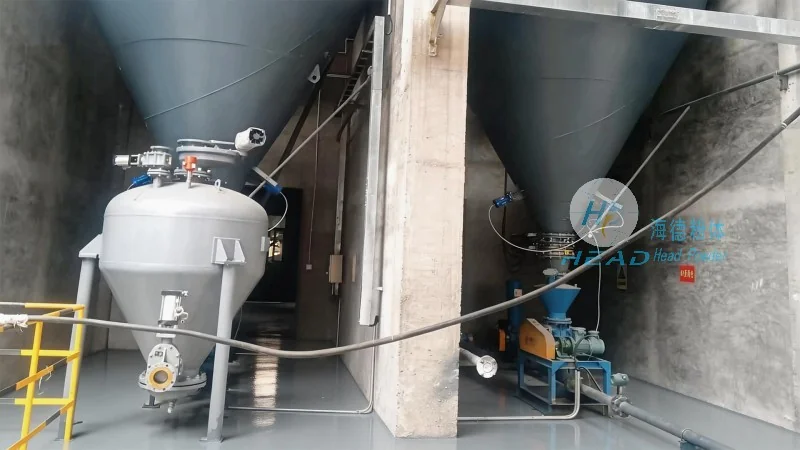
- Reduced Material Contamination: The enclosed pipeline system minimizes exposure to external contaminants, ensuring the purity of the electrolyte powder.
- Improved Process Efficiency: The system can handle long conveying distances with minimal pressure loss, reducing energy consumption and operational costs.
- Flexibility in Layout: Pneumatic conveying systems can be easily integrated into existing industrial layouts, allowing for flexible material transport between different processing units.
- Enhanced Safety: The enclosed system reduces the risk of dust explosions and improves workplace safety by containing the material within the pipeline.
Customization and Application Examples
Shandong HeadPowder Engineering Co., Ltd. provides customized solutions for various applications involving powder electrolytes. For example, in battery manufacturing, the system can efficiently transport lithium electrolyte powders from storage to processing lines. In chemical processing, it can handle electrolyte powders used in electroplating or battery production, ensuring consistent quality and flow. The company’s expertise in material science and pneumatic engineering allows for the design of systems that meet specific operational requirements, such as high-purity standards or low-pressure operation.
Conclusion
The design of a pneumatic conveying system for powder electrolytes is a complex process that requires a deep understanding of material properties and system dynamics. By addressing key design considerations and utilizing advanced components, Shandong HeadPowder Engineering Co., Ltd. offers reliable and efficient solutions for industrial applications. The benefits of pneumatic conveying, including reduced contamination, improved efficiency, and enhanced safety, make it an ideal choice for handling sensitive powder electrolytes. With its commitment to quality and customization, the company continues to provide innovative solutions to meet the evolving needs of the industry.




