When it comes to the efficient and reliable transportation of fermented grain, or mash, in the brewing industry, pneumatic conveying systems have emerged as a critical solution. These systems offer a hygienic, dust-free, and energy-efficient method to move bulk materials like fermented grain from one location to another, ensuring minimal product degradation and maintaining quality throughout the process. For businesses in the brewing sector, selecting the right pneumatic conveying system involves careful design calculations and precise equipment selection to meet operational demands and budget constraints.
Key Design Considerations for Fermented Grain Pneumatic Conveying
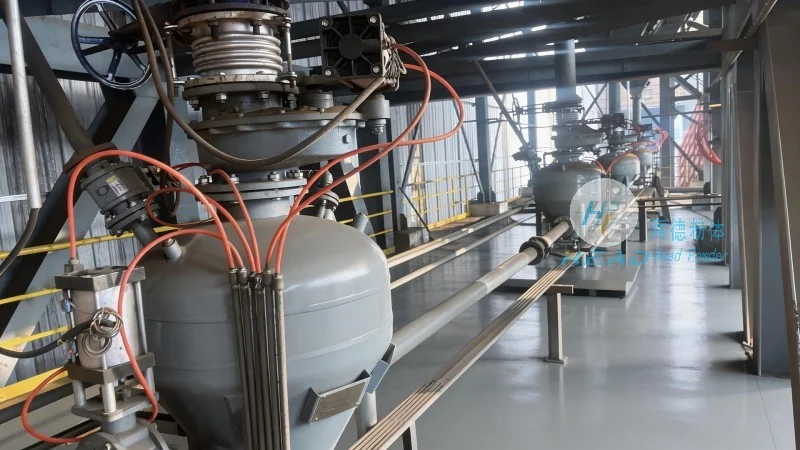
The success of a pneumatic conveying system for fermented grain hinges on accurate design calculations that account for various operational parameters. The first step is determining the required material flow rate, which depends on the production capacity of the brewery. This flow rate, measured in kilograms per hour or tons per hour, dictates the size of the conveying line and the power of the air source. Engineers must also consider the physical properties of the fermented grain, such as particle size, moisture content, and bulk density, as these factors influence the air velocity needed to keep the material suspended in the pipeline. Additionally, the system's layout—whether it involves horizontal, vertical, or a combination of both—impacts the pressure drop across the line and the overall energy consumption. Proper design calculations ensure that the system operates within safe pressure limits and maintains consistent material flow, preventing blockages or excessive energy use.
Equipment Selection for Fermented Grain Pneumatic Conveying
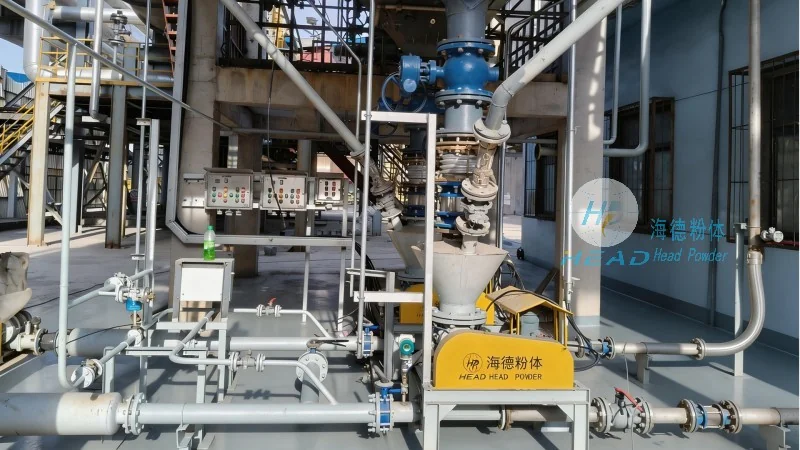
Choosing the appropriate equipment for a fermented grain pneumatic conveying system requires a thorough evaluation of each component's role in the process. The primary equipment includes the material feeder, which must handle the bulk density and flow characteristics of the fermented grain without causing clogging or uneven discharge. For fermented grain, which can be sticky or have varying particle sizes, a rotary valve or a screw feeder may be preferred to ensure consistent material feed. The air source, typically a blower or a compressor, provides the necessary pressure and airflow to move the material through the pipeline. The selection of the blower type—centrifugal, positive displacement, or regenerative—depends on the system's pressure requirements and the desired air volume. The conveying line itself, made from materials like stainless steel or food-grade plastic, must be resistant to corrosion and easy to clean, as fermented grain can be acidic or contain residues that could affect hygiene. Separation equipment, such as cyclones or filters, is essential to remove air from the material stream and prevent dust accumulation in the system. Finally, the discharge system, including a receiver or a storage bin, must be designed to handle the fermented grain without causing spillage or contamination.
Application of Pneumatic Conveying in Fermented Grain Handling
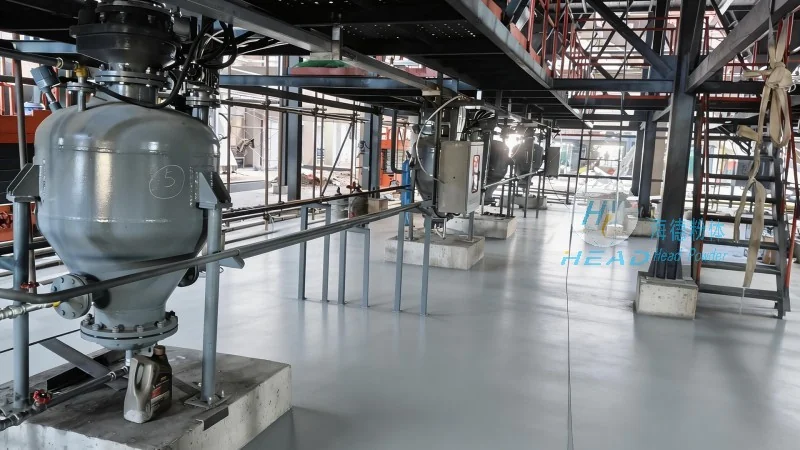
In the brewing industry, pneumatic conveying systems are commonly used to transport fermented grain from the fermentation tanks to the storage silos or to the next processing stage, such as mashing or distillation. This application requires a system that can handle large volumes of material while maintaining the integrity of the fermented grain. The design calculations must account for the vertical lift required to move the material from the fermentation tanks to elevated storage areas, often involving vertical conveying lines that may need to overcome significant pressure losses due to elevation changes. The equipment selection in this scenario may include a combination of horizontal and vertical conveying lines, with appropriate bends and elbows to maintain air velocity and prevent material settling. The system must also be equipped with safety features, such as pressure relief valves and air filters, to protect against overpressure and ensure clean air quality. By using a pneumatic conveying system, breweries can streamline their material handling processes, reduce labor costs, and improve overall operational efficiency.
About HeadPowder Engineering
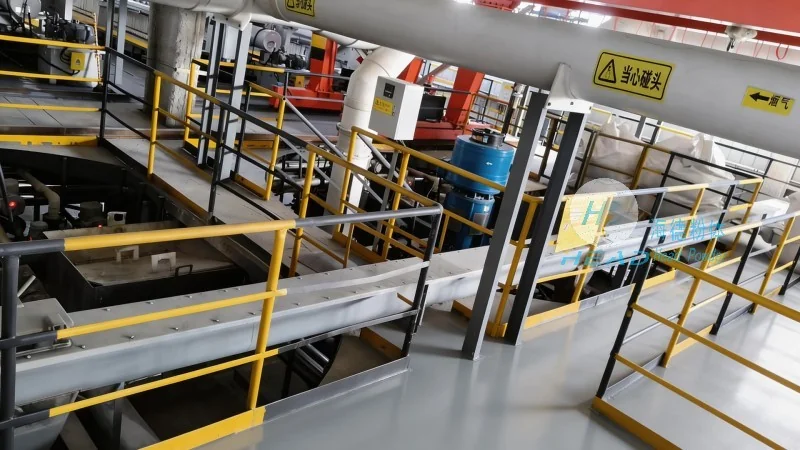
HeadPowder Engineering, operating under the brand name headpowder, is a leading provider of engineering solutions for pneumatic conveying systems in the food and beverage industry. With a focus on fermented grain handling, the company specializes in design calculations and equipment selection tailored to the unique needs of breweries. HeadPowder Engineering is headquartered in Shandong, China, and serves clients globally with customized solutions that meet strict hygiene and quality standards. The company's team of experienced engineers uses advanced software and industry best practices to ensure that each pneumatic conveying system is optimized for performance, reliability, and cost-effectiveness. By partnering with headpowder, breweries can enhance their material handling capabilities and achieve greater efficiency in their production processes.




