

[Sawdust and Wood Flakes Pneumatic Conveying: Efficient Air Flow for Bulk Powder Handling]
Efficient material handling is a critical concern for industries dealing with bulk powders, particularly in applications involving sawdust and wood flakes. Traditional methods such as manual handling or mechanical conveyors often present challenges like dust exposure, material degradation, and operational inefficiencies. Pneumatic conveying offers a solution by utilizing air flow to transport these materials, enhancing safety, hygiene, and process reliability. This article explores the principles and applications of pneumatic conveying for sawdust and wood flakes, focusing on how to achieve efficient material transport through air flow systems.
Pneumatic Conveying Basics: The Core Technology
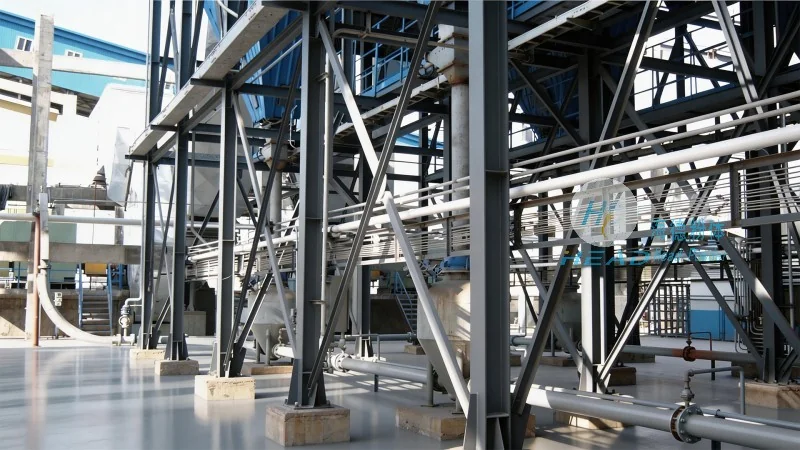
Pneumatic conveying systems operate by transporting bulk materials through a pipeline using pressurized or vacuum air. The technology is widely used across various industries, including woodworking, biomass processing, and agricultural applications. For sawdust and wood flakes, the choice of conveying system depends on factors like material characteristics, distance, and desired throughput. Two primary types of pneumatic conveying are commonly employed: pressure and vacuum systems. Pressure systems use compressed air to push material through the pipeline, while vacuum systems create a negative pressure to draw material into the system. Each type has its advantages and is selected based on specific operational requirements.
Key Considerations for Sawdust and Wood Flakes Handling
When designing a pneumatic conveying system for sawdust and wood flakes, several key considerations must be addressed to ensure optimal performance. First, the physical properties of the material, such as particle size, moisture content, and bulk density, significantly impact system design. Sawdust and wood flakes typically have irregular shapes and varying sizes, which can affect flow characteristics and system efficiency. Moisture content is another critical factor, as high moisture levels can lead to material caking or increased friction within the pipeline. Additionally, the presence of contaminants, such as metal fragments or debris, requires proper filtration and separation mechanisms to maintain system integrity and prevent equipment damage.
System Components and Design for Efficient Transport
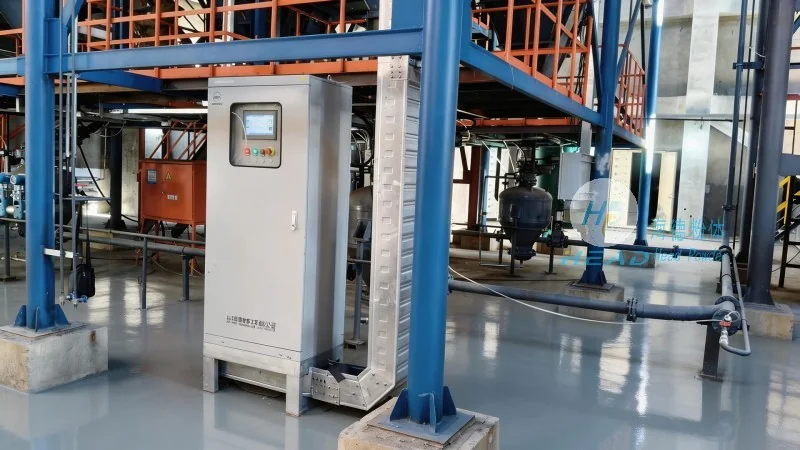
A pneumatic conveying system for sawdust and wood flakes consists of several essential components, each playing a vital role in the material transport process. The primary components include the material feed hopper, air compressor or vacuum pump, conveying pipeline, and material discharge equipment. The feed hopper is designed to store and feed the material into the system, ensuring a consistent flow rate. The air compressor or vacuum pump provides the necessary pressure or vacuum to move the material through the pipeline. The conveying pipeline, typically made of stainless steel or other corrosion-resistant materials, is designed to withstand the abrasive nature of sawdust and wood flakes. The pipeline layout, including bends and elbows, is carefully engineered to minimize pressure drop and maintain material velocity. At the discharge end, equipment such as rotary valves or cyclones separates the material from the air stream, allowing for clean material discharge and air filtration.
Optimizing Air Flow and Pressure for Maximum Efficiency
Optimizing air flow and pressure is crucial for achieving efficient pneumatic conveying of sawdust and wood flakes. The air velocity within the pipeline must be sufficient to prevent material settling or clogging but not excessive, which could lead to increased energy consumption and wear on system components. The pressure drop across the system is a key metric, as it indicates the energy required to transport the material. Proper system sizing, including the selection of the appropriate air compressor capacity and pipeline diameter, is essential to minimize pressure drop and maximize efficiency. Additionally, the use of air knives or other flow conditioning devices can help maintain consistent material flow and reduce pressure fluctuations. Regular maintenance and monitoring of system parameters, such as air pressure and material flow rate, are necessary to ensure long-term operational efficiency.
Applications and Benefits in Industrial Settings
Pneumatic conveying systems for sawdust and wood flakes find applications in various industrial settings, including wood processing plants, biomass energy facilities, and agricultural processing operations. In wood processing, these systems are used to transport sawdust from the sawmill to storage silos or processing units, improving workflow and reducing manual handling. In biomass energy facilities, pneumatic conveying is employed to transport wood flakes to boilers or gasifiers, enhancing the efficiency of energy production. The benefits of pneumatic conveying in these applications include improved safety by reducing dust exposure, enhanced hygiene by minimizing material contamination, and increased operational efficiency through automated material transport. Additionally, the technology reduces labor costs and minimizes material degradation compared to traditional handling methods.
Case Study: HeadPowder's Pneumatic Conveying Solutions
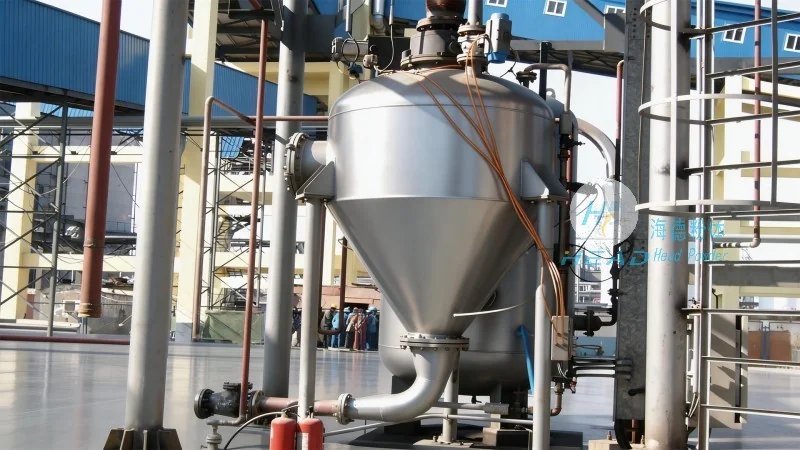
Shandong HeadPowder Engineering Co., Ltd., a leading provider of material handling solutions, specializes in designing and manufacturing pneumatic conveying systems tailored to the unique needs of sawdust and wood flakes applications. The company, commonly referred to as HeadPowder, has extensive experience in the wood processing and biomass industries, providing customized solutions that enhance operational efficiency and safety. One of their key products is the high-efficiency pneumatic conveying system designed specifically for sawdust and wood flakes, which incorporates advanced features to optimize material transport. The system utilizes a combination of pressure and vacuum conveying modes, allowing for flexible operation based on the specific requirements of the application. The components, including the feed hopper, air compressor, and pipeline, are engineered to withstand the abrasive nature of the material, ensuring long-term reliability and minimal maintenance. HeadPowder's expertise in material handling technology has enabled them to deliver systems that meet the demanding requirements of modern industrial operations, providing customers with reliable and efficient solutions for their sawdust and wood flakes transport needs.
Conclusion: Enhancing Efficiency with Pneumatic Conveying
Pneumatic conveying offers a highly effective solution for the efficient transport of sawdust and wood flakes, addressing the challenges associated with traditional material handling methods. By leveraging air flow to move bulk materials, these systems enhance safety, hygiene, and operational efficiency in industrial settings. The key to successful implementation lies in proper system design, considering material properties, and optimizing air flow and pressure. Companies like Shandong HeadPowder Engineering Co., Ltd. play a crucial role in providing tailored pneumatic conveying solutions that meet the specific needs of industries dealing with sawdust and wood flakes. As the demand for efficient material handling continues to grow, pneumatic conveying technology remains a vital component in modern industrial operations, ensuring reliable and sustainable transport of bulk powders.