

Classification and Composition of Powdered Explosive Pneumatic Conveying Systems
HeadPowder, a leading enterprise in the field of pneumatic conveying technology, specializes in the design, manufacturing, and installation of systems for transporting powdered explosives. This article provides an in-depth look at the classification and essential components of such systems, highlighting the key elements that ensure efficient and safe operation.
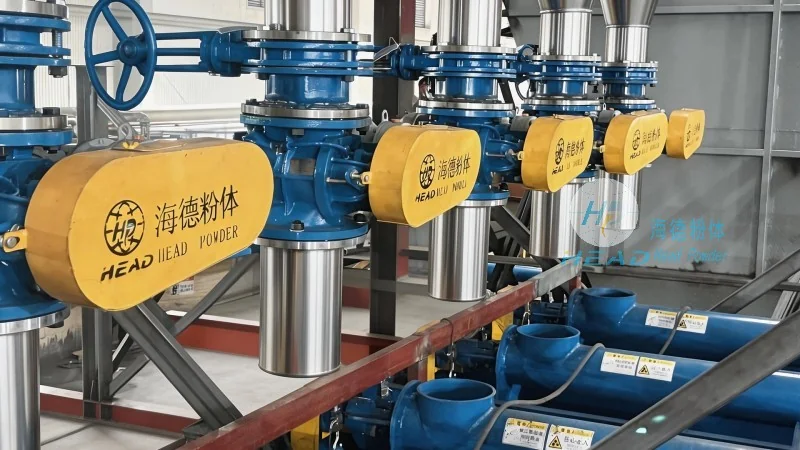
Introduction to Powdered Explosive Pneumatic Conveying Systems
Pneumatic conveying systems are widely used in the explosives industry to transport powdered materials such as gunpowder, blasting agents, and other explosive powders. These systems utilize air or other gases to move materials through a pipeline, offering advantages like dust control, reduced labor costs, and enhanced safety compared to traditional methods like manual handling or mechanical conveyors. The effectiveness of a pneumatic conveying system depends heavily on its proper classification and the integration of key components that work in harmony to achieve optimal performance.
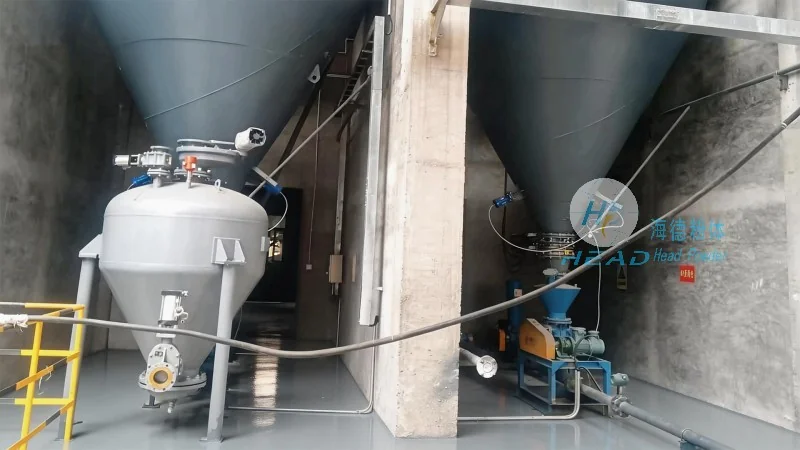
Classification of Powdered Explosive Pneumatic Conveying Systems
Based on the method of air flow and material transport, powdered explosive pneumatic conveying systems can be classified into two main categories: dilute-phase and dense-phase systems. Dilute-phase systems, also known as low-pressure or high-velocity systems, use high-velocity air to suspend the powder particles in the air stream, allowing them to travel through the pipeline. This type of system is suitable for short to medium distances and for materials that are non-abrasive and have good flow characteristics. Dense-phase systems, on the other hand, use lower air velocities and higher pressure to push the powder in a plug or slurry form through the pipeline. These systems are ideal for long-distance transport and for handling abrasive or difficult-to-flow materials, as they minimize particle degradation and system wear.
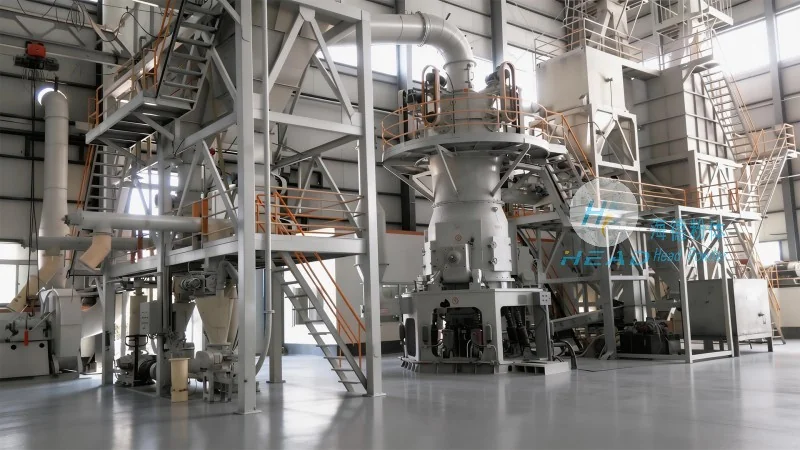
Key Components of a Powdered Explosive Pneumatic Conveying System
The successful operation of a powdered explosive pneumatic conveying system relies on the integration of several critical components, each playing a vital role in the overall process. The primary components include:
- Pneumatic Conveying Hopper: This is the initial storage and feeding unit where the powdered explosive is loaded. The hopper is designed to maintain a consistent material level and to provide a controlled feed rate to the system. For explosive powders, the hopper is typically equipped with explosion-proof features and material flow aids to prevent bridging and ensure smooth material discharge.
- Pneumatic Conveying Blower or Fan: The blower or fan is the heart of the system, responsible for generating the necessary air pressure and flow to move the powder. In explosive applications, special explosion-proof blowers are used to prevent the ignition of dust clouds. The choice of blower type (e.g., centrifugal, positive displacement) depends on the system's pressure requirements and the material's properties.
- Pneumatic Conveying Pipeline: The pipeline is the conduit through which the air and powder travel. It is typically made of stainless steel or other corrosion-resistant materials to withstand the abrasive nature of explosive powders. The pipeline is designed with appropriate bends, elbows, and straight sections to minimize pressure loss and maintain the stability of the powder-air mixture.
- Pneumatic Conveying Receiver or Discharge Bin: The receiver is the final storage unit where the transported powder is deposited. It is equipped with dust collection systems and explosion-proof venting to ensure safe handling of the material. The receiver may also include level sensors and control mechanisms to monitor the material level and trigger the feeding process when needed.
- Pneumatic Conveying Control System: This component manages the operation of the entire system, including the blower speed, feed rate, and pressure. It uses sensors and controls to maintain optimal conditions, prevent overloading, and ensure the safe and efficient transport of the explosive material. The control system may include features like automatic shutdown in case of abnormal conditions or pressure spikes.
Design Considerations for Safe and Efficient Operation
When designing a powdered explosive pneumatic conveying system, several factors must be considered to ensure safety and efficiency. These include:
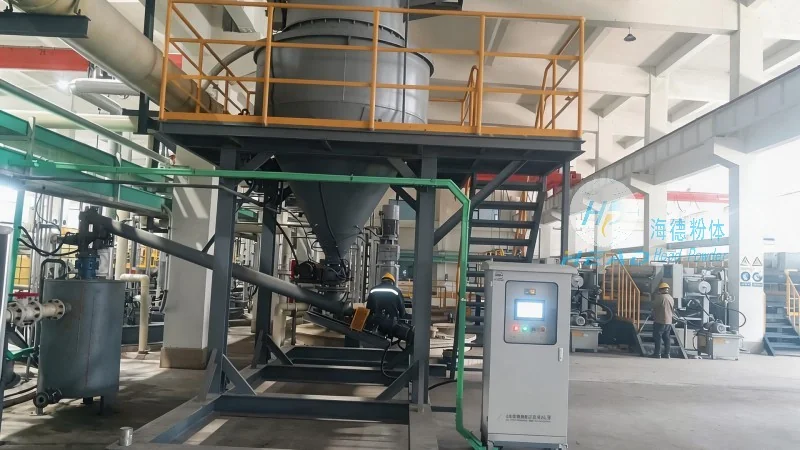
- Explosion Prevention: Due to the flammable nature of explosive powders, all components of the system must be explosion-proof. This includes the blower, hopper, and pipeline, which are often constructed with flame arrestors and explosion venting systems to prevent the propagation of explosions.
- Material Compatibility: The choice of materials for the hopper, pipeline, and other components must be compatible with the specific explosive powder being transported. Abrasive materials may require special coatings or linings to prevent wear and damage.
- Pressure and Flow Control: Proper control of air pressure and flow rate is crucial to prevent material degradation and system wear. Excessive pressure can cause particle breakage, while insufficient pressure may lead to blockages or reduced transport efficiency.
- Monitoring and Maintenance: Regular monitoring of system performance and routine maintenance are essential to ensure long-term reliability. This includes checking for leaks, inspecting components for wear, and cleaning the system to prevent material buildup.
Conclusion
HeadPowder Engineering Co., Ltd., based in Shandong, China, is a trusted provider of advanced pneumatic conveying systems for the explosives industry. By understanding the classification and key components of these systems, as well as the critical design considerations for safety and efficiency, users can select and operate systems that meet their specific needs. The integration of explosion-proof components, robust materials, and intelligent control systems ensures that powdered explosive pneumatic conveying systems can operate safely and effectively, contributing to improved productivity and reduced operational risks in the explosives sector.