For industrial applications involving cocoa processing, efficient material handling is crucial. The classification and composition of cocoa pneumatic conveying systems play a vital role in optimizing production lines, ensuring product quality, and enhancing operational efficiency. This article explores the key aspects of such systems, detailing their classification, core components, and the technical considerations that contribute to their effectiveness in cocoa processing environments.
Introduction to Cocoa Pneumatic Conveying Systems
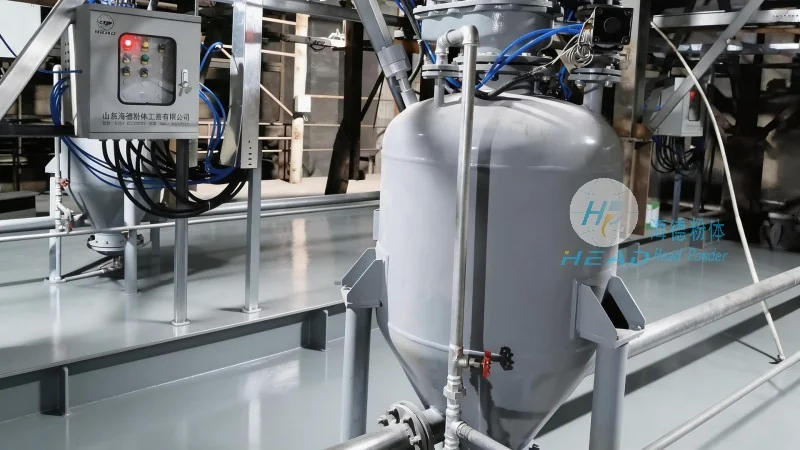
Cocoa pneumatic conveying systems are essential for transporting cocoa beans, powder, and other related materials within processing facilities. These systems utilize air or gas to move materials through a network of pipes, offering advantages such as reduced contamination, improved hygiene, and the ability to handle delicate products without mechanical wear. The design and selection of these systems depend on factors like material properties, processing capacity, and the specific requirements of the cocoa production line.
Classification of Cocoa Pneumatic Conveying Systems
Cocoa pneumatic conveying systems can be broadly classified into two main categories: pressure and vacuum systems. Pressure systems operate by forcing air or gas through the conveying line, typically using positive displacement blowers or rotary lobe pumps to generate the necessary pressure. Vacuum systems, on the other hand, create a negative pressure environment by extracting air from the system, often using vacuum pumps or fans. Each type has distinct applications and performance characteristics that make them suitable for different stages of cocoa processing.
Core Components of Cocoa Pneumatic Conveying Systems
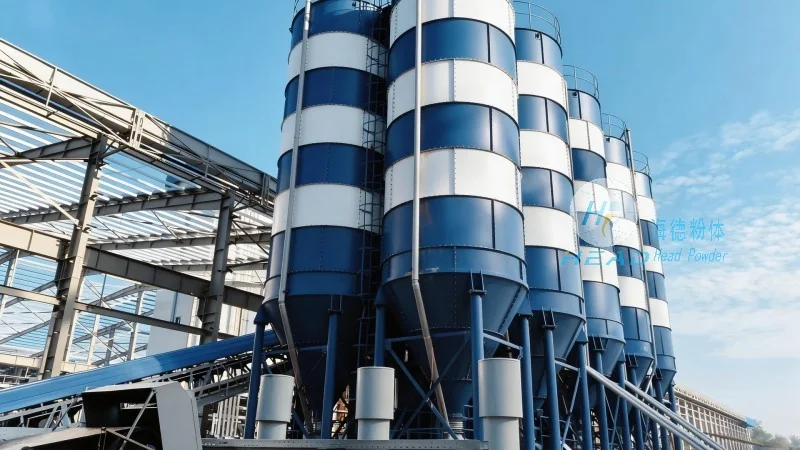
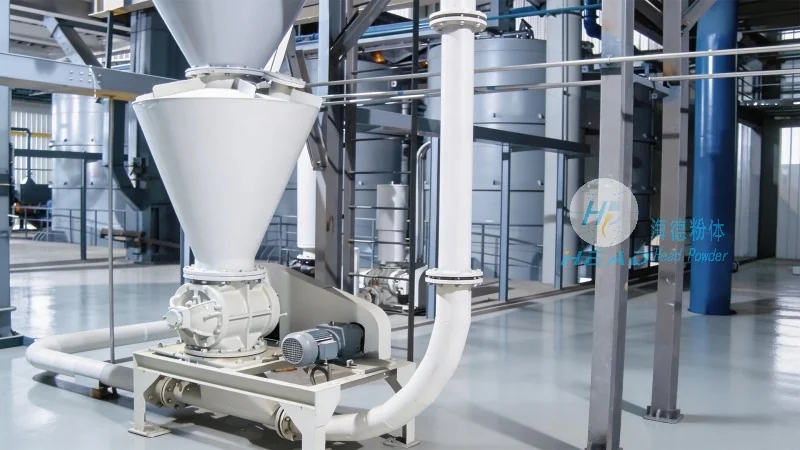
The effective operation of cocoa pneumatic conveying systems relies on several key components. These include the conveying line, which consists of pipes and fittings designed to withstand the pressure or vacuum conditions. Feeders are used to introduce materials into the system, ensuring a consistent flow rate. Blowers or vacuum pumps provide the necessary air or gas to move the material. Separators are critical for separating the conveyed material from the air stream, preventing clogging and maintaining system efficiency. Filters are used to clean the air and protect downstream equipment from dust and debris. Additionally, control systems manage the operation of the components, ensuring safe and efficient performance.
Company Overview: Shandong HeadPowder Engineering Co., Ltd.
HeadPowder, a leading provider of industrial conveying solutions, specializes in designing and manufacturing high-quality cocoa pneumatic conveying systems. With years of experience in the industry, the company has developed a reputation for delivering reliable, efficient, and cost-effective solutions tailored to the unique needs of cocoa processing facilities. HeadPowder's commitment to innovation and customer satisfaction has made it a trusted partner for businesses seeking to optimize their material handling processes.
Technical Advantages of Cocoa Pneumatic Conveying Systems
Compared to traditional mechanical conveying methods, cocoa pneumatic conveying systems offer several technical advantages. These include reduced product degradation due to minimal contact with equipment, improved hygiene through enclosed systems, and the ability to handle a wide range of material sizes and densities. The systems also provide flexibility in layout, allowing for integration into existing production lines without major structural changes. Furthermore, the use of air as the conveying medium reduces the risk of contamination from external sources, ensuring that the cocoa products meet stringent quality and safety standards.
Application Examples in Cocoa Processing
Cocoa pneumatic conveying systems are widely used in various stages of cocoa processing. For instance, in the initial stages, systems may be used to transport raw cocoa beans from storage to grinding equipment. During the powder production phase, they efficiently move cocoa powder from grinding mills to packaging lines. Additionally, these systems can handle intermediate products such as cocoa butter or cocoa liquor, ensuring smooth and continuous production flow. The adaptability of the systems allows them to be customized for specific processing requirements, making them a versatile solution for cocoa manufacturers.
Conclusion and Contact Information
In conclusion, the classification and composition of cocoa pneumatic conveying systems are critical to the success of cocoa processing operations. By understanding the different types of systems and their components, manufacturers can select the most appropriate solution to meet their operational needs. HeadPowder, with its expertise and commitment to quality, offers reliable and efficient conveying systems that enhance productivity and product quality. For more information or to explore customized solutions, please contact Shandong HeadPowder Engineering Co., Ltd., located in Shandong, China.




