Chloroprene rubber, also known as neoprene, is a synthetic rubber prized for its exceptional resistance to oil, chemicals, and environmental factors. Pneumatic conveying systems are indispensable for efficiently transporting chloroprene rubber from production sites to processing facilities. A thorough understanding of the classification and composition of these systems is vital for optimizing material handling processes and ensuring operational efficiency.
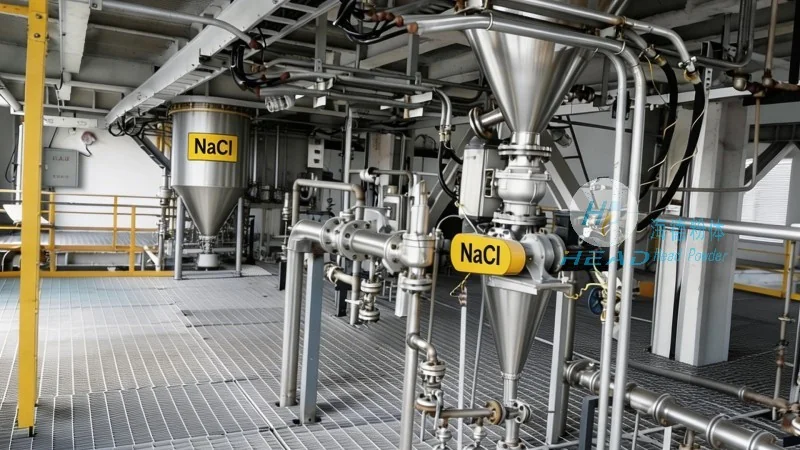
Overview of Chloroprene Rubber Pneumatic Conveying Systems
Pneumatic conveying systems for chloroprene rubber are typically categorized based on pressure and material handling methods. The primary classifications include positive pressure, negative pressure, and mixed pressure systems. Each type offers distinct advantages tailored to specific operational needs, such as material properties, transport distance, and environmental constraints.
Key Components of Chloroprene Rubber Pneumatic Conveying Systems
The composition of a chloroprene rubber pneumatic conveying system comprises several critical components designed to handle the unique characteristics of the material, including its density, particle size, and resistance to degradation during transport.
1. Material Hopper and Feeder
The material hopper serves as the initial storage unit for chloroprene rubber before it enters the conveying line. It is engineered to accommodate bulk quantities of the material and maintain a consistent feed rate. The feeder, commonly a rotary valve or screw feeder, regulates the flow of chloroprene rubber into the system. This component is essential for preventing material buildup and ensuring a smooth, continuous flow into the conveying line.
2. Conveying Pipe and Tubing
The conveying pipe or tubing forms the main channel for transporting chloroprene rubber. The material is carried by a stream of air, which can be either positive or negative pressure. The choice of pipe material is critical, as it must resist the chemical properties of chloroprene rubber and withstand the pressure and temperature conditions of the system. Common materials for the conveying pipe include stainless steel, polyethylene, or specialized rubber-lined pipes to prevent corrosion and material adhesion.
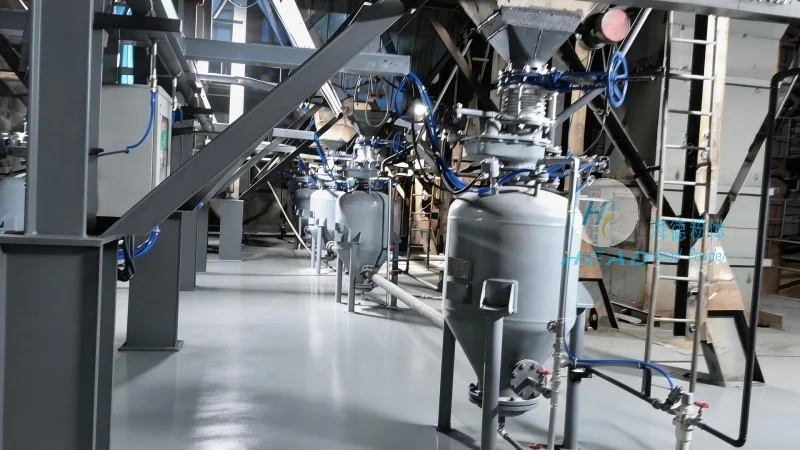
3. Air Supply and Blower Unit
The air supply system provides the necessary airflow to move chloroprene rubber through the conveying pipe. The blower unit, which can be a positive displacement blower or a centrifugal fan, generates the pressure required for transport. The capacity of the blower is determined by the volume of material to be conveyed and the distance it needs to travel. Proper sizing of the blower ensures efficient operation and minimizes energy consumption.
4. Control Valves and Regulators
Control valves and regulators are essential for managing airflow and pressure within the system. These components allow operators to adjust the conveying rate, control system pressure, and prevent backflow or overpressure conditions. For chloroprene rubber systems, valves made of corrosion-resistant materials are preferred to ensure long-term durability and performance.
5. Dust Collection and Filtration System
Due to the fine particle nature of chloroprene rubber, a dust collection and filtration system is often integrated into the pneumatic conveying setup. This system captures airborne particles, preventing dust accumulation in the facility and ensuring compliance with environmental regulations. The filtration unit typically uses high-efficiency particulate air (HEPA) filters or similar technology to remove fine particles from the exhaust air.
6. Discharge and Diverter Equipment
The discharge equipment delivers chloroprene rubber to its final destination, such as a storage silo or processing equipment. Diverter valves or rotary airlocks direct the material flow to the appropriate outlet, preventing cross-contamination and ensuring accurate delivery. These components are designed to handle the abrasive properties of chloroprene rubber and maintain a clean, efficient operation.
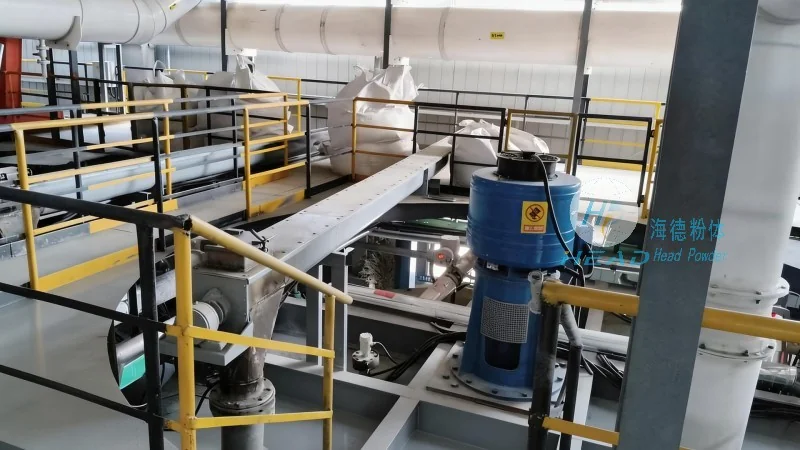
System Classification Based on Pressure
Positive pressure systems are the most prevalent type for chloroprene rubber pneumatic conveying. In these systems, air is forced into the conveying pipe, creating a pressure higher than ambient air pressure. This method is effective for long-distance transport and can handle a wide range of material properties. The positive pressure also helps prevent material degradation and maintains the integrity of rubber particles.
Negative pressure systems, or vacuum systems, create a lower pressure inside the conveying pipe compared to the ambient environment. This system draws material into the pipe using a vacuum pump. Negative pressure systems are often used for shorter distances and in applications where material needs to be transported from a lower to a higher elevation. However, they may require more maintenance due to the higher risk of dust infiltration and system leaks.
Mixed pressure systems combine elements of both positive and negative pressure. They use a combination of a blower to provide positive pressure at the inlet and a vacuum pump to create negative pressure at the outlet. This approach offers greater flexibility in system design and can be optimized for specific operational requirements, such as varying material flow rates or transport distance.
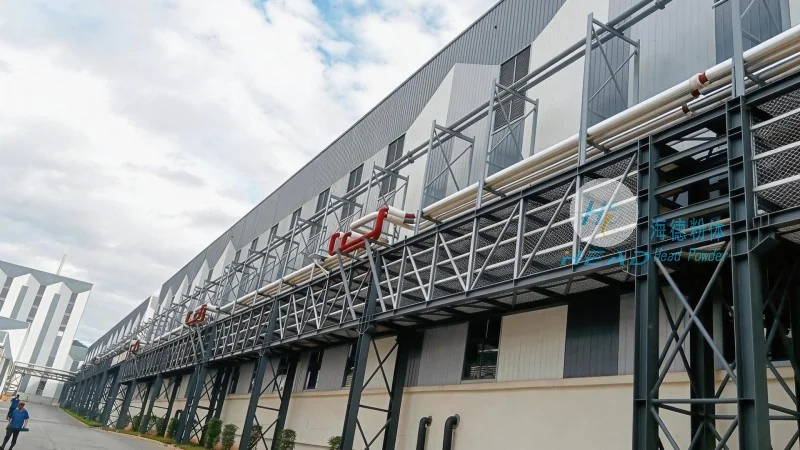
System Classification Based on Material Handling Method
Another classification of chloroprene rubber pneumatic conveying systems is based on the method of material transport. The two main categories are dilute phase and dense phase systems.
1. Dilute Phase Conveying
Dilute phase systems transport chloroprene rubber in a low concentration of material particles suspended in the air stream. This method is suitable for short to medium distances and for materials with low abrasiveness. The air velocity in the pipe is typically high, ensuring material particles remain suspended and do not settle. Dilute phase systems are generally more energy-efficient and have lower capital costs compared to dense phase systems.
2. Dense Phase Conveying
Dense phase systems transport chloroprene rubber in a higher concentration of material particles, with lower air velocity than in dilute phase systems. This method is ideal for handling abrasive materials or for long-distance transport, as it reduces the risk of material degradation and pipe wear. Dense phase systems are more complex and require higher energy input, but they offer better control over material flow and can handle a wider range of material properties.
Conclusion
Understanding the classification and composition of chloroprene rubber pneumatic conveying systems is essential for selecting the appropriate equipment for industrial applications. The choice of system depends on various factors, including material properties, transport distance, and operational requirements. By carefully considering the components and classification of the system, manufacturers can optimize material handling processes, improve efficiency, and ensure the quality of the chloroprene rubber being transported.




