

Classification and Composition of Titanium Dioxide Pneumatic Conveying Systems
Shandong HeadPowder Engineering Co., Ltd., commonly known as HeadPowder, specializes in the design, manufacturing, and installation of advanced pneumatic conveying systems tailored for the handling of titanium dioxide. These systems are critical in industrial processes where efficient, dust-free, and reliable material transport is essential. The company’s expertise lies in understanding the unique properties of titanium dioxide, such as its high density, fine particle size, and potential for static accumulation, and integrating these considerations into system design.
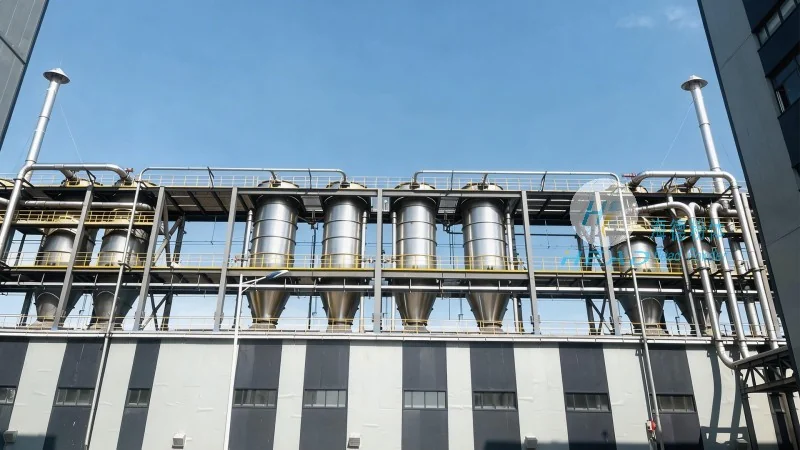
Classification of Pneumatic Conveying Systems for Titanium Dioxide
Titanium dioxide pneumatic conveying systems can be broadly classified based on the conveying principle and operational characteristics. The primary categories include:
- Positive Pressure Systems: These systems use a blower or compressor to generate positive pressure within the pipeline, pushing the material forward. They are suitable for long-distance transport and are commonly used in large-scale industrial applications.
- Negative Pressure (Vacuum) Systems: In these systems, a vacuum is created at the receiving end, drawing the material through the pipeline. They are ideal for applications requiring material to be transported from multiple sources or over shorter distances.
- Combined Systems: A hybrid approach that combines elements of both positive and negative pressure systems. This configuration allows for flexibility in handling varying material loads and operational conditions.
Each classification addresses specific operational needs, with positive pressure systems generally offering higher transport capacity and better control over material flow, while negative pressure systems excel in minimizing dust emissions and handling sensitive materials.
Key Components of Titanium Dioxide Pneumatic Conveying Systems
The composition of a titanium dioxide pneumatic conveying system involves several critical components, each designed to optimize performance and ensure safety. The main components include:
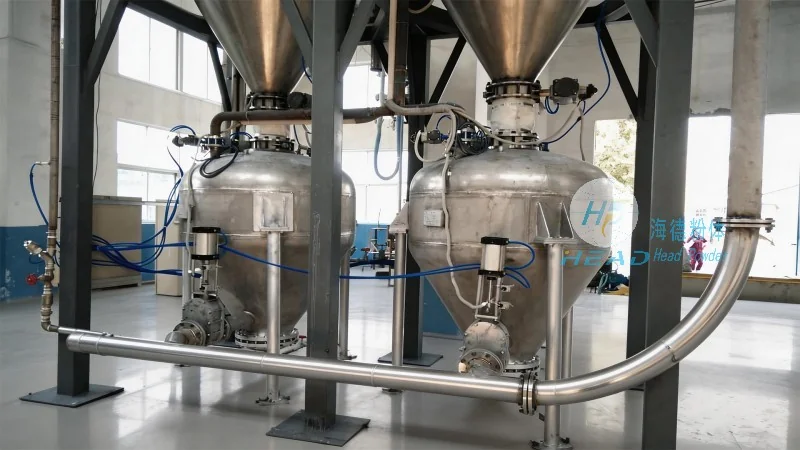
- Feed Hopper and Metering Device: The feed hopper stores the titanium dioxide and feeds it into the system at a controlled rate. The metering device, such as a rotary valve or screw feeder, regulates the flow to maintain consistent material delivery, preventing overloading or underloading of the conveying line.
- Conveying Pipeline: The pipeline is typically made of corrosion-resistant materials like stainless steel or special alloys to withstand the chemical properties of titanium dioxide and prevent material degradation. The design of the pipeline, including bends and elbows, is optimized to minimize pressure drop and ensure smooth material flow.
- Air Handling Unit (Blower or Vacuum Pump): This component generates the necessary airflow to move the material. For positive pressure systems, a high-pressure blower is used, while negative pressure systems employ a vacuum pump. The selection of the air handling unit depends on the system’s capacity, distance, and material characteristics.
- Control System: An advanced control system monitors and regulates the operation of the entire system. It includes sensors for pressure, flow, and level, as well as control panels that allow operators to adjust parameters such as air pressure, material feed rate, and system speed. This ensures optimal performance and prevents equipment damage or material loss.
- Dust Collection and Filtration: To comply with environmental regulations and maintain a clean working environment, the system incorporates dust collection and filtration equipment. This includes cyclones, bag filters, or electrostatic precipitators that capture and remove fine particles from the exhaust air, preventing contamination and ensuring compliance with air quality standards.
Each component is carefully selected and integrated to create a cohesive system that meets the specific requirements of titanium dioxide handling, ensuring efficiency, reliability, and safety.
Application and Performance Considerations
Titanium dioxide pneumatic conveying systems are widely used in various industrial applications, including chemical manufacturing, pigment production, and material processing. The performance of these systems is influenced by several factors, including the particle size distribution of the titanium dioxide, the moisture content, and the system’s operating pressure.
For example, in large-scale pigment production facilities, the system must handle high volumes of fine titanium dioxide particles, often with a high degree of uniformity. The design of the feed hopper and metering device is critical to maintain consistent flow rates, as fluctuations can lead to uneven material distribution in the final product. The conveying pipeline is designed with minimal bends and smooth transitions to reduce pressure drop and prevent particle segregation.
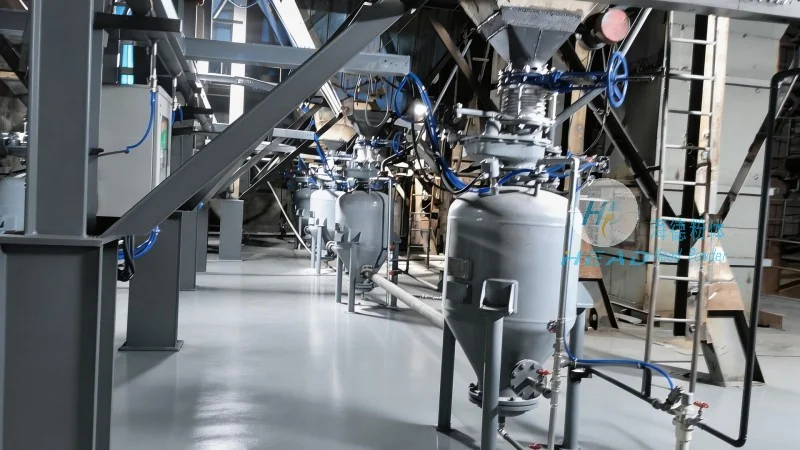
Additionally, the air handling unit must be capable of generating sufficient airflow to transport the material at the desired speed without causing excessive wear on the pipeline or equipment. The control system plays a vital role in maintaining stable operation, as it can automatically adjust the air pressure and material feed rate in response to changes in system conditions or material properties.
The dust collection and filtration system is essential for maintaining air quality and preventing environmental contamination. Titanium dioxide particles are fine and can easily become airborne, posing health risks and violating environmental regulations. The filtration equipment must be efficient in capturing these particles, typically achieving removal efficiencies of 99% or higher, to ensure compliance with local and international standards.
Overall, the performance of a titanium dioxide pneumatic conveying system is a result of careful system design, component selection, and operational management. By addressing the unique challenges of handling titanium dioxide, such as its fine particle size and potential for static accumulation, the system can achieve high efficiency, reliability, and safety in industrial applications.