

Principle and Classification of Calcium Oxide Pneumatic Conveying Applications
HeadPowder, a leading engineering firm based in Shandong, China, specializes in the design and implementation of pneumatic conveying systems for calcium oxide. This article provides an in-depth look at the fundamental principles of calcium oxide pneumatic conveying, along with its various classification and practical applications. By understanding these aspects, industries can optimize material handling processes, enhance operational efficiency, and ensure safe and reliable transport of calcium oxide.
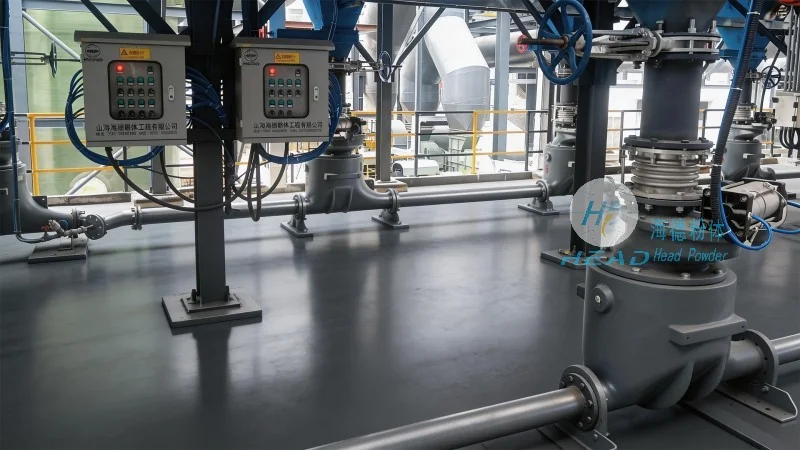
Company Overview: HeadPowder Engineering
HeadPowder Engineering Co., Ltd. is a professional engineering company dedicated to providing comprehensive solutions for material handling and processing. With a strong presence in Shandong, China, the company leverages advanced technology and expertise to develop customized pneumatic conveying systems tailored to the specific needs of clients. Our team of experienced engineers and technicians ensures that each project is executed with precision, adhering to industry standards and safety protocols. The company's commitment to quality and innovation has made it a trusted partner for businesses seeking efficient and reliable material transport solutions.
The Fundamental Principle of Pneumatic Conveying for Calcium Oxide
Pneumatic conveying is a method of transporting bulk materials, such as calcium oxide, through a pipeline using air or other gas as the conveying medium. The process involves creating a pressure differential between the inlet and outlet of the system, which propels the material along the pipeline. For calcium oxide, this method offers several advantages, including the ability to handle fine powders, minimize dust generation, and maintain a controlled environment. The principle relies on the interaction between the material particles and the air flow, ensuring that the material is suspended and transported smoothly. Key components of a pneumatic conveying system for calcium oxide include the hopper, feeder, pipeline, and receiver, each playing a critical role in the overall operation.
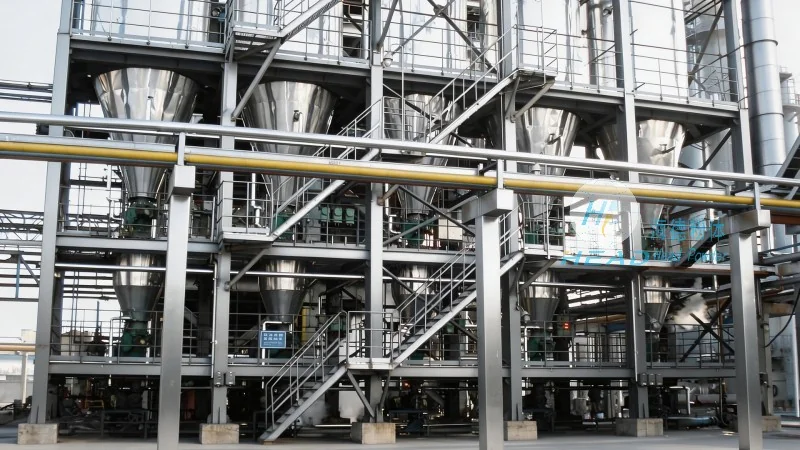
Classification of Pneumatic Conveying Systems for Calcium Oxide
Pneumatic conveying systems for calcium oxide can be classified into several types based on the pressure and flow characteristics. The primary classifications include low-pressure, medium-pressure, and high-pressure systems. Low-pressure systems operate at pressures below 0.5 bar and are suitable for short-distance transport and handling of non-abrasive materials. Medium-pressure systems, operating between 0.5 to 2 bar, are ideal for moderate distances and can handle a wider range of materials, including calcium oxide. High-pressure systems, with pressures exceeding 2 bar, are used for long-distance transport and can handle abrasive or sticky materials. Additionally, systems can be categorized as dilute-phase or dense-phase, depending on the air-to-material ratio. Dilute-phase systems use high air velocities to keep the material suspended, while dense-phase systems use lower velocities to form a dense stream of material and air.
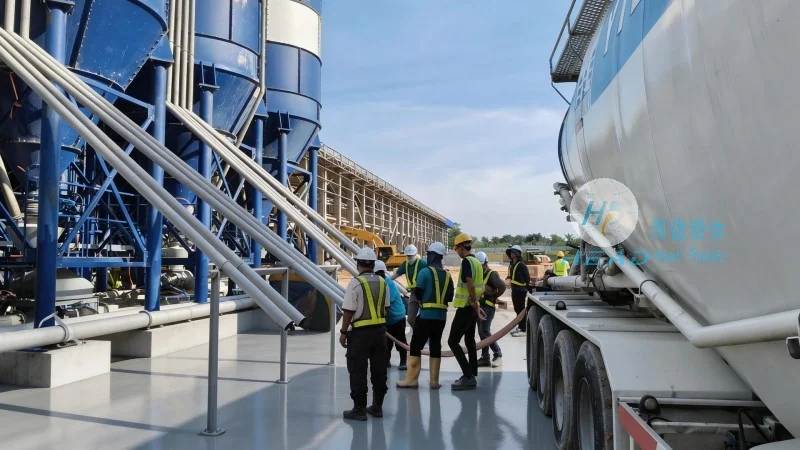
Applications of Calcium Oxide Pneumatic Conveying
The application of pneumatic conveying for calcium oxide spans various industries, including construction, chemical manufacturing, and food processing. In the construction industry, calcium oxide is used as a raw material for cement and concrete production. Pneumatic conveying enables efficient transport of calcium oxide from storage silos to production lines, reducing handling time and improving production throughput. In chemical manufacturing, calcium oxide is utilized in the production of calcium carbonate and other chemical products. The system ensures that the material is delivered to reactors and processing units without contamination or loss. In the food industry, calcium oxide is used as a food additive and supplement. Pneumatic conveying maintains the purity and quality of the material, preventing contamination from external sources. Other applications include pharmaceuticals, where calcium oxide is used in the production of certain medications, and environmental applications, such as in flue gas desulfurization processes.
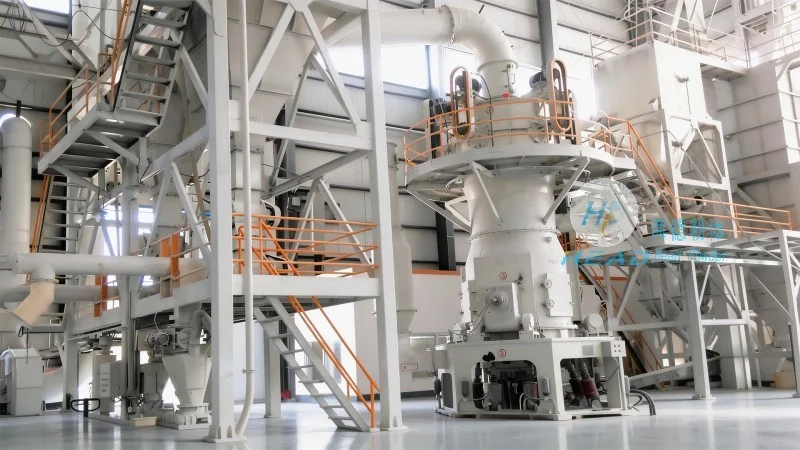
Advantages of Pneumatic Conveying for Calcium Oxide
Compared to traditional material handling methods, such as belt conveyors or bucket elevators, pneumatic conveying offers several advantages for calcium oxide transport. One of the key benefits is the ability to handle fine powders without clogging or blockages. The air flow helps to keep the material suspended, preventing the buildup of material in the pipeline. This reduces the risk of system downtime and maintenance costs. Another advantage is the minimal dust generation. Unlike other methods that may produce significant dust, pneumatic conveying systems are designed to contain and filter the air, ensuring a clean and safe working environment. Additionally, the system allows for flexible and modular design, enabling easy integration with existing production lines. The ability to transport materials over long distances without the need for multiple transfer points also enhances operational efficiency. Furthermore, pneumatic conveying systems are energy-efficient, as they use air as the primary conveying medium, reducing energy consumption compared to mechanical systems.
Considerations for Implementing Calcium Oxide Pneumatic Conveying Systems
When implementing a pneumatic conveying system for calcium oxide, several factors need to be considered to ensure optimal performance and safety. The first consideration is the material characteristics of calcium oxide, including its particle size, density, and flowability. These properties affect the choice of system type and operating parameters. For example, fine calcium oxide particles may require a dense-phase system to prevent segregation and loss. The second consideration is the distance and layout of the transport route. The system design must account for the pipeline length, elevation changes, and any obstacles that may affect the flow. The third consideration is the environmental and safety requirements. The system must be designed to comply with local regulations regarding dust control and air quality. Additionally, the system should include safety features such as pressure relief valves and emergency shut-off mechanisms to prevent accidents. The fourth consideration is the maintenance and operational costs. The choice of components, such as the feeder and pipeline material, should be based on the expected lifespan and maintenance requirements. Regular maintenance, including cleaning and inspection of the pipeline and components, is essential to ensure the system operates efficiently and reliably.