

Working Principle and Classification Applications of Chlorinated Polyethylene Pneumatic Conveying
Chlorinated polyethylene (CPE) is a versatile polymer widely used in various industrial applications due to its excellent chemical resistance, flexibility, and durability. Pneumatic conveying systems that utilize CPE as a material for handling and transporting are critical in many processing industries. This article, presented by Shandong HeadPowder Engineering Co., Ltd. (headpowder), provides an in-depth exploration of the working principle and classification applications of CPE pneumatic conveying systems, focusing on the technical aspects and practical implementations.
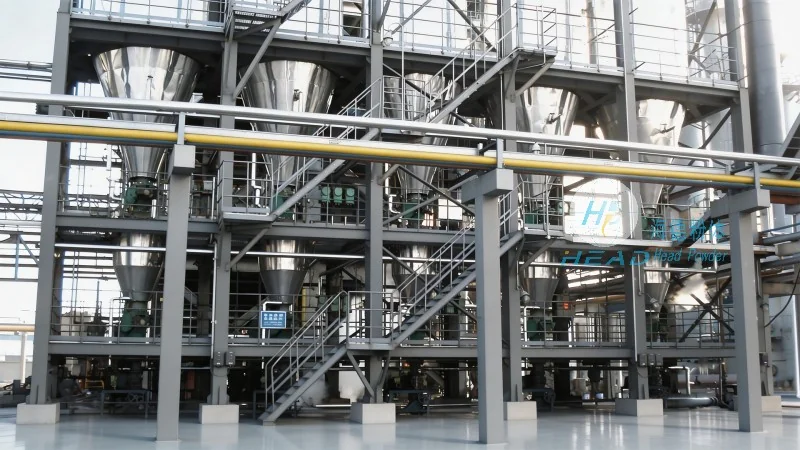
Overview of Chlorinated Polyethylene Pneumatic Conveying
Chlorinated polyethylene pneumatic conveying systems are designed to transport bulk materials, such as powders and granules, using air or other gases as the conveying medium. The system operates by creating a pressure differential between the material feed point and the discharge point, allowing the material to be moved through a pipeline. CPE, as a material handling component, offers superior performance in terms of corrosion resistance and abrasion resistance, making it ideal for handling aggressive or abrasive materials.
Working Principle of CPE Pneumatic Conveying Systems
The fundamental working principle of CPE pneumatic conveying involves the use of a fan or blower to generate airflow within a pipeline. The material to be conveyed is introduced into the system at the feed point, where it is entrained by the air stream. The air and material mixture then travels through the pipeline to the discharge point, where the material is separated from the air and collected. The key components of a CPE pneumatic conveying system include the material feeder, the conveying pipeline, the fan or blower, and the separation equipment. Each component plays a crucial role in ensuring efficient and reliable material transport.
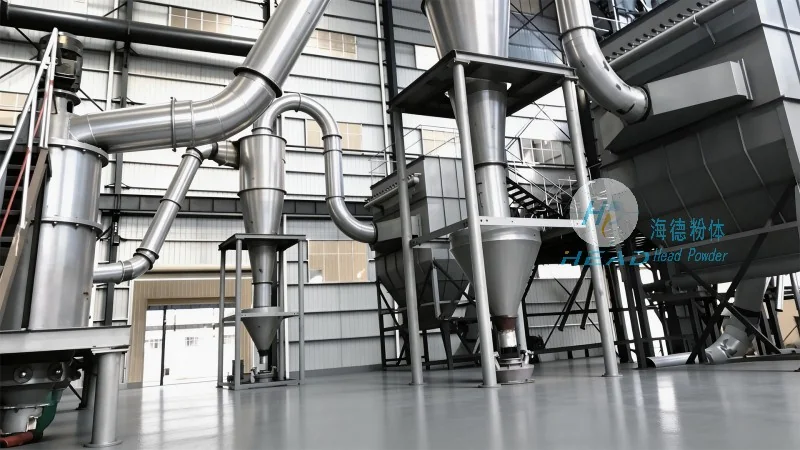
Classification of CPE Pneumatic Conveying Systems
CPE pneumatic conveying systems can be classified into several types based on the conveying method and the pressure differential used. The primary classifications include:
- Positive Pressure Conveying: In this system, the fan or blower operates at a higher pressure than the ambient air, creating a positive pressure within the pipeline. This method is suitable for short to medium distance conveying and is commonly used for handling non-abrasive materials.
- Negative Pressure (Vacuum) Conveying: This system uses a vacuum pump to create a negative pressure within the pipeline, drawing the material from the feed point to the discharge point. It is ideal for long-distance conveying and for handling materials that are sensitive to pressure or temperature changes.
- Pressure-Reduced Conveying: A hybrid approach that combines elements of both positive and negative pressure systems. It uses a combination of a fan and a vacuum pump to achieve efficient material transport over varying distances and material characteristics.
Applications of CPE Pneumatic Conveying in Industrial Settings
The versatility of CPE pneumatic conveying systems makes them applicable across a wide range of industries. Some of the key applications include:
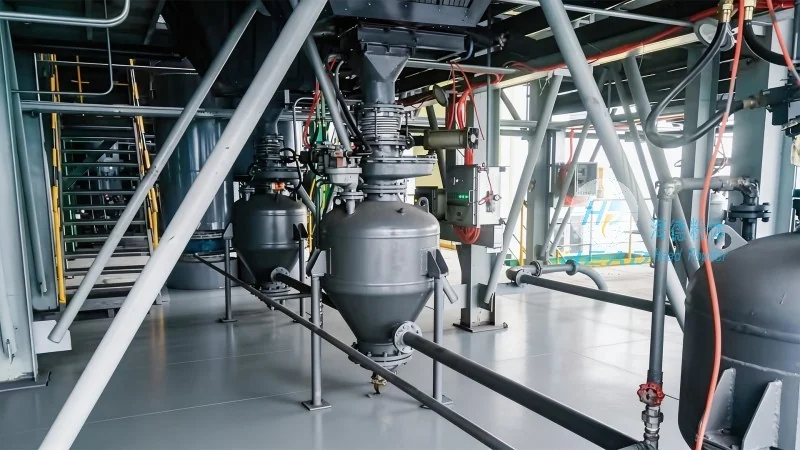
- Pharmaceutical Industry: CPE systems are used for conveying pharmaceutical powders, such as active pharmaceutical ingredients (APIs) and excipients, due to their ability to maintain product purity and prevent contamination.
- Food and Beverage Industry: These systems are employed for handling food-grade powders, including spices, sugar, and dairy products, ensuring that the materials are transported hygienically and without cross-contamination.
- Chemical Industry: CPE pneumatic conveying is used for transporting various chemicals, including corrosive and abrasive materials, thanks to the material's resistance to chemical attack and wear.
- Mineral and Mining Industry: The systems are utilized for conveying raw materials, such as ores and minerals, from processing plants to storage facilities or for further processing.
Advantages of Using CPE in Pneumatic Conveying Systems
Employing chlorinated polyethylene in pneumatic conveying systems offers several advantages over traditional materials. These include:
- Enhanced Chemical Resistance: CPE is highly resistant to a wide range of chemicals, including acids, bases, and solvents, which is crucial for handling aggressive materials.
- Improved Abrasion Resistance: The polymer's structure provides excellent resistance to abrasion, ensuring longer service life for the conveying components.
- Flexibility and Durability: CPE is flexible and durable, allowing it to withstand the stresses of repeated material handling and temperature fluctuations.
- Low Maintenance: Due to its resistance to wear and corrosion, CPE components require less maintenance compared to other materials, reducing operational costs.
Conclusion
Chlorinated polyethylene pneumatic conveying systems represent a reliable and efficient solution for transporting bulk materials in various industrial applications. The working principle, classification, and applications of these systems highlight the importance of selecting the appropriate CPE-based components and system design to meet specific operational requirements. As industries continue to demand higher efficiency and reliability in material handling, CPE pneumatic conveying systems remain a preferred choice due to their robust performance and adaptability.