

Preventing Pipe Blockages in Brown Sugar Conveying with Pneumatic Conveying Systems: Key Design Para
When it comes to transporting brown sugar, the efficiency and reliability of the conveying system are critical factors that directly impact production output and operational costs. Pneumatic conveying systems have emerged as a preferred solution for many industries due to their ability to handle bulk materials like brown sugar with minimal maintenance and high throughput. However, a common challenge in such systems is the risk of pipe blockages, which can lead to downtime, material loss, and increased repair costs. To mitigate these risks, understanding and implementing the right design parameters is essential. This article explores how pneumatic conveying systems can be optimized to prevent pipe blockages during brown sugar transport and highlights the key design parameters that contribute to their effectiveness.
Understanding Pneumatic Conveying Systems for Brown Sugar
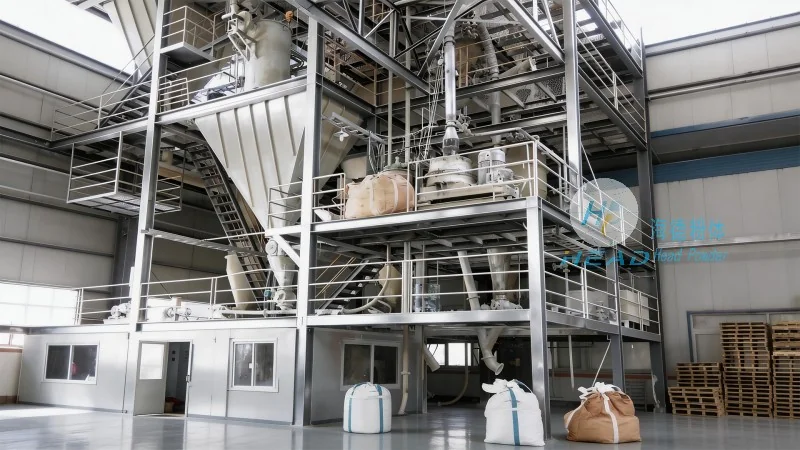
Pneumatic conveying systems use air or other gases to transport bulk materials through a pipeline. In the context of brown sugar, these systems are particularly effective because they can handle the sticky and granular nature of the material without the need for mechanical components that might get clogged. The core of a pneumatic conveying system consists of a hopper for material storage, a blower or compressor to generate airflow, a pipeline network, and a discharge point. The system works by creating a pressure differential that propels the brown sugar particles through the pipeline. However, the design of each component plays a crucial role in preventing blockages and ensuring smooth operation.
Key Design Parameters for Preventing Pipe Blockages
Several design parameters must be carefully considered when designing a pneumatic conveying system for brown sugar to minimize the risk of pipe blockages. These parameters are interrelated and must be optimized based on the specific characteristics of the brown sugar and the operational requirements of the facility.
1. Airflow Velocity and Pressure
The velocity of the air or gas in the pipeline is a primary factor in preventing blockages. Insufficient airflow velocity can cause the brown sugar particles to settle and accumulate on the pipe walls, leading to blockages. Conversely, excessive velocity may cause wear and tear on the system components and increase energy consumption. The optimal airflow velocity for brown sugar typically ranges between 20 to 30 meters per second, depending on the particle size and density. Maintaining this velocity ensures that the particles remain suspended and move smoothly through the pipeline. The pressure generated by the blower or compressor must also be sufficient to overcome the resistance in the pipeline and maintain the required velocity. Underpressure systems, where the pipeline is maintained at a slight vacuum, are often preferred for brown sugar as they can create a more uniform flow and reduce the risk of material buildup.
2. Pipeline Diameter and Material
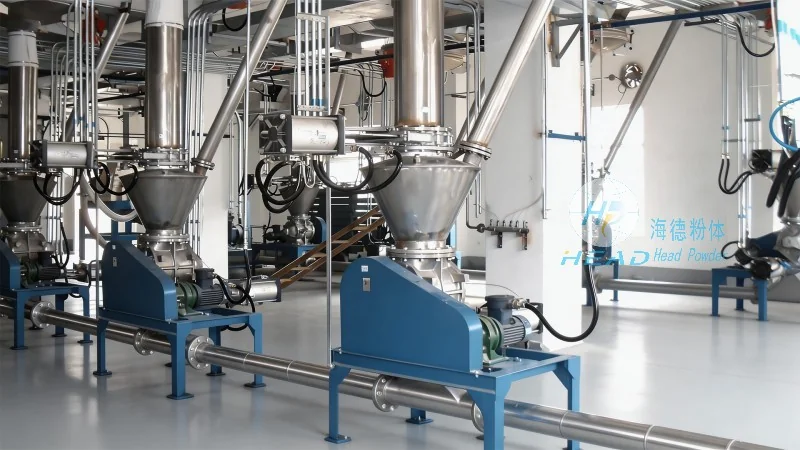
The diameter of the pipeline is another critical design parameter. A larger diameter reduces the frictional resistance, allowing for lower air velocity to maintain the same flow rate, which in turn minimizes the risk of blockages. However, a larger diameter also increases the cost of the system and may require more space. The choice of pipeline material is equally important. Materials such as stainless steel or PVC are commonly used due to their resistance to corrosion and abrasion from the brown sugar particles. Stainless steel is preferred for its durability and ability to handle the acidic nature of some brown sugar products, while PVC is more cost-effective for less aggressive environments. The smoothness of the internal surface of the pipeline is also crucial; any roughness or irregularities can cause the brown sugar to stick and form blockages.
3. Material Characteristics and Feed Rate
The physical properties of the brown sugar, such as particle size, moisture content, and density, significantly impact the design of the pneumatic conveying system. Coarser particles may require higher airflow velocities to remain suspended, while finer particles can settle more easily and cause blockages if the velocity is too low. The moisture content of the brown sugar is also a key factor. Higher moisture content can make the material stickier, increasing the likelihood of blockages. Therefore, it is essential to consider the moisture content when determining the appropriate airflow velocity and pressure. The feed rate of the brown sugar into the system must be controlled to match the system's capacity. Overloading the system by feeding too much material at once can lead to surges that cause the material to accumulate and block the pipeline. A consistent feed rate, often achieved through a hopper with a controlled discharge mechanism, helps maintain a steady flow and prevent blockages.
4. Gas-Solid Ratio and Blower Selection
The gas-solid ratio, which is the ratio of the volume of air to the volume of material being conveyed, is a critical parameter that affects the system's performance. An optimal gas-solid ratio ensures that the brown sugar particles are fully suspended and transported efficiently. Too low a ratio can result in insufficient air to lift the material, leading to blockages, while too high a ratio increases energy consumption and may cause the material to be carried too far, resulting in uneven distribution. The selection of the blower or compressor is closely related to the gas-solid ratio. Centrifugal blowers are commonly used for pneumatic conveying systems due to their ability to handle large volumes of air at relatively low pressure. However, for systems requiring higher pressure, positive displacement blowers may be more suitable. The blower must be sized appropriately to provide the necessary airflow and pressure while operating efficiently. Regular maintenance of the blower, such as cleaning the filters and checking for wear, is essential to ensure consistent performance and prevent issues that could lead to blockages.
5. System Layout and Bends
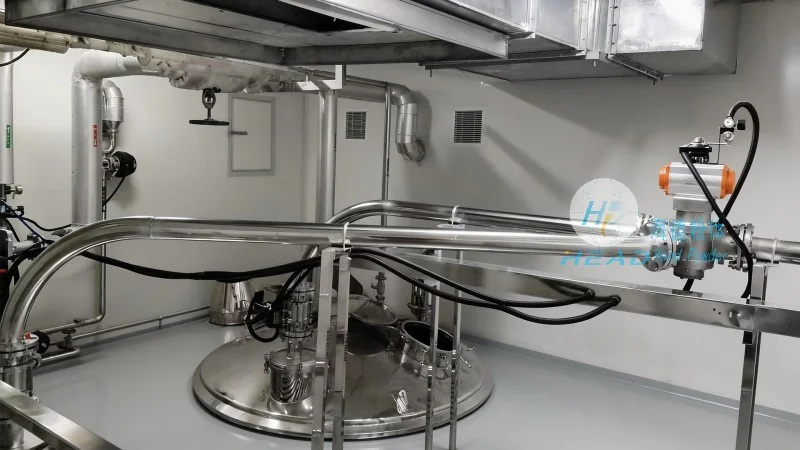
The layout of the pneumatic conveying system, including the number and angle of bends, can significantly impact the risk of blockages. Sharp bends or elbows can cause the brown sugar particles to impact the pipe walls, leading to material buildup and blockages. To minimize this risk, the system should be designed with smooth, gradual bends. The use of curved or spiral bends can help maintain the flow and reduce the impact on the material. Additionally, the system should be designed to minimize the number of bends and vertical drops, as these can increase the risk of material settling. Properly sized and positioned air inlets and outlets can also help maintain a uniform flow and prevent blockages at the discharge point.
6. Cleaning and Maintenance Procedures
Even with optimal design, regular cleaning and maintenance are necessary to prevent long-term blockages and ensure the longevity of the system. A regular cleaning schedule should be established to remove any accumulated material from the pipeline and components. This can be done using air blasts, mechanical scrapers, or other cleaning tools. The frequency of cleaning depends on the system's usage and the characteristics of the brown sugar being conveyed. Regular inspections of the pipeline and components for signs of wear or damage are also important. Any issues identified during inspections should be addressed promptly to prevent further damage or blockages. Proper maintenance of the blower and other components, such as checking for leaks and ensuring proper lubrication, helps maintain the system's performance and reduces the risk of unexpected failures.
Conclusion
Preventing pipe blockages in pneumatic conveying systems used for brown sugar transport requires a comprehensive approach that considers multiple design parameters. By optimizing airflow velocity and pressure, selecting appropriate pipeline diameter and material, accounting for material characteristics and feed rate, maintaining an optimal gas-solid ratio, designing the system layout with smooth bends, and implementing regular cleaning and maintenance procedures, the risk of blockages can be significantly reduced. These measures not only improve the efficiency and reliability of the conveying system but also contribute to lower operational costs and increased productivity. For businesses looking to implement or upgrade their brown sugar conveying systems, working with experienced engineering companies like Shandong HeadPowder Engineering Co., Ltd., based in Shandong, China, can provide the expertise needed to design and install a system that meets these critical requirements. With the right design and maintenance, pneumatic conveying systems can effectively transport brown sugar while minimizing the risk of blockages and ensuring smooth operations.