

How to Prevent Pipeline Blockages in Pneumatic Conveying Systems for Straw Ash Transport? Key Design
Straw ash, a byproduct of agricultural biomass combustion, presents unique challenges when transported via pneumatic conveying systems. The high moisture content and abrasive nature of straw ash can lead to significant pipeline blockages if the system is not properly designed and maintained. For industrial facilities in China, particularly those located in Shandong province, selecting the right pneumatic conveying system is crucial to ensure efficient and uninterrupted transport of this material. This article explores effective strategies to prevent pipeline blockages in such systems and highlights the critical design parameters that must be considered.
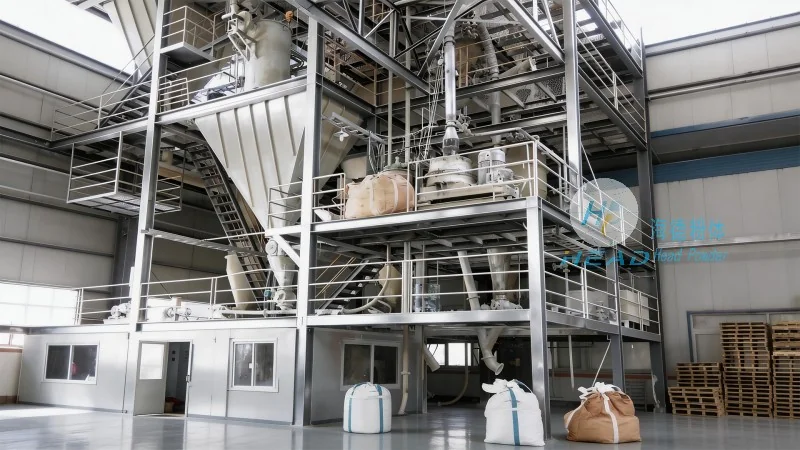
Understanding the Challenges of Straw Ash Transport
Straw ash, derived from the combustion of straw or other agricultural residues, often contains fine particles with high moisture levels and varying sizes. These characteristics make it prone to agglomeration and clogging within the conveying pipeline. Traditional pneumatic conveying systems may struggle with these properties, leading to reduced efficiency and increased maintenance costs. The key to successful straw ash transport lies in understanding the material's physical and chemical properties and tailoring the conveying system accordingly.
Key Design Parameters for Preventing Pipeline Blockages
Several critical design parameters must be optimized to prevent pipeline blockages in pneumatic conveying systems for straw ash. The first parameter is the system pressure, which directly influences the velocity of the material flow. Higher pressure can increase the conveying velocity, reducing the likelihood of particle settlement and blockage. However, excessive pressure may cause wear and tear on the system components, necessitating a balanced approach. The recommended pressure range for straw ash transport typically falls between 0.5 to 1.5 bar, depending on the material's density and particle size distribution.
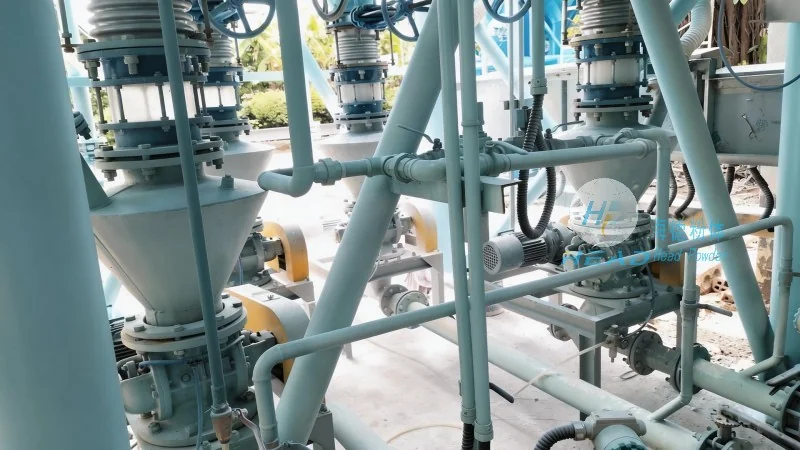
The second important parameter is the pipeline diameter. A larger diameter reduces the velocity of the material, which can help in preventing excessive friction and wear. Conversely, a smaller diameter increases the velocity, potentially leading to higher pressure requirements and increased risk of blockage. For straw ash, a pipeline diameter of at least 100 mm is generally recommended to maintain a smooth flow and minimize the risk of clogging. The choice of diameter should also consider the system's capacity and the distance over which the material needs to be conveyed.
The third parameter is the conveying velocity. The velocity of the material relative to the air flow is a critical factor in preventing blockages. A velocity that is too low may cause the material to settle and form a plug, while a velocity that is too high can lead to excessive wear on the pipeline and components. The optimal conveying velocity for straw ash is typically between 20 to 30 m/s, ensuring that the material remains suspended and flows smoothly through the system. This velocity can be adjusted by modifying the system pressure or the air flow rate.
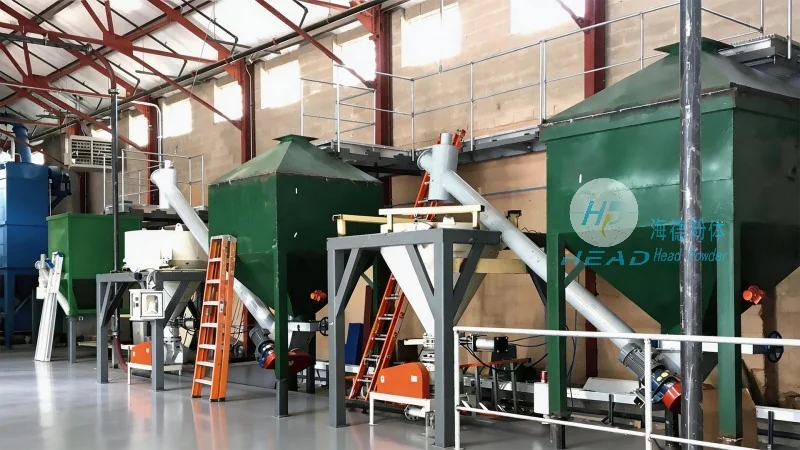
The fourth parameter is the air-to-material ratio. This ratio determines the amount of air used relative to the material being conveyed. A higher air-to-material ratio increases the conveying velocity and reduces the risk of blockage, but it also increases energy consumption. Conversely, a lower ratio may lead to lower efficiency and higher blockage risk. For straw ash, an air-to-material ratio of 5 to 8 is commonly used, providing a balance between efficiency and energy usage.
Role of Material Handling Equipment in Preventing Blockages
In addition to the design parameters, the selection of appropriate material handling equipment plays a vital role in preventing pipeline blockages. Components such as rotary valves, airlocks, and cyclones must be chosen based on the material's properties. For example, rotary valves with a larger opening and higher speed can help in preventing material buildup at the inlet. Airlocks should be designed to handle the abrasive nature of straw ash, with materials like stainless steel or high-grade alloys used for construction. Cyclones, used for separation, should have a high efficiency in separating the ash from the air, reducing the risk of clogging in downstream equipment.
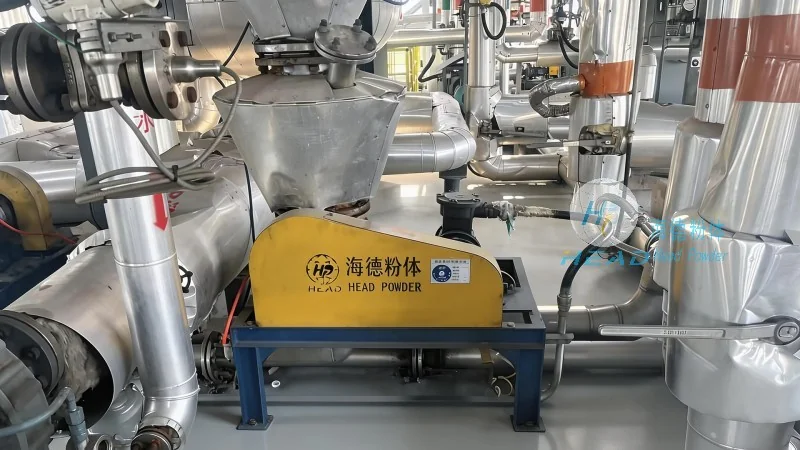
System Maintenance and Monitoring for Continuous Operation
Even with optimal design, regular maintenance and monitoring are essential to prevent pipeline blockages and ensure the long-term performance of the pneumatic conveying system. Regular cleaning of the pipeline and components, especially after periods of low activity or changes in material composition, can help in removing any accumulated material. Monitoring the system's pressure, flow rate, and temperature can provide early warnings of potential blockages or other issues. Additionally, using sensors and automation systems can help in detecting and addressing problems in real-time, minimizing downtime and ensuring continuous operation.
Conclusion
Preventing pipeline blockages in pneumatic conveying systems for straw ash transport requires a comprehensive approach that considers the material's properties, system design parameters, and appropriate equipment selection. By optimizing parameters such as system pressure, pipeline diameter, conveying velocity, and air-to-material ratio, and by implementing regular maintenance and monitoring, industrial facilities can ensure efficient and reliable transport of straw ash. For companies in Shandong, China, working with experienced engineering firms like Shandong HeadPowder Engineering Co., Ltd. can provide the expertise needed to design and implement effective pneumatic conveying systems tailored to their specific needs.