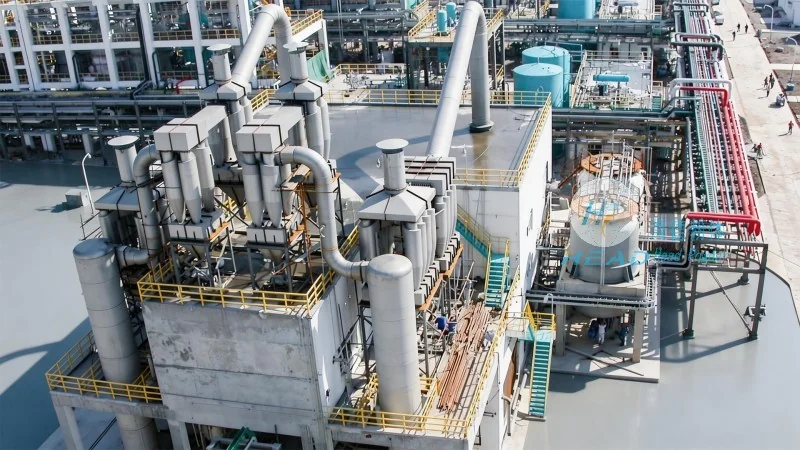
When it comes to transporting PVC pellets, pneumatic conveying systems offer an efficient and reliable solution. However, a common challenge in such operations is the risk of pipe blockages, which can halt production and lead to costly downtime. Understanding and implementing the right design parameters are crucial to prevent these issues and ensure smooth operation. This article explores how to mitigate pipe blockages in PVC pellet conveying and highlights the key design factors that contribute to a stable and efficient pneumatic conveying system.
Understanding the Risks of Pipe Blockages in PVC Pellet Conveying
PVC pellets, with their irregular shapes and varying sizes, can pose unique challenges during transport. When air and pellets move through a pipeline, the interaction between the two can lead to agglomeration or the formation of solid plugs if the system is not properly designed. These blockages not only disrupt the flow but also increase the risk of equipment damage and require extensive cleaning or repair. Therefore, it is essential to address the root causes of blockages by focusing on critical design elements.
Key Design Parameters for Preventing Pipe Blockages
Several key parameters must be carefully considered when designing a pneumatic conveying system for PVC pellets to minimize the risk of blockages. These parameters include system pressure, air-to-solid ratio (A/S ratio), pipeline diameter, and material properties of the PVC pellets.
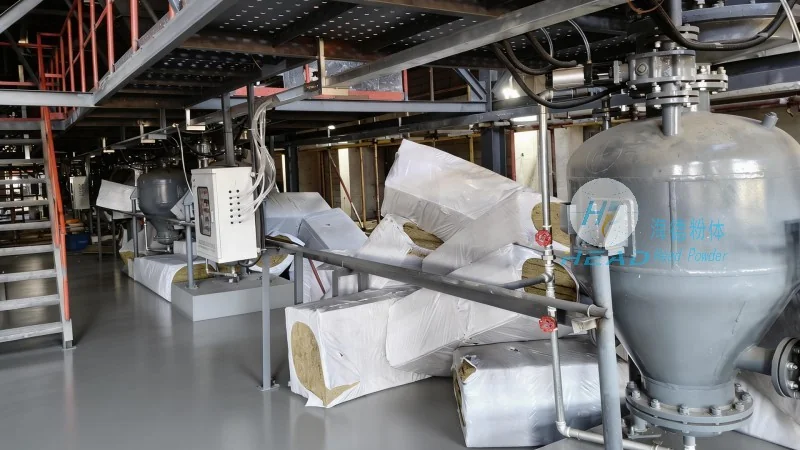
Firstly, system pressure plays a vital role in maintaining the flow of pellets through the pipeline. Higher pressure can help overcome the resistance caused by pellet friction and ensure that the material moves smoothly. However, excessive pressure may lead to other issues such as increased energy consumption or equipment wear. The optimal pressure level depends on the specific characteristics of the PVC pellets and the length of the conveying line.
Secondly, the air-to-solid ratio (A/S ratio) is a critical factor that determines the conveying velocity and the likelihood of blockages. An appropriate A/S ratio ensures that the pellets are adequately suspended by the air stream, preventing them from settling and forming a solid mass. For PVC pellets, a typical A/S ratio ranges from 0.5 to 1.5, depending on the particle size and density. Maintaining this ratio consistently is essential to avoid fluctuations that could lead to blockages.
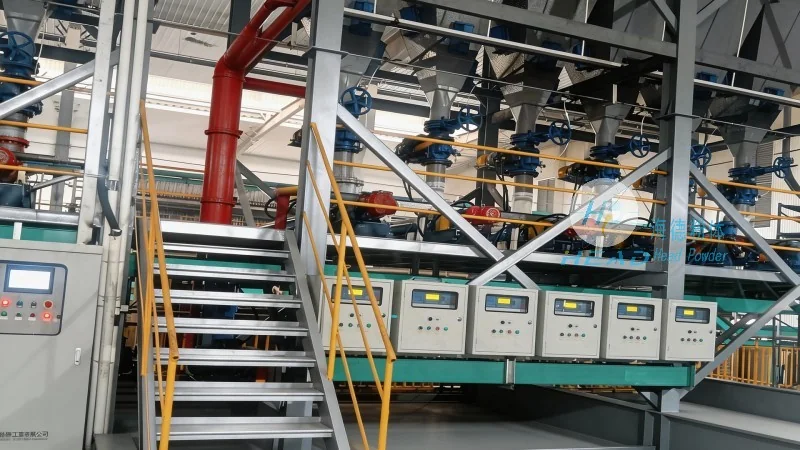
Thirdly, the diameter of the conveying pipeline is another important design parameter. Smaller diameter pipes increase the risk of blockages as the pellets have less space to move and are more likely to come into contact with the pipe walls, leading to friction and agglomeration. Conversely, larger diameters may require higher air volumes and energy consumption. The optimal diameter is determined by balancing the conveying capacity with the risk of blockage, typically ranging from 50 mm to 200 mm for PVC pellet applications.
Fourthly, the physical properties of the PVC pellets, such as their density, moisture content, and shape, directly impact the conveying performance. Pellets with higher moisture content may stick together, increasing the risk of blockages. Similarly, irregularly shaped pellets may cause more friction and turbulence in the pipeline. Therefore, it is important to consider these material characteristics when selecting the appropriate conveying system and design parameters.
The Role of HeadPowder Engineering in PVC Pellet Conveying Solutions
Shandong HeadPowder Engineering Co., Ltd., a leading provider of pneumatic conveying solutions, specializes in designing and manufacturing systems tailored to the unique needs of PVC pellet transport. With years of experience in the industry, HeadPowder understands the challenges associated with PVC pellet conveying and has developed advanced solutions to prevent pipe blockages. The company’s expertise lies in optimizing system parameters, such as pressure and A/S ratio, to ensure efficient and reliable operation. By leveraging their knowledge of material properties and conveying principles, HeadPowder provides customized solutions that meet the specific requirements of each client.
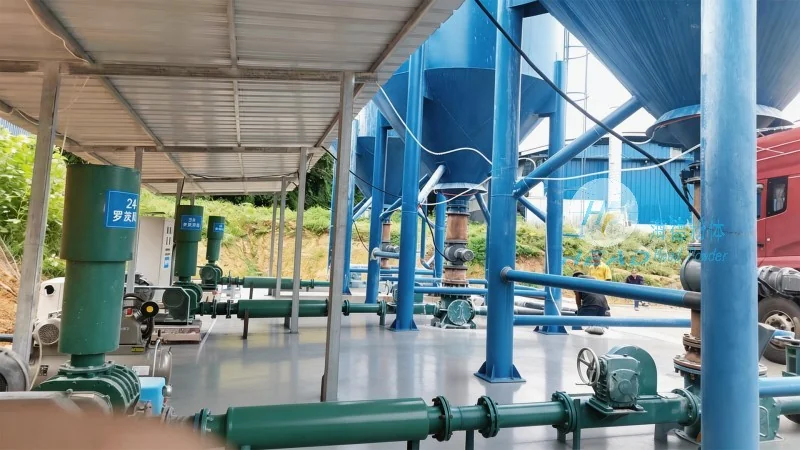
HeadPowder’s approach to PVC pellet conveying involves a comprehensive analysis of the material characteristics, conveying distance, and operational conditions. This analysis helps in determining the most suitable system configuration, including the type of pneumatic conveying system (e.g., dilute-phase or dense-phase), the appropriate pipeline diameter, and the required air pressure. The company’s engineers work closely with clients to address any potential issues and ensure that the final system is designed to minimize the risk of blockages while maximizing efficiency.
Furthermore, HeadPowder offers ongoing support and maintenance services to ensure that the pneumatic conveying system continues to operate optimally over time. Regular inspections and adjustments help in identifying and resolving any potential issues before they lead to blockages or system failures. This proactive approach not only reduces downtime but also extends the lifespan of the equipment, providing long-term value to the clients.




