

HeadPowder Flour Pneumatic Conveying System: The Efficiency Engine for Flour Handling
Efficiency in flour handling is paramount for businesses in the food processing and manufacturing sectors. The HeadPowder Flour Pneumatic Conveying System emerges as a cutting-edge solution designed to optimize the movement of wheat flour and other fine powders with precision and reliability. This system represents a significant advancement in material handling technology, offering a seamless and efficient approach to transporting flour from storage to processing areas.
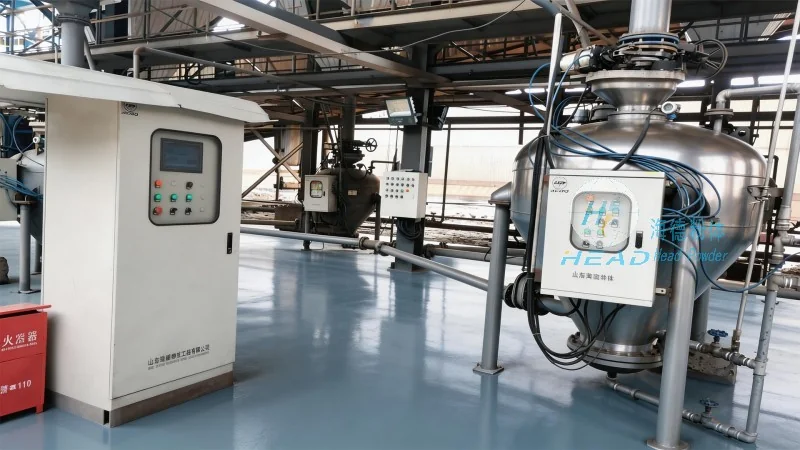
Introducing the HeadPowder Flour Pneumatic Conveying System
Developed by Shandong HeadPowder Engineering Co., Ltd., a leading manufacturer based in Shandong, China, the HeadPowder Flour Pneumatic Conveying System is engineered to meet the demanding requirements of modern flour processing facilities. The system leverages pneumatic conveying principles, utilizing air pressure to transport flour in a closed, controlled environment, ensuring minimal product loss, contamination, and degradation. This approach not only enhances operational efficiency but also maintains the quality and integrity of the flour throughout the conveying process.
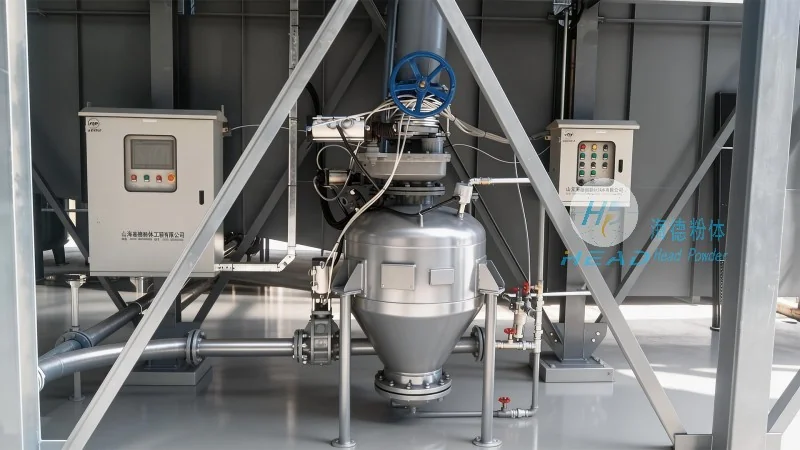
Key Features and Advantages
The HeadPowder system incorporates several key features that set it apart in the market. Firstly, it offers a flexible and scalable design, allowing it to be customized to suit various production capacities and layout configurations. The system utilizes high-efficiency air movers and specialized conveying lines that minimize energy consumption while maximizing throughput. Additionally, the closed-loop design ensures that flour is contained within the system, reducing dust emissions and improving workplace safety. The system also includes advanced control mechanisms that allow for real-time monitoring and adjustment of conveying parameters, ensuring optimal performance under varying operational conditions.
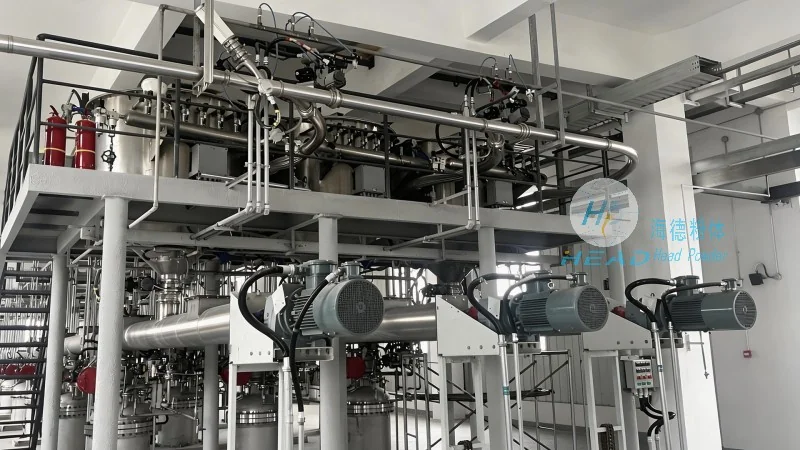
Enhancing Product Quality and Safety
One of the most significant advantages of the HeadPowder Flour Pneumatic Conveying System is its ability to preserve the quality of the flour. By maintaining a controlled environment and minimizing exposure to air and contaminants, the system helps prevent caking, clumping, and moisture absorption, which are common issues in traditional flour handling methods. This preservation of quality is crucial for maintaining the final product's texture, flavor, and nutritional value in end-use applications. Furthermore, the system's design adheres to stringent hygiene standards, making it suitable for use in food-grade processing environments where product safety is non-negotiable.
Customization and Scalability for Diverse Applications
Shandong HeadPowder Engineering Co., Ltd. understands that each flour processing facility has unique operational needs. Therefore, the HeadPowder system is designed with customization in mind. The company offers tailored solutions that can integrate seamlessly with existing production lines or serve as a standalone conveying system. Whether for small-scale bakeries or large industrial flour mills, the system can be scaled to handle varying volumes of flour, from a few tons per hour to several hundred tons per hour. This flexibility ensures that businesses can invest in a system that precisely matches their current and future production requirements, avoiding unnecessary overcapacity or underperformance.
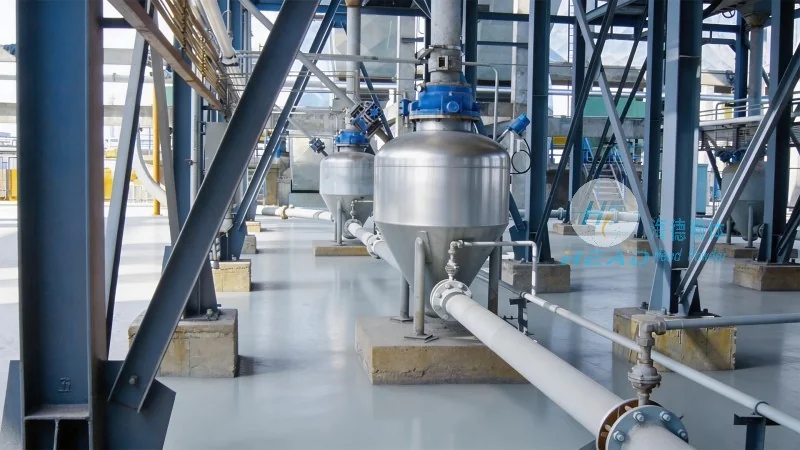
Reliability and Maintenance Considerations
Reliability is a cornerstone of the HeadPowder Flour Pneumatic Conveying System. The system is built with durable components that are resistant to wear and tear, ensuring long-term operational stability. Regular maintenance is straightforward, with easy access to key parts such as air filters, conveying lines, and control panels. The company provides comprehensive maintenance services and spare parts support to minimize downtime and ensure consistent performance. By investing in a system from Shandong HeadPowder Engineering Co., Ltd., businesses can expect a reliable partner that delivers consistent results and reduces long-term operational costs.